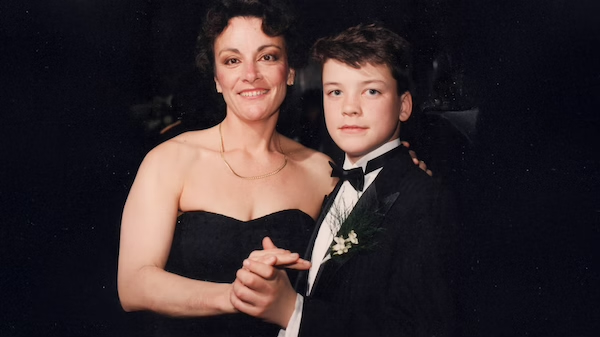
When I called my mother one afternoon from Sing Sing, she told me that her aide, a woman I’ll call Rosa, had pulled a mortgage scam and put her name on the deed to Mom’s Fort Lauderdale condo.
Mom also claimed that Rosa was poisoning her.
If she died, Mom made me promise, I must demand an autopsy.
“Ma, please, stop,” I said.
“Listen to me, I’m not crazy,” she said. “Don’t you betray me and take her side, John . . .”
I put the handset down for a moment and raised my palm to my forehead, mad that I was here and not there with her, saddened that these calls were only getting worse.
I’ve been locked up in New York prisons for almost 25 years, and for the same amount of time, Mom’s been in her own prison, suffering from Parkinson’s, a degenerative brain disease that affects the central nervous system. Different versions of the above scene—me calling Mom from a phone on the cellblock tier, the din of PA announcements and asylum-like yelling in the background; Mom telling me about her nightmares as her shaky thumb bounces off the receiver, tap, tap, tap—have played on a loop for years.
Rosa was my mother’s newest aide. When I spoke to Rosa, she sounded nice enough. Still, Mom’s claims about the mortgage scam got me paranoid. I’d seen commercials warning about them on TV, even talked to fraudsters in here who told me Mom was the perfect mark. So I called my older brother, J, and told him my concerns. He typed Mom’s condo address into the Broward County lookup to see whose name was currently on the deed. Any changes? No, J said, Mom’s name was still there. (My brother is a private man who has been asking that I use only his first-name initial in my writing.)
Mom’s delusions have worsened over the years. To relieve the tremors and the rigidity that freezes their mouths and curls their hands into claws, Parkinson’s patients take L-dopa, a medication that increases dopamine. As her disease has progressed, Mom’s had to up the dose to keep it working. But too much dopamine causes psychosis; to unlock her body, she must take meds that create a living nightmare of daily delusions and hallucinations. She feels like schizophrenics do when they don’t take their meds. Or she probably feels liked I used to, up for days in a hotel with a hooker, gun in hand, peeking out the window from behind the curtain, because all the blow I’d sniffed was flooding my brain with dopamine.
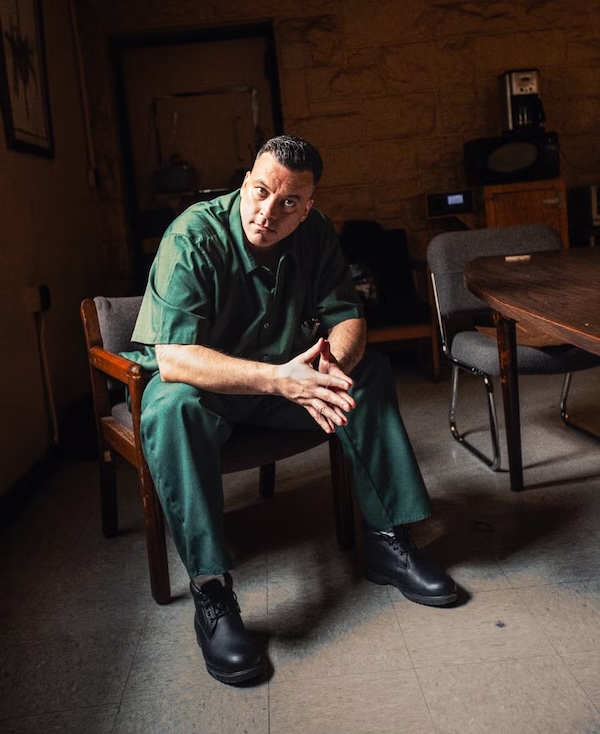
I’m in prison, but I’m Mom’s main caregiver. As the country’s incarcerated population grows older and more prisoners reach middle age inside, many of us will be faced with caring for elderly parents while behind bars. Over the years, I’ve discussed my mother’s care with family members, Mom’s doctors, nurses, neighbours, and aides. I’ve sweet-talked them, pleaded with them, grilled them, threatened them, apologised to them—all from the lonely end of a cellblock landline. I’ve asked, and sometimes paid, ex-wives and girlfriends and friends to fly down to Florida and check on her.
As her Parkinson’s has progressed, Mom has fallen, broken bones, stopped walking, started mumbling her words. Windows of clarity have shrunk, and now when I call her, she often drifts into talk of the hundreds of skinned cats that swarm her bed; the Puerto Rican man who she claims bolted out from her closet; the aides who rob her, beat her. Sometimes she even gets me paranoid. “You better watch your back in that prison,” she recently told me. “I’m hearing things.”
None of this is true, but it feels true for Mom. And sometimes it does for me, too. She’s 80 years old now, a time of life you’d hope would bring peace and rest, and yet she lives in constant fear. I hear her fear, feel her fear. We’re that close, Mom and me—we can’t help but partake in each other’s pain. My mother had my back when I was at my lowest, and now she was begging me to believe her and help her at her lowest. But I couldn’t. Can’t. And it kills me.
In February 2002, when the body of the man I murdered washed up on a Brooklyn beach, I called my mom and told her to come see me. I was locked up on Rikers, New York City’s island of jails where people await the resolution of their criminal cases. I had a few—one for selling drugs, one for packing a gun, and another for driving drunk—and had taken plea deals for all three. At that point, I was waiting to be bused upstate to serve a few years in prison. I was 24, an arch criminal. Back then, Mom was a real estate broker, but she had always been street smart.
When Mom visited, we sat in a packed room that could’ve been mistaken for a cafeteria if half of us weren’t wearing grey jumpsuits. She looked at me with concern and disgust. Before I started talking, Mom placed her index finger over her lips. She had an instinct for secrecy. She waved me forward, and I leaned over the table and whispered in her ear that I would probably be indicted for the body on the beach.
Watch who I talked to in here, she told me, and watch what I said over the phone. She also told me something I needed to hear in that moment. Everything would be okay.
I went silent on my end on A-gallery tier, prisoners passing. “Are you crying?” she asked. “Yeah.” “I know it’s hard to cry in front of those men, but you can let me hear you.”
Then my mother hired Albert Brackley, a red-faced and white-haired legend among New York City murder-trial lawyers. The first time I met him, while prepping for trial, Brackley told me, “Most guys I defend don’t have their mothers paying me.” That brought me down to size.
The man I killed grew up in the same housing project as me, in Sheepshead Bay, Brooklyn. He was a momma’s boy, like me. (I’ll call him E, because his family requested I not use his name in my writing.) Like me, E ran the streets. I sold heroin, and E robbed one of my drug dealers. I convinced myself that I had to kill him to burnish my rep. For many years, I’ve written about why I did it. It was fear, the fear of being found out, of not being tough enough. To take another person’s life, you can’t be too invested in your own. I realise that only now, much later.
By 2003, I was on trial in Brooklyn for E’s murder. His mother was in the courtroom gallery with the rest of his family, seated behind the prosecution’s table. Mom and my aunt Mary Ann, my mother’s sister, sat behind Brackley and me.
During the trial, while I was sitting in an ill-fitting suit feigning innocence, the prosecutor showed a photo of E’s body to the jury. His mother let out a long, deep wail. The sound made me shrink in my seat. It was the first time I felt remorse. During recess, in the courtroom hallway one day, Mom told me, she locked eyes with E's mother. Mom hugged her. Both mothers cried.
Is a mother’s love truly unconditional? What if her kid kills someone? Many who wind up in the position I put Mom in, I imagine, convince themselves that their kid didn’t do it: The detectives had tunnel vision, the system is rigged. Who wants to admit their kid’s a killer, or account for being the mother of a murderer? Mom wasn’t so righteous about it all. She knew I did it, but she decided that she wasn’t going to let them put me away for life without a fight.
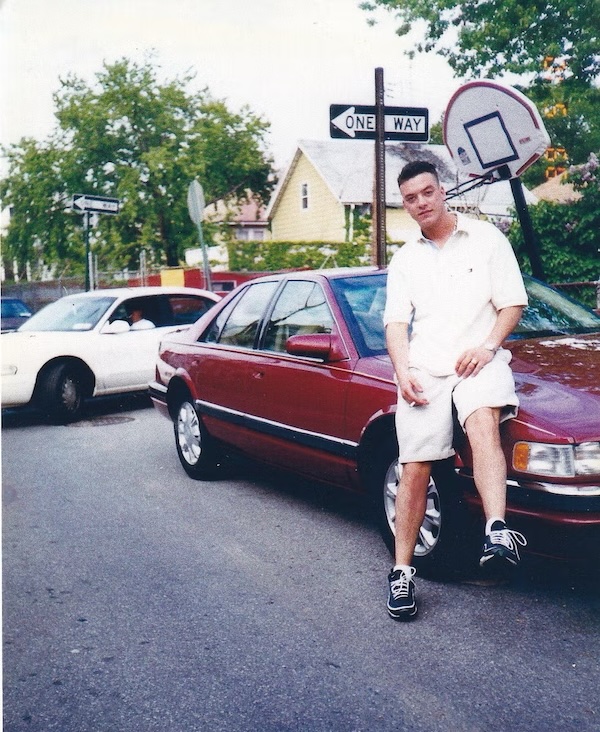
Mom felt guilty, too, felt she could have been a better mother. She whipped back and forth from anger—“I tried my best with you, but you were dying to be with the lowlifes!”—to self-pity—“I know I wasn’t the best mother, but plenty of people had worse mothers than me and didn’t do what you did!” Both things were true. And she would second-guess her decisions. Maybe she should never have told me about my father’s suicide; maybe she should never have moved us to Hell’s Kitchen.
My first trial resulted in a hung jury. At the retrial, in 2004, the jury found me guilty of second-degree murder. At sentencing, Brackley didn’t say much. Neither did I. The judge served me with the max: 25 years to life on top of the three years I was already serving, 28 to life in total. Mom spent more than USD100,000 on my trial defence. When I later asked why she helped me try to beat the rap, she said, “Because you’re my son.”
My prison journal entries over the years document moments of Mom’s decline as well as moments of my shame for not being there. In 2018, I wrote:
Mom hasn’t cried in years, but she did on the phone with me today. She told me she wet herself leaving the doctor’s office. Urine streamed out of her pant leg.
“This nice man, he helped me to my car,” Mom said. “I felt embarrassed. It gets hard.”
Then she started to cry. I went silent on my end, shrinking in the phone booth on A-gallery tier, prisoners passing. She asked if I was still on the line.
“Yeah,” I said.
“Are you crying?” she asked.
“Yeah,” I said.
“I know it’s hard to cry in front of those men, but you can let me hear you.”
My mother had my back when I was at my lowest. Now she was begging me to believe her, help her, at her lowest. But I can’t. And it kills me.
With more than 10,000 Americans turning 65 every day, older people are a massive population in this country; between 2010 and 2020, the cohort of those over 65, fuelled by ageing baby boomers, grew five times as fast as the overall population. Demand for caregivers has outstripped the supply, and mass deportations of the undocumented hasn’t helped. A sizeable portion of mothers in this greying group have healthy sons, and daughters, in America’s prisons. When I spoke to Angela Murolo, a criminologist and sociologist who focuses on ageing and the criminal-justice system, and asked if there was research identifying how many baby boomers, particularly mothers, had children in prison, she told me there wasn’t. “Nobody’s talking about parents with kids in prison. This is a great idea for a broader research project.”
So today I’m middle-aged, and my mother is dying alone. That’s on me. I know. When I was young and stupid, flouting the law, ripping and running the streets, I never considered this part of the punishment. Who could have? The one thing I’ve realised about gangsters is that most of us are momma’s boys. Of all those we may feel we wronged—victims, victims’ families, society at large—the ones who haunt us convicts the most are our own mothers.
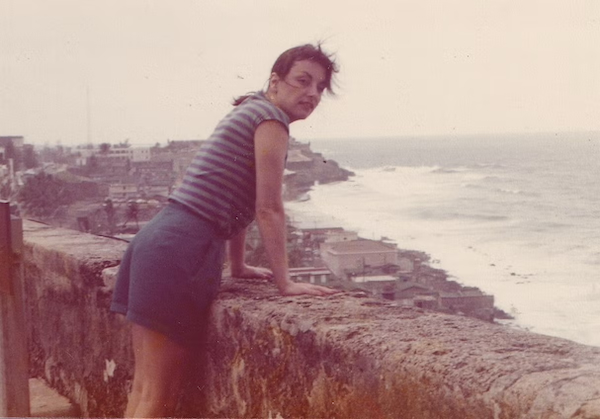
In 1945, my grandmother Dolores, 18, had her first child. Inez Feaster Blois was the name on my mother’s birth certificate. Her father was listed as “unknown.” Mom never learned his name. Dolores’s parents, Theresa and Fred, called Mom Laura. It stuck, and Mom somehow made it official along the way.
Dolores wasn’t interested in motherhood. She sent Mom to live with Theresa and Fred in Queens. Theresa was a Venezuelan woman, beautiful with long brown hair, and she mostly spoke Spanish at home. Fred was from what was then known as British Honduras, now Belize. At four or five, Mom was playing in the backyard, snapping her suspenders, when the metal clasp came loose and whipped her left eye, blinding her in it. She became the cockeyed girl in class. At school, she was teased. “The kids would say, ‘Who are you looking at?’ ” Mom told me.
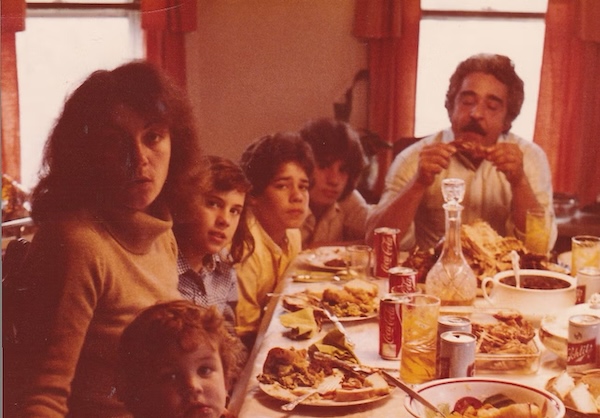
A few years later, a man who was friends with her grandparents started to come over for dinner and show Mom attention. It felt good. He would find a way to be alone with Mom in the basement workshop and masturbate in front of her. Sometimes he’d call the child over and ask her to touch it. My mother kept their secret.
Eventually, Mom moved back with her mother, Dolores, who lived in Brooklyn and had had more children. There was Edward, Frankie, then Mary Ann, 11 years younger than Mom, and Timmy, born six years after Mary Ann. Dolores’s five children all had different fathers. My uncle Edward, who served time in some of the same prisons that I have, once told me Mom was tough, a tomboy who played stickball. When Mom complained about always having to babysit her younger siblings, Dolores beat her good. By her teenage years, she was looking for a way out.
At 17, Mom was working at a supermarket. On her lunch break, she met an Italian man named Gene, who was 29 with a good city job. They had their first date the day President Kennedy was assassinated. Two months later, they married. Gene bought a three-bedroom on Long Island. Mom’s name wasn’t on the deed. She cooked and cleaned and had three babies: J, Eugene, and Michelle. Mom had a beautiful German shepherd named Abigail that she bred and entered into dogs shows, winning several contests. Gene made her stop all that. He became mean, Mom told me, and started throwing spaghetti when she overcooked it.
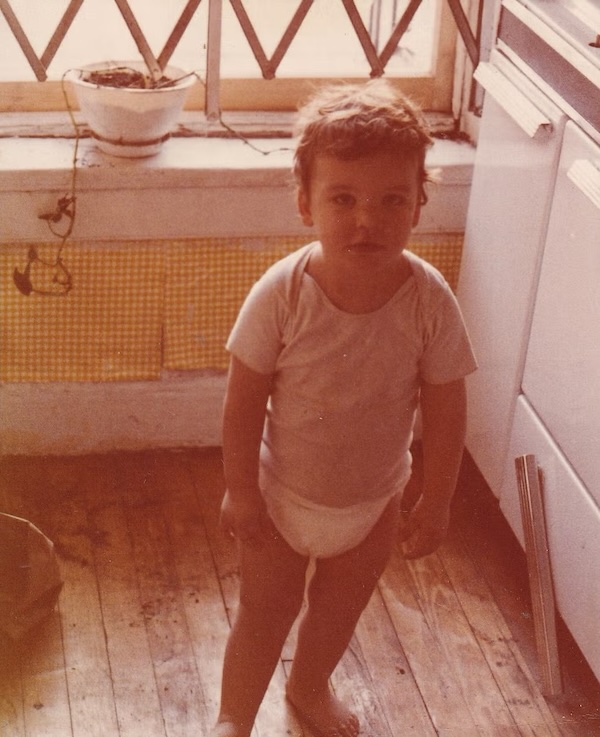
On 22 January, 1973, the very day Roe v. Wade became law, Mom got an abortion. She wouldn’t give the man another child. Gene drove her to the clinic. By that point, they hated each other. They divorced, and Gene wound up with custody of the kids. Mom had no means, and she didn’t want full custody anyway. She had them for the holidays.
By the mid-70s, Mom was liberated and beautiful, in her late 20s, looking like a young Susan Sarandon with chestnut-brown hair. After a doctor straightened her eye, she began to meet the gaze of interested men. She became more social, made new hip friends, started smoking pot. She waitressed, bartended. On a blind date, she met my father, an Irishman with a brogue. His name was Sean Lennon. He was a bartender at Rosie O’Grady’s, an upscale establishment in the Wall Street district. “He was like a king behind that bar,” Mom told me. “Your father was charming. I think I slept with him on the first night.”
Mom and Sean were drawn to each other. But it didn’t take long for her to realise he was a drunk, or for him to realise she was nuts. Crazy love, that’s how Aunt Mary Ann described their relationship. One time, after Sean disappeared for days on a drinking binge, he came home to sleep it off. He awoke with the words “I hate you” written in red lipstick on his stomach and all over the walls. Soon after, Mom attempted suicide by turning on the gas stove and closing the windows in her apartment. Mom told me that the neighbours reported the smell. Sirens wailed and the building was evacuated. Firemen banged on the door, but Mom wouldn’t answer. They eventually entered the apartment through the fire escape and hauled Mom off to the psychiatric hospital. After she was discharged, Mom and Sean carried on. Crazy love, yes it was.
She soon became pregnant with me, and they married. At first, she figured she’d get an abortion, but Sean promised to stay clean, so Mom decided to keep me. The day I was born, Sean never made it to the hospital. He relapsed.
Their marriage soon dissolved. Sean continued getting drunk. Mom kept getting mad. During their last fight, in the bathroom of the Manhattan Beach apartment they shared, Mom smacked Sean in the head with a trophy she’d received for showing Abigail. Sean fell into the tub and broke his arm. He told Mom he couldn’t do it anymore, and fled.
Mom rented a studio apartment downtown, and around this time, her ex-husband Gene dropped off my brother Eugene to live with us. Eugene was about 11 years old and rebellious. He wanted his mother. But Mom was on her own and overwhelmed with taking care of me. Eugene stayed only a few weeks. Despite his pleas, Mom sent Eugene back to his father. Eugene never got over Mom’s rejection.
Mom could be cruel. I’ll never forget the time she gathered my rubber wrestling dolls and baked them in the oven. Hulk Hogan and André the Giant, melted and burnt.
Meanwhile, Mom got a job at McDonald’s during the day. Some nights, to make extra cash, Mom would ask Mary Ann to watch me while she went out and did sex work. She hit the upscale bars in Manhattan like Maxwell’s Plum and the Waldorf Astoria. “It was easy cash,” Mom told me recently. “I was behind on my rent. I had to support you. The money I was making at McDonald’s wasn’t cutting it.”
Mom soon learned that if she were homeless, she would move to the top of the list for public housing. She persuaded the landlord of her studio apartment to give her an eviction notice for having too many kids, and we moved into a three-bedroom apartment in a Sheepshead Bay housing project in South Brooklyn. Rent: USD100. Mom wasn’t educated, but she wanted to be. She enrolled in community college, aced an anatomy course, and thought about becoming a nurse.
In the early 2010s, as Mom’s Parkinson’s symptoms worsened and the delusions started to surface, she hired help. By 2014, her expenses were increasing, so she sold the condo on the ocean and bought a more affordable one inland. At the new complex, her neighbours were working-class. Denise, a sweet, raspy-voiced 50-something, split her time taking care of my mom and her own aging mother in the unit upstairs. In 2015, Denise flew up with Mom to visit me in Attica. When she digressed into talking about the cats and the man in the closet, Denise would hit my foot under the table, and then she’d tell Mom what she was saying wasn’t true. I didn’t like that, Denise patronising Mom. So I confronted her and told her to stop. I couldn’t take anyone mocking my mother in front of me.
When Denise got up to get us food from the vending machines, Mom assured me everything was okay. But she smiled, because she liked that I stood up for her. Then Mom offered some sober wisdom and explained that she didn’t want Denise resenting her because I scolded her. She reminded me I was in prison, which meant people couldn’t really feel my presence. Another moment that brought me down to size. Be nice, she told me, and turn on the charm. When Denise came back to the table with microwaved food, I apologised. I didn’t know then that everything was about to get even more challenging. And I didn’t know that this was the last time I would see Mom, hug her, kiss her.
Mom could be cruel. I’ll never forget the time she gathered my rubber wrestling dolls that Mary Ann had bought me and baked them in the oven. Hulk Hogan and André the Giant were unrecognisable, melted and burnt. But Mom could also be motherly. The first book I remember reading was Jack London’s The Call of the Wild, which Mom bought for a book report I had to write when I was in third grade. She tutored me, hovering over me with hot breath smelling of pot, making me read aloud. When I read words like toil and peril, she’d stop me mid-sentence and ask what they meant. I’d shrug, and she’d make me find the word in the dictionary and write out the definition.
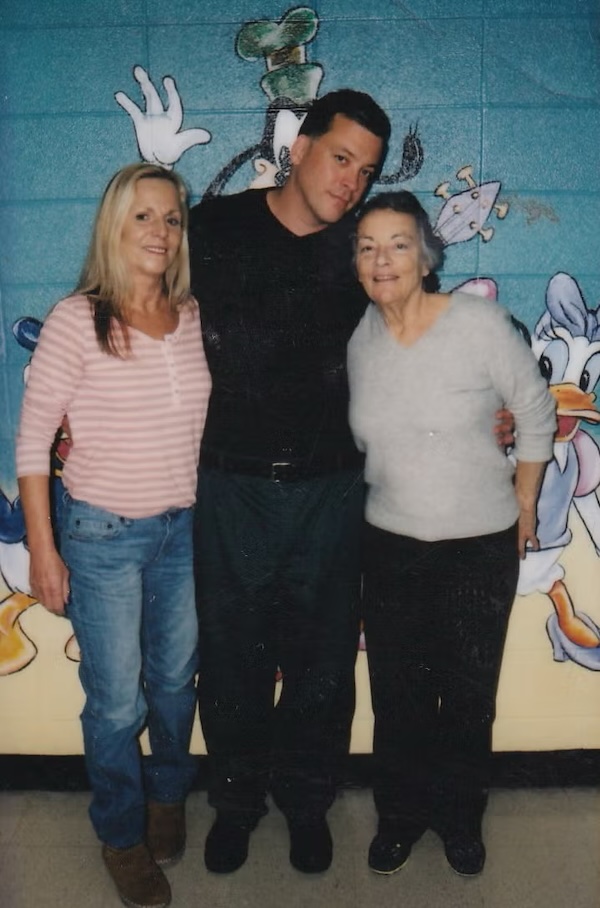
Mom wasn’t always interested in being an attentive parent, though. When she got distracted with her own ambitions and desires, she would look for others to take care of me. At the local YMCA, she found a young man named Robby who would bring me home to his family as part of the Big Brother programme. Robby’s parents, Danny and Glenda Sherman, and Steve, his older brother, lived in a two-bedroom co-op with a poodle. Danny was a carpet salesman. The building had a community pool and a diving board I loved to flip off of. I stayed with the Shermans on weekends for years. I spent Jewish holidays with them, eating gefilte fish and wearing a yarmulke.
On several occasions, when I was maybe four or five, I’d wake up in the middle of the night, alone in the project apartment, and call Glenda, who would send Robby or Steve to come and get me. Mom was usually out dancing with Mary Ann at a Manhattan disco. When she would pick me up from the Shermans’ house the next evening, Glenda would reluctantly hand me off. After the elevator doors closed, Mom would say, “They were talking bad about me, right?”
I stayed silent. She’d then shame me for snitching her out.
“I was coming right back,” she’d say. “I don’t know why you had to call Glenda, crying.”
Mom has vowed to live until 84, or 2029, the year I see a parole board. This would be quite the feat for someone with Parkinson’s. My friend Megan has been helping me caretake for my mom since 2022. I’ve been a felon longer than the 32 years Megan’s been alive, and when she first reached out after my book, The Tragedy of True Crime, was announced, she had no idea what she was signing up for. I would eventually pay her a fair rate to publicise the book, after years of pro bono work.
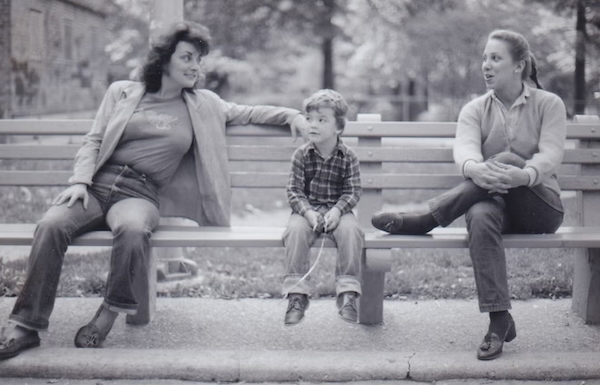
Here’s how it started. I was on the phone talking to Megan about a story pitch, and I casually mentioned that my mom wasn’t answering her phone when I called her direct. “Can you patch me through real quick to her aide, Maria?” I asked Megan. “I have her number in case of an emergency.”
Megan told Maria that she talked to me every day and to just text her if she needed anything. Soon, Megan became the contact for everything. When Mom wanted to talk to me, Megan got a text. When J was tardy in mailing the monthly USD11,000 check from Mom’s trust to pay the aides, Megan got a text. When Mom made trips to the emergency room, Megan got a text. When Mom wound up in the hospital—urinary-tract infection, chest pains, pneumonia—Megan got a text. When the doctors found growths all over Mom’s spine, Megan got a text.
When the tests came back that the growths were just benign lesions, Megan got a text that Mom wasn’t dying. Having to tell me my greatest fear, that my mother had died, became one of Megan’s greatest fears.
It started taking an emotional toll on Megan, being the go-between for me to play point for Mom from prison. And if she was doing all the work, who was really Mom’s caretaker? Sometimes I didn’t appreciate the emotional weight of what I was asking her to do. I had to show restraint, be professional, use etiquette. But I was never any good at that. And they don’t teach you manners in prison.
In 1980, my aunt Mary Ann married Nick, a Greek man who worked in construction, and settled down. Several years later, Mary Ann would have her own son, Teddy. He would be their only child. “I felt complete when I had Teddy,” Mary Ann said. “I wanted to be a mother.”
Mom started selling hot dogs from a wagon by the bay. With the cash she made, she began sending me away. From fifth to seventh grade, I attended the Malcolm Gordon School for Boys. Thirty of us, everyone except me, from upper-middle-class families, lived in a mansion overlooking the Hudson River.
Over the years, I’ve asked many people to fly down and check on her. My presence by proxy. When my friend Megan told me she spoon-fed Mom vanilla ice cream, I was jealous.
I’d come home to the projects for the holidays and summer. Then Mom would send me to sleep-away camp. She came up with the last name Feinstein to suggest I was part Jewish, so we could get financial aid. When J and Eugene would ask Mom why she always sent me away, she’d tell them to mind their business. I know Mom did this to free up her time, but it was also to expose me to a better education and a different class of kids. But I got used to being away, spent most of my life away.
George, a longshoreman and the captain of a charter fishing boat that came into the bay, ate a few of Mom’s dirty water dogs. He loved them, loved Mom, and they soon married. She made George take me out on the fishing boat every weekend, and I doubt he liked babysitting me.
When I was maybe 12, on a break from school, Mom told me my father had died from a heart attack. (I learned a year later he had killed himself.) I was sad to lose someone I wanted to know, sadder he didn’t want to know me. Around that time, we moved to George’s rent-stabilised apartment in Hell’s Kitchen, Manhattan, where a murderous Irish mob called the Westies had run. George was a good man, but I would often overhear him romanticising the murderers he grew up with in the Kitchen, how they would walk into a bar and shoot a man in the head as if it were nothing.
In ninth grade, at another boarding school, I was expelled for attacking an exchange student with a butterfly knife. State troopers came to the school and arrested me. I wrote a statement, and the police released me to the headmaster, who picked me up from the barracks and dropped me off at the train station. Mom was waiting for me. Walking through Penn Station, I handed her the arrest papers, which included my statement. We took a yellow cab in silence. Back in our railroad apartment, she sat me down at the kitchen table.
“Don’t you ever talk to the police again without a lawyer,” she said. “They ain’t looking to help you. They’re looking to put you away.”
I never saw Mom as a criminal, but I knew she skirted the law. Searching her drawers for money, I’d see multiple credit cards with different last names. FBI agents banged on our door. She never answered. Bill collectors called. When I would answer and pass her the phone, she would always scold me for saying the wrong thing.
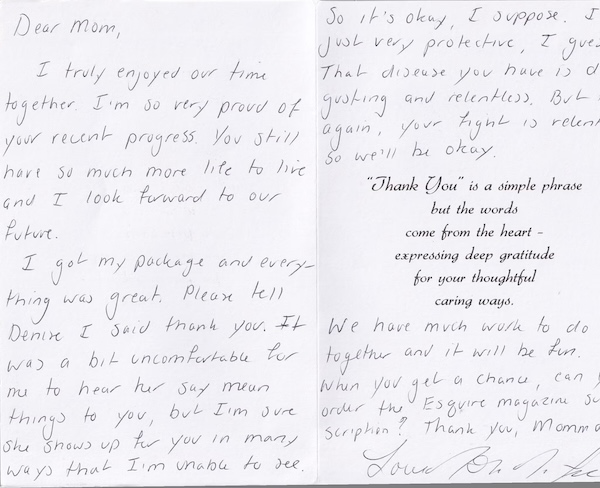
Soon, I started hanging out with the kids on the corner and stopped coming home. I rejected any attempts Mom made at mothering. I didn’t need her anymore. With a gun strapped to my waist and a pocket full of drugs, I had so many people who needed me. It gave me a new confidence. Today, when I think back to this time and why I’d go on to commit murder, I can’t help bouncing from nature to nurture and back again. Both played a part, but the place where I first understood the power of violence was Hell’s Kitchen. I ran the streets and lived with sketchy people, did stints in juvenile facilities, and spent a year on the Rikers Island unit C-74, or “Adolescents at War,” for packing a pistol. Even though it was the hardest, most violent year of my life, I saw my time on Rikers as a rite of passage. I got out in 1996.
By then, I was 19. Mom didn’t understand how I could return to crime after how rough I had it on Rikers. She had migrated back to Brooklyn to start selling real estate. After Mom became a broker’s top agent, she opened her own real estate office down the block. I love telling this part of Mom’s story. She showed me the importance of taking a shot. Mom would espouse practical truths to me in those years, sounding like a hot-dog-wagon Warren Buffett. “You need capital in America to make real money,” she said. I was playing a loser’s game, and when I’d pull up to her office in a brand-new car, she’d shake her head and say, “You’re going to jail.”
Before I did, though, I had an out. Many of us do. A few guys jumped me and slashed my back, snatched my gold chain and diamond necklace, and yanked the Cartier off my wrist. Mom helped me recover and begged me to stop selling drugs, even paid me to drive people around and show them houses. I did that for a while, but I started selling again. A year or so later, in 2001, I murdered a man. Mom had tried.
Oddly, I felt most loved by Mom, felt the closest to her, after I went away. Around the time the judge sentenced me to life, a doctor diagnosed Mom with Parkinson’s. She was in her mid-50s, only a few years older than I am now. I learned what was wrong with Mom in a series of conversations over the phone on Rikers Island, waiting to go on trial for murder. The third neurologist she saw told her definitively that she had Parkinson’s. I felt her diagnosis like she would feel my guilty verdict. She soon shuttered her real estate office in Brooklyn. She didn’t want to waste the few good years she had left working. Mom cashed out and moved down to Fort Lauderdale and bought the condo on the ocean.
The one thing I’ve realised about gangsters is that most of us are momma’s boys.
In 2007, when I was in Attica, I learned that Mary Ann’s only son, my cousin Teddy, died in his sleep. He had an enlarged heart. He was 19. Overnight, Mary Ann’s life felt meaningless. Her relationship with Mom became strained. Mary Ann saw her as the older sister with a bunch of kids she didn’t want, ungrateful. Teddy’s death gutted her. His life had barely begun. No middle. It just ended. And Teddy was gone.
In Attica, people were trying to kill me. The day I learnt that Teddy died, I got beat up pretty bad by my cellie. My forehead bounced off the bars and I bled a lot. The guy who did it was from my housing project in Brooklyn. He had been friends with E, dated his sister, and was looking for payback. It was bad luck that we landed together in Attica. When Mom came to visit a couple of days later, I still had a black eye, and a stitched-up forehead.
In 2008, I ran into another one of E’s friends in the yard. He ice-picked me in the chest six times, puncturing my lung. After I got out of the hospital, Mom visited me. I was angry, and she watched me as my eyes darted around, looking to see if the guy who stabbed me had also received a visit that day. I’d get him, I told Mom. She cried angry tears and berated me. I still had opportunities, and I could make a meaningful life for myself. I was smart and healthy, but I was acting like an animal. Through clenched teeth, she told me, “You pig! You’re a maker of your own troubles—and you don’t even see it.”
That brought me up short, and I soon made some changes in Attica. In a creative-writing workshop, I read long-form magazine features and became interested in the lives of others around me. By reporting their stories, I would come to better understand my own. In an AA group, I got sober. I read the Big Book, wrote to Mom about 12-step work, about doing God’s will, not mine. I listed my resentments and fears. Mom told me to recite aloud the prayer of Saint Francis of Assisi—Lord, make me an instrument of your peace—every morning. At my worst, she steadfastly invested in me, helping me discover my goodness. She knew I was more than a murderer long before I did, before anyone did.
After her last visit to Attica, in 2015, Mom became too ill to travel to see me. Over the years, I would try to get whomever I was involved with—my wives and girlfriends at the time and, in recent years, Megan—to fly down to Florida and check on Mom. It was my presence by proxy. I wanted to let the aides know Mom had people who cared about her. But I also hoped they could give her the affection I wished I could. When Megan told me she spoon-fed Mom vanilla ice cream, I was jealous.
By 2021, I was supporting myself fully from prison as a freelance writer, paying taxes. I earned a spot on the masthead as a contributor to this magazine, I was writing for The New York Times, and I’d landed an advance for my first book. My older brother J now respected me, and he began deferring to me as the last word on all matters regarding Mom. I became her power of attorney.
Caregiving for an elderly parent from a long distance may seem like less stress, but according to the National Alliance for Caregiving and the American Association of Retired People, it’s been known to cause more emotional distress.
In 2023, Mom put her condo up for sale. At my behest, Megan searched for assisted-living facilities in the Lauderdale area for her to check out. Maria, her aide, took her to see Coconut Creek, Five Star Premier Residences, Park Summit, Coral Springs. Mom probably felt like I did when we visited boarding schools she would send me to. Megan sent me the notes she took from calling all these places. At the top of one page, she wrote, “What does Laura want?”
Mom told me she never wanted to be in a nursing home, but there was just no alternative. Megan and I had to use careful language, making sure to call the facilities “assisted living.” She eventually settled in the Preserve at Palm-Aire. At six grand a month, Mom didn’t like the services and left a few weeks later. Soon after, she fell and busted her hip. She spent a few months in the hospital, then a rehab facility. Meantime, her condo sold.
When she got out of rehab, she rented an apartment in a brand-new building with young tenants and a rooftop pool. But she couldn’t enjoy the amenities. Her one-bedroom was barren, just a hospital single with rails, jars of pills littering the kitchen counter. A big-screen TV played reruns of Law & Order. Maria enlisted a crew of West Indian women who rotated shifts, cooked collard greens for Mom, changed her diaper.
Keeping in touch was getting harder. When I called, one of the aides would put the phone on speaker and lay it on Mom’s chest. Her gnarled hands couldn’t work the touch screen. Oftenm Mom would forget to charge her phone. A few times it fell from where the aides had placed it and broke. Nearly every call, she would accidentally touch the screen and hang up on me. It became easier to ask Megan to text Maria, and we’d call during her shift to talk to Mom.
A few years ago, Mom had about 250 grand in a trust account, plus her monthly income: a pension check she got from my late stepfather George’s longshoreman job and her Social Security. In total, Mom’s monthly income was about USD4,000. With rent and utilities and round-the-clock care, her monthly expenses amounted to nearly 15 grand.
My brother oversaw the trust account and every month mailed eleven grand to Maria and her crew. Medicaid covers about 61 per cent of the annual USD415 billion nut spent on long-term care for the elderly in America. When I hired a Florida lawyer to see if Medicaid would supplement some of the salary for Mom’s aides, we were denied. Mom had too much money. Soon enough, it would all be gone.
Not long ago, after an argument, J stopped speaking with Mom, though he has continued to attend to her accounts for me. My sister, Michelle, has two kids, but because Mom wasn’t a mother to her, she didn’t trust her to be a grandmother to them. She hasn’t spoken to Mom in years, either.
Mom knew I was more than a murderer LONG BEFORE I DID, before anyone did.
Last summer, Megan flew down to Florida. She recorded long conversations with Mom during the couple of hours of daily clarity Mom still had. At one point, Mom told Megan her regrets. One of her biggest was rejecting my brother Eugene that time he begged her to live with us. “Eugene pleaded with me, swore he’d be a good boy,” Mom told Megan.
Eugene would develop his own void and turn to drugs to fill it. In 2012, when I was in Attica, I learned Eugene overdosed on heroin and was found dead in a Manhattan rooming house. The smell alerted the neighbours. In 2018, I published my first essay in Esquire, reckoning with one of my own biggest regrets. Eugene’s first taste of heroin was my product, because I was selling all the dope in the neighbourhood. So Mom and I both knew something about remorse.
Megan was shuffling through family pictures and found one of Eugene.
“He was very handsome, had those big brown eyes, long eyelashes,” Mom said. “But he was short.”
Since Mom could no longer see well enough to read, Megan wanted to play Mom the audio version of my book. Throughout, I weave my own story with those of three other men who killed. In some parts, I write about Mom. Megan set up her laptop and connected it to a Bluetooth speaker to listen with her. I called Megan and listened in, too, on speakerphone.
At one point in the book, I explained an ass-whipping Mom gave me. I’d sometimes swipe rolls of quarters and play video games at the local pizza shop. One time, she set a trap and caught me stealing. She beat me good. In the book, I reflected on how “the first people who introduced us to fear and pain and violence were the ones who were supposed to love and protect and nurture us the most.”
Megan pressed pause, figuring that it would be a moment of reflection.
“Why’d you stop it?” Mom asked.
“I just thought you were getting emotional,” Megan said. “How did you feel listening to that?”
“I feel like he deserved it,” Mom said. “Keep playing it.”
At one point during Megan’s visit, my aunt Mary Ann called. We got to talking about getting Mom to move into Spring Village, another lovely-sounding assisted-living facility, this time in the Poconos region of Pennsylvania. It was down the road from where Mary Ann and Nick owned a home. Spring Village was also close to the cemetery plot where Mom will be buried, where Grandma Dolores is buried, where Teddy is buried, where my brother Eugene is buried. Mary Ann, nearly 70 now and exhausted from a life of grief, thought it was time that Mom moved closer.
Mary Ann negotiated a USD7,000-a-month hospice-care room in Spring Village for Mom to move into by 1 October, the week of my book launch. Even though she was slammed with publicising my book, Megan coordinated the logistics—booking medical transports, flights, and hotels for Mom’s travelling—and got it done.
I spend most days in my cell, except for an hour in the yard. My cell isn’t much different from Mom’s room. Cases of spring water stack three feet high at the foot of my bed, bags of bran flakes and granola cereal pile on top, packets of chicken and tuna and salmon and Tasty Bite lentils fill a tub under my bed; condiments and coffee and creamer stuff a locker bolted to the wall. I turn my cell TV to CNBC. Mess-hall runs are optional in prison, and I don’t like the food that the institution serves. Three times a week, I go on the bathhouse run; each tier shuffles through the corridors, net bag with shower gear slung over our shoulders to bathe.
Mom spends most days lying in the single hospital bed. There’s a dresser, a mini fridge stocked with fruits and yoghurt and cream soda. She likes Wise potato chips, too. Like me, Mom doesn’t much like the institutional food. She still turns the TV to Law & Order or shows on the History Channel.
Three times a week, Mom is bathed with a sponge; four times a day, her diaper is changed. In the morning, aides push her into the Country Kitchen, where she and the others park their wheelchairs around a dining table and wait for breakfast. Mary Ann usually shows up to visit Mom around noon with homemade food: egg salad, chicken salad, yoghurt, lentil soup. It tastes good and is easier to chew with her few remaining bottom teeth.
Mom still experiences hallucinations and delusions. She tells Mary Ann that when she leaves, they electrocute her and stick her with needles. A man with one leg crawls out of the drop ceiling of her room. I don’t know if he’s the same guy from the closet in Florida. When I call, I try to change the subject when it comes up.
By the end of the summer, Mom’s money in the trust will all be gone. Her USD4,000 income from George’s pension and Social Security will be it. Mary Ann asked the Spring Village administrator to put Mom in a double room, which has brought the monthly bill under six grand. In a recent call, she expressed her fears of being sent to a state-run nursing home once her money runs out. But I tell her the same thing she told me when I was facing a murder trial on Rikers. Everything will be okay.
I don’t know if I’ll ever see Mom again. I know that’s because I chose to kill someone, a 25-year-old son I took from his mother forever. She never saw him grow into the full possibility of his life, like I’ve been able to grow into mine, and he was not able to comfort her when she died some years ago. I’m ashamed of that. But I am proud that, with this writing career, I can keep my mother out of a state-run facility, at least. In the fall, I’ll start making up the difference—USD1,700 per month—so she can stay at Spring Village. Mary Ann will pay for the snacks in her fridge and bring her home-cooked meals. Despite what my brother or the Shermans have told me about Mom, I think she did the best she could.
I wrote this to memorialise Mom and understand how she shaped me. You try to figure this shit out writing these essays. To me, Mom redeemed herself by not leaving me when I came to prison, when it felt like the world hated me. When I hated myself. Her loyalty and love sparked my own redemption in Attica, got me thinking I’d be some kind of writer someday. Mom stuck with me when it all seemed so pointless. But it wasn’t. I will always be my mother’s son.
Our most endearing moments together were when Mom saw my darkness, the deep crease forming in my forehead between my eyes. She would gently rub her thumb over the two protruding lumps, like a priest blessing the forehead of a churchgoer on Ash Wednesday, and say, “Put the horns away, John.”