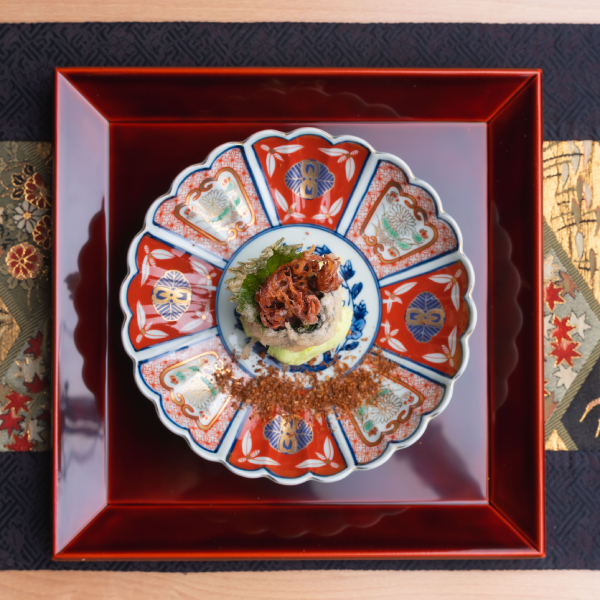
It’s strange that most do not know of the possible pioneer omakase restaurant in Singapore. Moreso when that pool of uninformed individuals includes even industry insiders like ourselves. This incognito we can likely attribute to the fact that the establishment has never sought much marketing efforts. Until now.
Its Google presence does not lend to the impression that it’s been around since the cusp of the millennium. Considering the cutthroat F&B scene, this achievement becomes yet more impressive. Suspicious, almost. Until you experience it.
Freshly reopened after a nine-month hiatus, Hachi now sits front and centre of Tanjong Pagar’s latest skyscraper. It was also joined by the third outpost of its sister concept, The Public Izakaya.
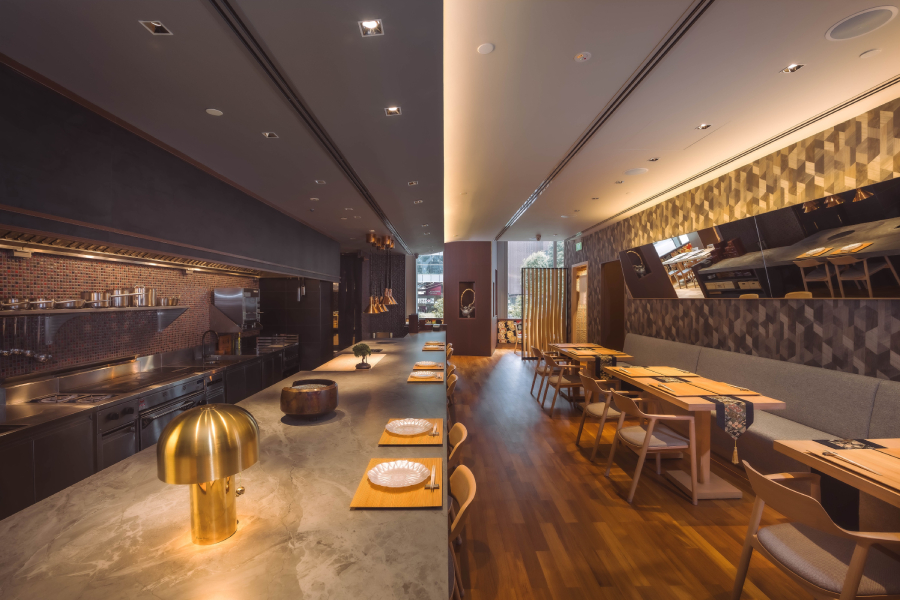
The interior retains the style and artworks of its last holding at the National Gallery, only trading light wood elements for darker tonality. The main hall, whether in group or counter seating, hosts a direct view of the kitchen. Though the semi- and private rooms are not privy to the live action–arguably the highlight of such concepts–food alone made the show.
This statement is on a benchmark that comprises a handful of stellar degustations over the years. Only rising to popularity within the last decade or so, omakases here are chiefly of two schools: the highly traditional route helmed by a native chef tucking credentials under his belt, or the modern upstart fusing a little flair in anticipation of what the customer expects.
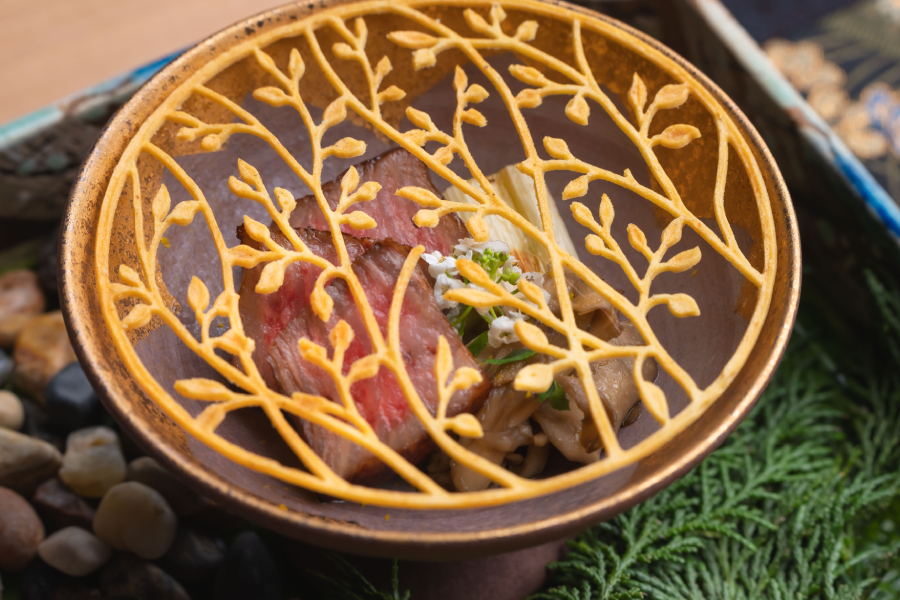
Originally founded by a Japanese chef who collaborated with a Singaporean partner a decade ago, its 27-year legacy now continues with the latter as chef-owner. Now, many in his position would pander to the local palate. But not Fabian Koh, who views the restaurant as an ambitious cultural project.
“Not everything will melt in your mouth,” he often says. “Not everything that melts in your mouth is good, too.” He shakes his head at the common folly of cholesterol-laden dishes in the name of flavour-bombing. You know what he’s talking about. That uni-ikura-wagyu combo.
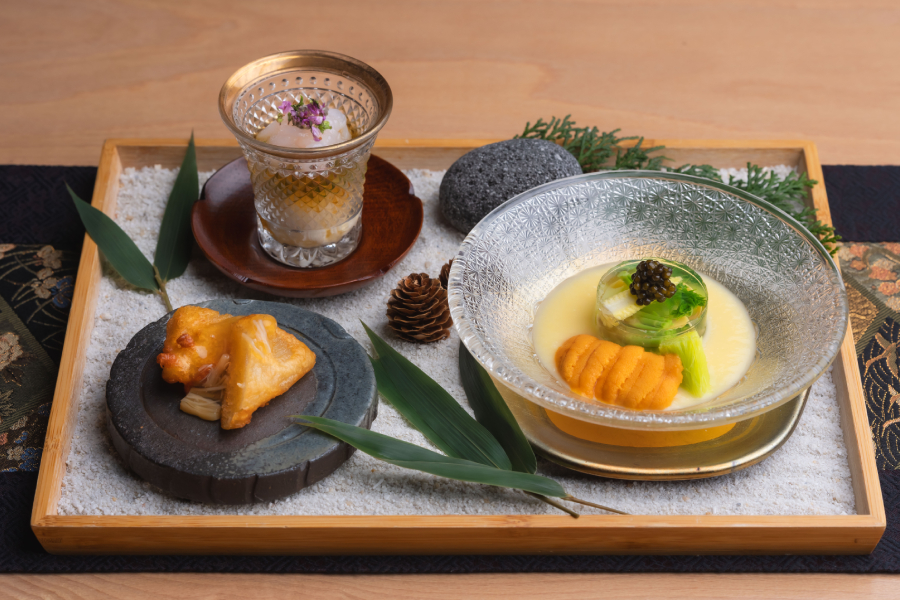
Visiting Japan almost monthly, with properties to name, it’s evident that Koh not only reveres the land’s ingredients and craft, but understands them extensively. “Most people don’t know that Japanese mountain vegetables can pound-for-pound cost more than seafood,” he notes, keenly aware of which exact day Spring officially begins.
The Spring menu’s hassun demonstrates this. Presenting shark fin in an unconventional form–fried, not stewed in soup–is surely novel. It fascinates the senses when each bite reveals a familiar gelatinous texture, but compact enough to pack a cartilage-y crunch. The item has been on the menu for about four years since the restaurateur first encountered it in Tokyo.
And hold off on your strongly-worded letters, we asked whether procurement of Hachi’s shark fins was on the up-and-up, and they replied, “The Fukahire [shark fin] is sourced through licensed suppliers at Toyosu Market, in compliance with Japan’s strict fisheries and traceability regulations.”
Turning yams into somen, cooking sush irice strictly with spring water, and dashi broth framed by potato art are just some of the many methods employed that seem innovative, but are, in reality, fairly classic to the cuisine. The quality of the sashimi, needless to mention.
Other instances of devil-detailing like roasting negi onion powder to complement an edamame puree, which isn’t even the star of the course (firefly squids wrapped, rolled, and tempura’d into a mini standing sculpture).
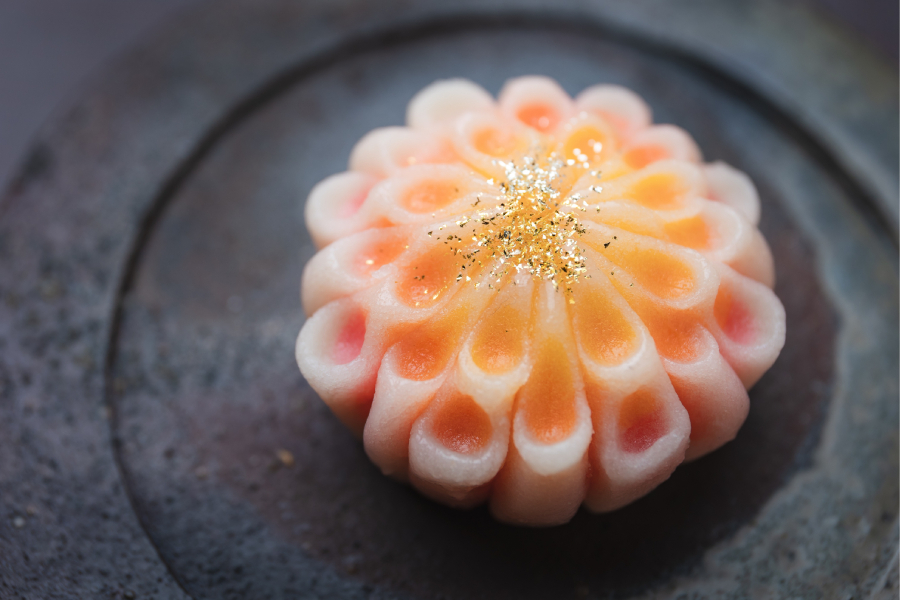
Hachi is currently the only one of its kind to appoint an in-house Japanese dessert chef. You see that from the carefully executed wagashi, instead of simply plating seasonal fruit. There’s a reason why Hachi refuses to serve à la carte. There’s a reason why the staff turnover rate is low. There’s a reason why the longstanding brand has been going strong since 1999. No longer gatekeeping, this quiet marvel only means you get to personally discover why.
Hachi Restaurant is located at Keppel South Central #01-07, Singapore 089315.