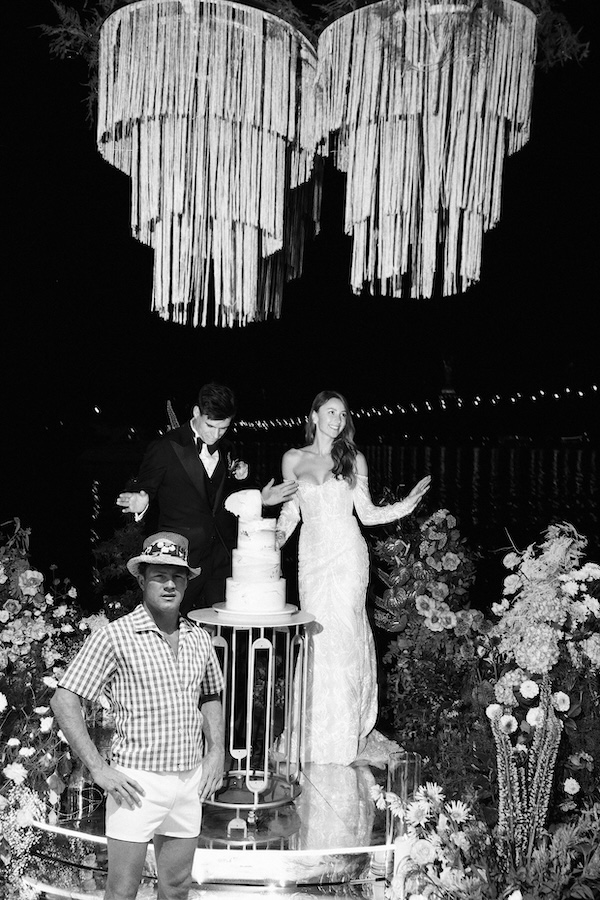
There was a time not so long ago when getting dressed for something meant something. You had “going out clothes”. You had a jacket that lived for weddings, wakes, and the job interview that actually mattered. Somewhere between the rise of athleisure and the fall of civilisation, we collectively decided that effort was embarrassing. Trying was tiring. And in some quarters, effort was the cardinal sin of modern life. Now, the height of sophistication is showing up to dinner looking like you’d just been evicted from a nap.
I would like to formally propose we stop. I’m not making comfort the enemy. God, no, I have a drawer of hiking shorts I’d die on a hill for. It is just that somewhere along the way, we confused “relaxed” with “absent”. Like your dad. We stopped dressing for the room and started dressing despite it. Also, like your dad. And a man who dresses despite the room he’s in has already told everyone in it exactly how much he thinks of them. Yep, you guessed it, like your dad.
This September, as the wardrobes get heavier and the light gets kinder, I want to talk about the proper occasion. Not the wedding, not the funeral, not the once-a-decade black-tie gala where you rent a tuxedo and pray it still smells like dry-cleaning instead of somebody else’s dead skin. I mean the ordinary occasions we’ve quietly stopped honouring. You know, like the Tuesday dinner, the gallery opening you almost skipped, the drinks with someone you’re trying to impress, the date that could go either way. These are the moments that actually make up a life, and they deserve better than “I just threw this on so as to not offend you too much.”
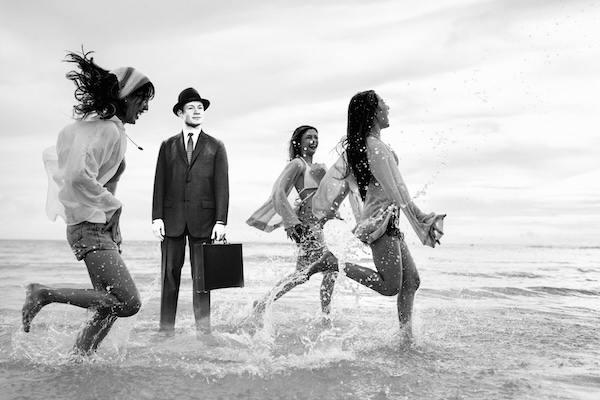
The thing about effort is that it is not about looking expensive. It’s about looking like you understood the assignment. A well-cut jacket at an ordinary dinner says something. It says that you read the room correctly, that you understood the occasion carried weight even if nobody explicitly told you so, that you’re capable of judgment rather than just compliance with the lowest available standard. There’s a reason people still remember what someone wore to a first date decades later. It proved the person behind it was paying attention.
“Nobody is asking you to wear a three-piece suit to buy groceries (though I’d secretly respect it), but enough days of effort that ‘dressing up’ stops being a special event and starts being a habit. Wear the good shirt to the ordinary dinner. Wear the tailored coat to the gallery opening you almost didn’t attend. Treat the date, the drinks, the dinner with your parents, the random Tuesday that turns out to matter more than you expected, as occasions worth showing up for.”
I think about my father’s generation here, because I always do. It’s an occupational hazard of writing about tailoring in a country that inherited half of its sartorial instincts from the British and the other half from sheer stubbornness. Men once dressed for Sunday lunch the way they dressed for church. It was out of respect for the people they were seeing, for the meal being served, for the simple idea that some hours of the week deserved to be treated as more than filler between naps. We’ve lost that instinct almost entirely, replaced it with a kind of performative casualness that mistakes effort for insecurity.
So, this is my case, laid out plainly: bring back the occasion. Nobody is asking you to wear a three-piece suit to buy groceries (though I’d secretly respect it), but enough days of effort that “dressing up” stops being a special event and starts being a habit. Wear the good shirt to the ordinary dinner. Wear the tailored coat to the gallery opening you almost didn’t attend. Treat the date, the drinks, the dinner with your parents, the random Tuesday that turns out to matter more than you expected, as occasions worth showing up for. Turn up properly, fully, with a lapel and a little bit of nerve.
When you show up dressed like the evening matters, you tell the people around you that they matter too. You raise the temperature of the room without saying a word. Would anyone notice? They will. Maybe not consciously, maybe not with a comment, but people register effort the way they register warmth: instinctively, and with gratitude. The person who shows up looking like he considered the evening is, without fail, the person people remember fondly. The person honoured something the rest of the room might have quietly agreed to abandon. Effort is contagious, and any occasion demands it.