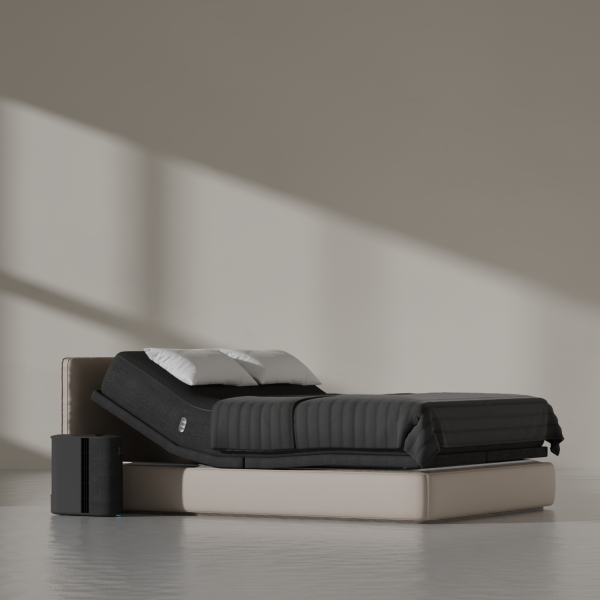
We live in a time that floods us with a ton of non-essential gadgetry. The necessity of a press-to-open umbrella still escapes me to this day, so modern sleep technology toes the line between placebo and luxury in my books. Trust me when I say I’m a huge believer in sleep.
I’ve written researched articles about its importance along with its often neglected mini-me—the nap. I place a good night’s rest above diet and working out in a ladder of health priorities. Permit me to humble brag that I’m an excellent sleeper too.
I knock out for seven straight hours and have vivid dreams; don’t stir at small noises but can awake effortlessly when required. Miraculously, I don’t snore either. My husband, in equal parts pleased and envious, sleeps figuratively on the opposite end. While he doesn’t snore—not that it will have any effect on this super sleeper here—he frequently rouses through the night.
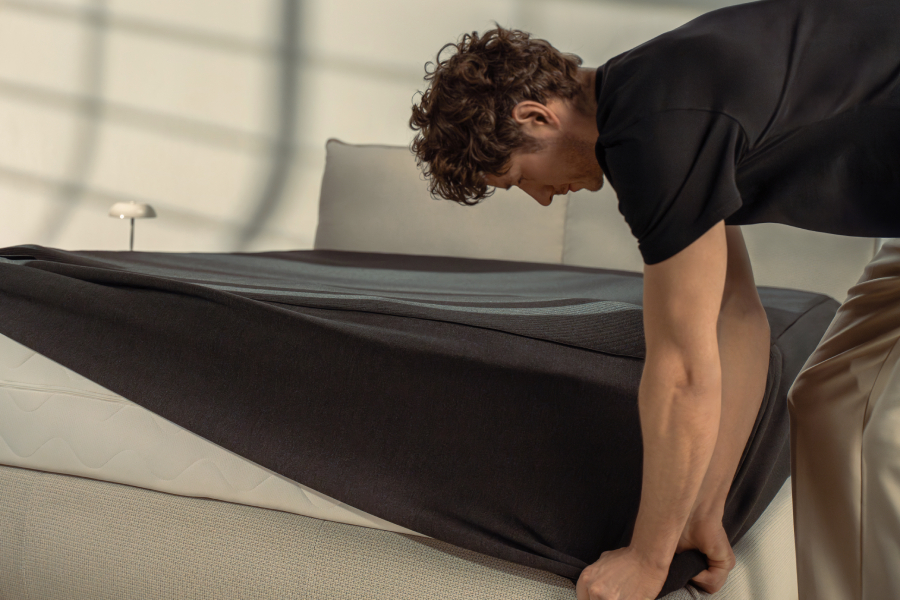
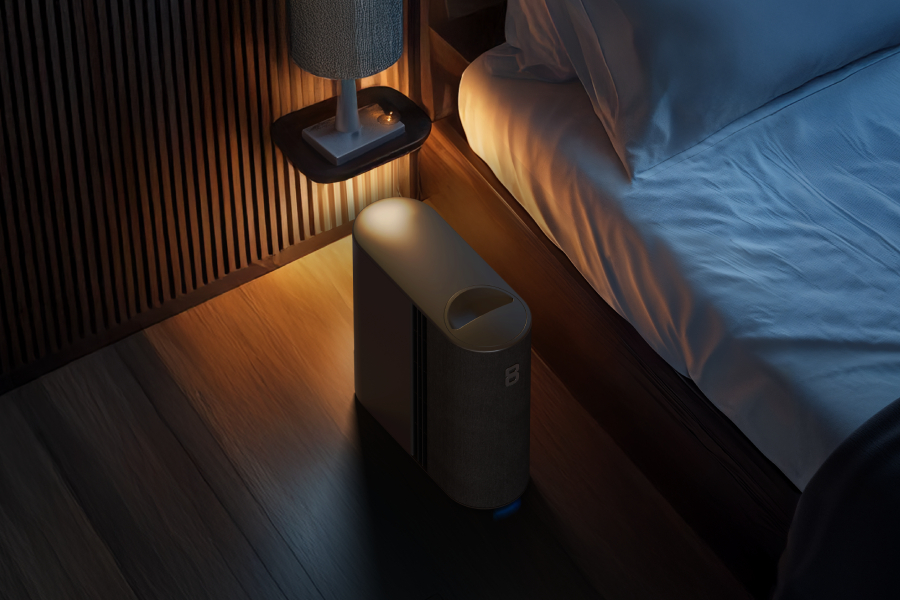
Setting up the hub and cover comprises a couple of steps but is fairly straightforward. The digital guide walks you through the process, which takes approximately half an hour tops. Essentially, you manually connect the two and fill the former with water. Though that wires into the cover for temperature regulation, its tactility is no different from a mattress topper.
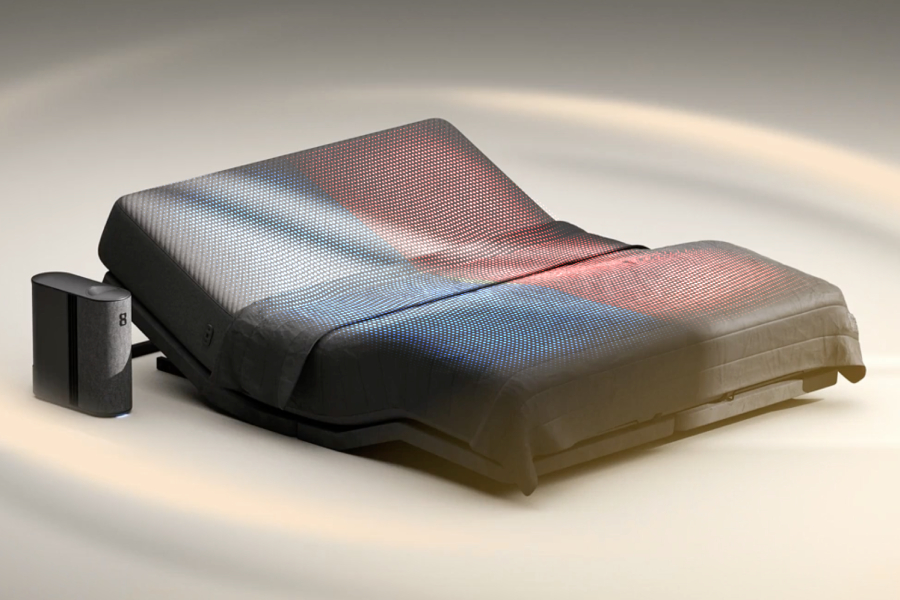
One major selling point of the cover is the ability to customise each half to your liking. Your partner can control their own side in both temperature and alarm settings. One of the wake features encompasses gentle vibrations, but they were subjectively not gentle enough for us to get accustomed to.
Another paid advantage is the Autopilot, which is an ongoing subscription that adjusts the temperature according to your sleep pattern to improve it. This also means it analyses your sleep pattern, for better or for worse. Besides sleep stages, it monitors heart and respiratory rates, as well as sleep consistency.
It’s optional to disclose personal information such as gender, age, and habits (we did not). In some ways, it’s great that it tracks these health metrics without being an intrusive wearable. On the other hand, that’s another app on the phone to constantly open. And a Wi-Fi-operating device next to your bed, if you’re fine with that arrangement.
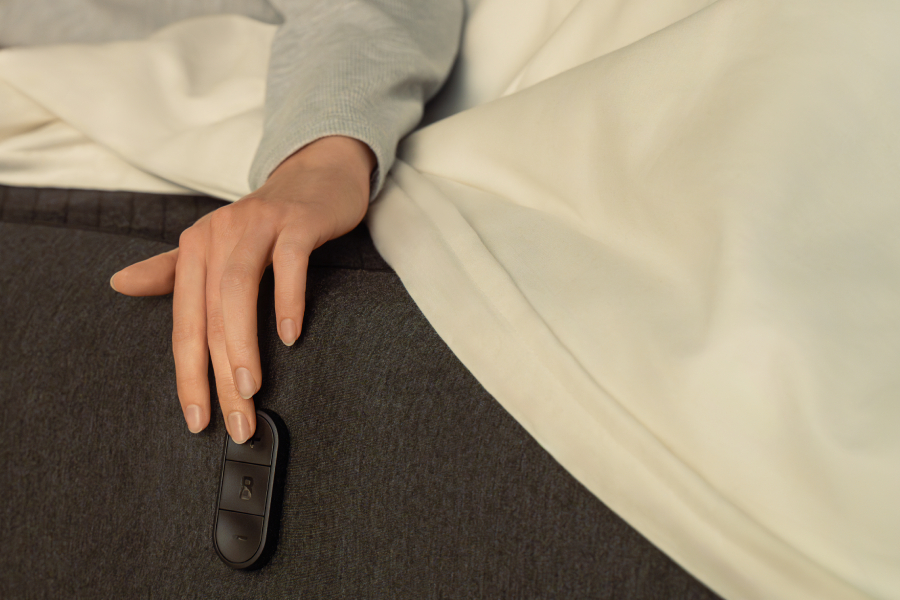
The hub’s hum is considerably quieter, especially when compared to older models. The system is highly responsive to temperature toggling; heating and cooling within a matter of minutes. There are sensor buttons on both sides for quick fiddling, but you still occasionally refer to the app since there is no display.
Every morning, it rounds up the previous night into a report with a sleep fitness score out of 100. Factors include sleep duration, quality and percentage of REM. Fellow reviews comparing with their Oura ring generally claim to tally, but ours were a little iffy. While time taken to fall asleep seems the most accurate measurement, it otherwise lauded my husband with fantastic sleep scores despite nights where he woke up five times.
I can foresee how positive readings potentially reinforce good sleep. In contrast, backfire by making you hyperconscious of your sleep if it shows up less ideal; especially to infamously result-oriented Singaporeans.
Yet, its functionality is a perfect match for the local climate. It ventures a step beyond air- conditioning; taking the humidity off with full skin contact. Picture lying on cool marble on a hot summer day.
A base frame, blanket and pillow cover complete the entire pod, but it’s undeniably a very pricey set-up altogether. When we did eventually return to sleeping without it, the absence was stark. Technology may not be mandatory for a snooze, but its effects will surely be missed.