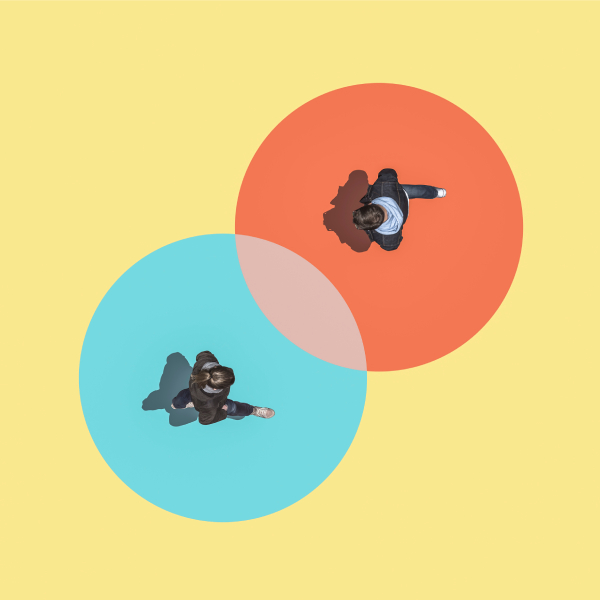
We think we know how the mind works, until we discover that anger only lasts a whopping 90 seconds. This comes from Harvard neuroscientist Dr Jill Bolte Taylor, who explains the chemical process by which the brain handles emotions in her book, Whole Brain Living. The deeper perspective she shares on the subject, on top of studying brains, is the result of eight years recovering from her own stroke.
When triggered by an emotional response, the brain releases a surge of neurochemicals. This creates a physiological sensation (i.e. tensed muscles, a racing heart, or that familiar sinking feeling in the gut). Here’s the punch: say you do nothing, at all; this chemical-physical reaction dissipates by a minute and a half. Meaning, even the strongest of emotions—absolute indignation, debilitating anxiety, and more—are highly temporary.
Well, you’re recycling your thoughts, to be specific. We all do it. Replaying the scene in our heads, overanalysing what every micro-action meant, and reinforcing our own often negative assumptions. This is going to sound like a cross between what a motivational speaker would repeat and what you may hear at pilates, but emotions are your friends. That, and breathe through it.
The good news is, there are ways to process them without judgment or justification. Dr Krista De Castella and Dr Philippe Goldin report in a Basic and Applied Social Psychology journal that individuals who deem emotions are fixed or uncontrollable have a higher chance of struggling with psychological distress because they feel powerless.
Conversely, those who see emotions as flexible and manageable are better at reframing adverse thought patterns, enjoying greater resilience and well-being. Any emotion existing beyond the 90-second time frame is no longer a biological reflex. It’s a biased interpretation; a narrative attached to theevent sustaining your distress. Harbouring leads to bitterness, and you know that saying about unforgiveness as the poison you drink while expecting your transgressor to suffer.
There is evidence pointing to resentment as a precursor to cancer development and a factor in post-diagnosis progression. So, probably helpful to learn to regulate. And if this piece offends, this is your golden opportunity to start practising interrupting bad mental habits. For no one else’s sake but your own.