Watch nerds love to talk about "complications." How they drive up the value of a watch. How they show the mastery of the maker. How they contribute, in ways both big and small, to that impossible-to-pin-down something that draws people to watches in a manner that approaches the spiritual. But, well... what the hell are they? If words like "flyback" and "minute repeater" are a mystery to you, keep reading. Very soon, they'll be mysterious no more.
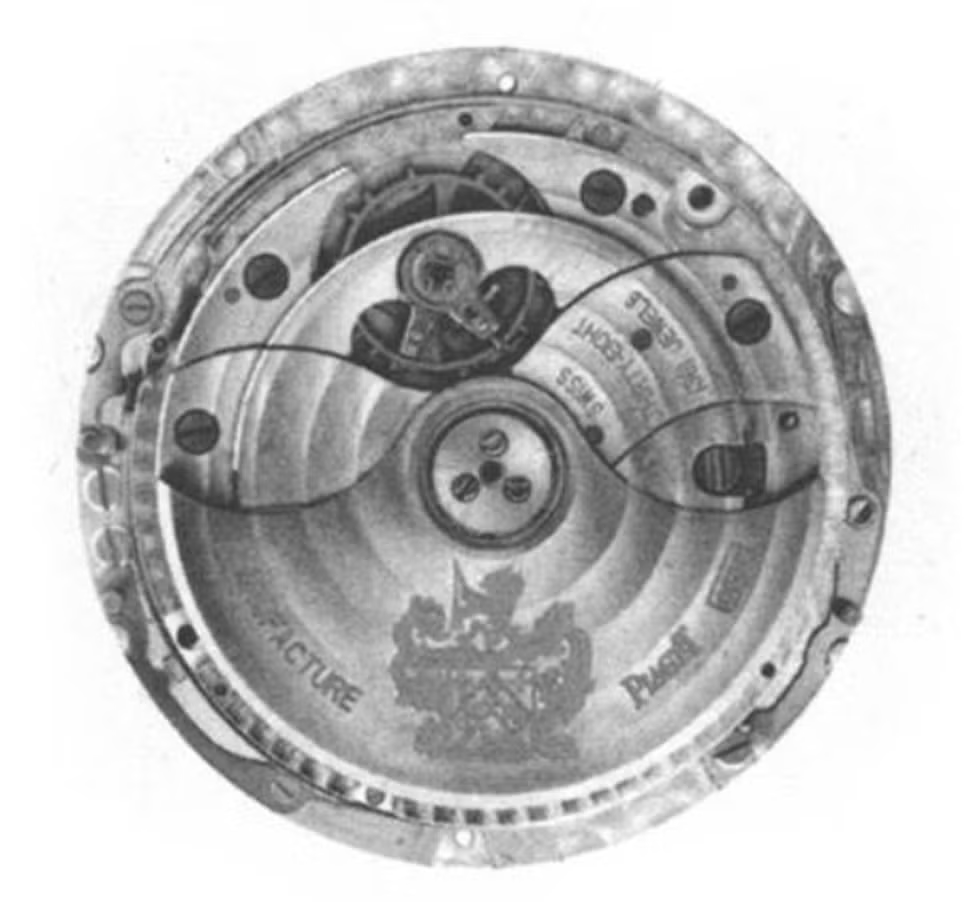
Fig. A
Correctly tracks the time, day, date, even accounting for leap years (if kept wound) until March 1, 2100.
First appeared: 1925.
How it’s done: The mechanism ticks off the full 1,461 days in four years.

Fig. B
Displays the phases of the moon via a rotating disk in the watch face.
First appeared: 1500s.
How it’s done: A dedicated gear rotates with the 29.5-day lunar cycle.

Fig. C
The second hand returns to the 12 o’clock position with the push of a single button and starts counting immediately.
First appeared: 1844 in London.
How it’s done: Pushing that button releases a lever connected to the timing hands, which causes them to “fly back” to the original 12 o’clock position.

Fig. D
The watch chimes to denote the hour and minute.
First appeared: 1750, created for King Ferdinand VI of Spain.
How it’s done: Two small hammers linked to small gongs are connected to a complex system of feelers, which read off the cogs of the hour, quarter hour, and minute.
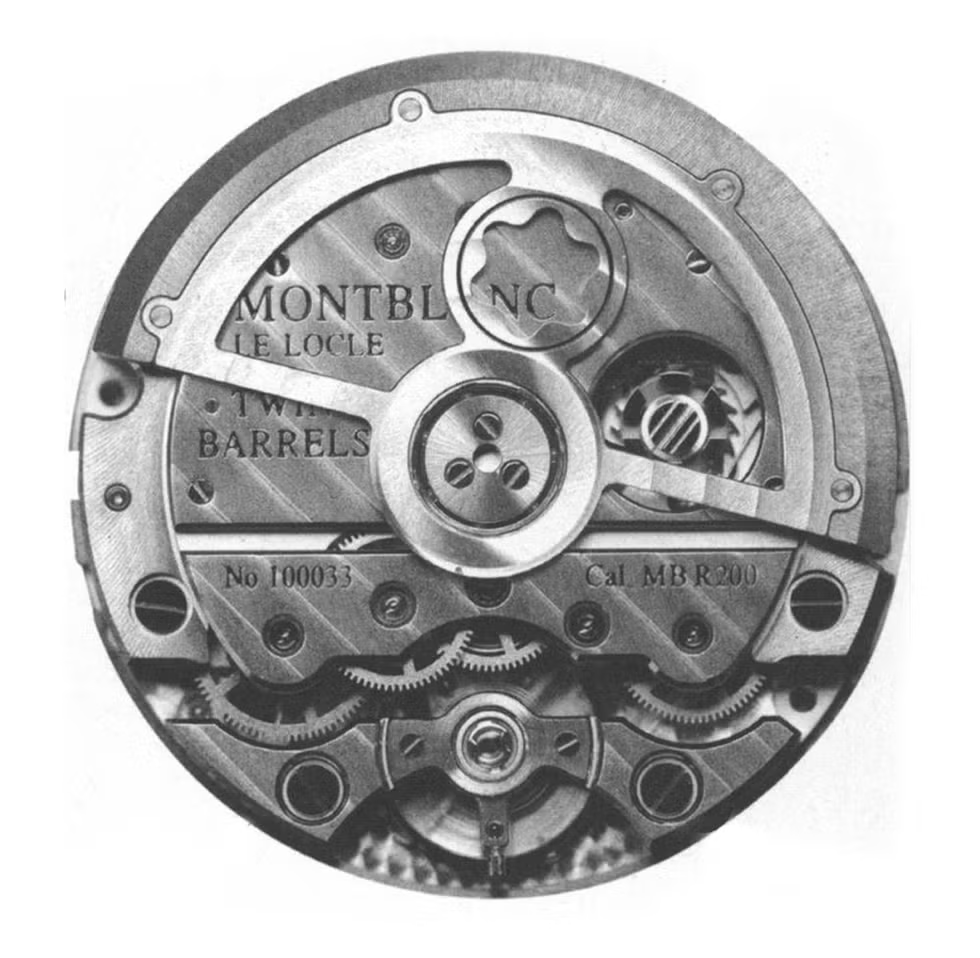
Fig. E
Measures intervals of elapsed time.
First appeared: 1822, created by the clockmaker to King Louis XVIII.
How it’s done: The movement drives a column wheel that starts and stops a second hand when the side button is pushed.
Shows how long the watch will run.
First appeared: As far as we can tell, 1948, in the Jaeger-LeCoultre Powermatic Caliber 481.
How it’s done: The barrel, which rotates with the unwinding of the mainspring, moves the hands of the indicator.