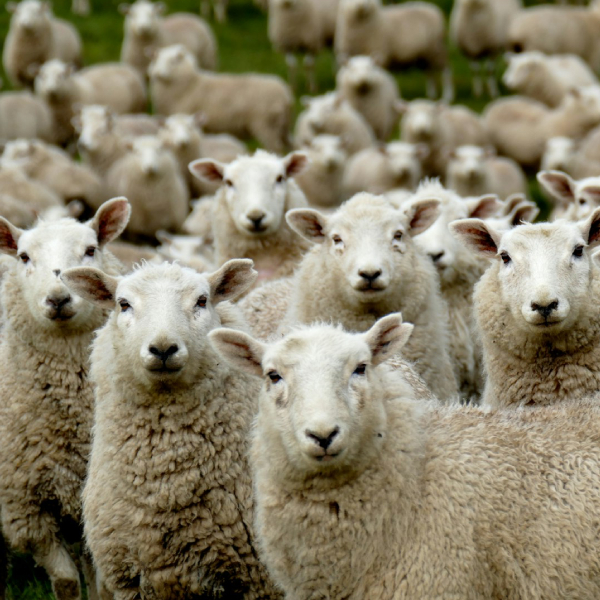
If we compare the myriad of choices that we’re offered today with what was available a century ago, it’s weird that we still follow trends. Of the possibly millions of TV series out there, not counting lifetimes worth of YouTube content (something like 360 hours uploaded per minute and growing), we default our browsing pick from Netflix’s Top 10.
It’s understandable. Curating requires time we can’t afford, and FOMO lives in us all to varying degrees. Products we’re nudged towards, narratives that dominate our feeds; all fall under these two primary motivations. Not to sound like a conspiracy theorist (again), but these aren’t accidents.
It’s a little uncanny how cultural obsessions, however genuine their origins, are increasingly absorbed in global tandem. Flavours of the season–from Diddy’s pursuits to the Epstein, and our reactions are nothing short of predictable.
We dogpile the individual and cancel the figurehead, while the machinery churns on undisturbed. The outrage is justified, but perhaps the target is wrong. We tear down a singular scapegoat rather than something largely systemic. And systems only change when people stop cooperating.
Modern society buys our compliance with the currency of comfort. Purchasing from local or independent producers cost more. Eating from responsible sources? Far less convenient. Recognising when options are designed to be irresistible is not cynicism, but clarity.
Again, the person favouring fast and cheap is not the enemy, nor the CEO of the big corp he consumes from. Instead of burning our energy condemning said folk, we could redirect that passion towards rejecting a spoon-fed life. The latter is arguably a longer-term solution.
We are powerful creatures endowed with the autonomy to accomplish what we set enough grit and discipline to. So why do we subscribe to the ongoing discourse that we have no authority over ourselves, susceptible to seamless services? We gladly relinquish our freedom rather than elect ourselves—excuse the cliché—captains of our own destinies.
If the rhetoric is true that only a handful of ultra-wealthy elites run the world, the best way to regain control would be to make more considered decisions. If social movements ultimately aim to destabilise and divide, the best opposition is to strive for harmony.
Rome was not built in a day, so neither can the world be changed in the same duration. In a time like this, quiet rebellions don’t go viral. But they will collectively, eventually matter.