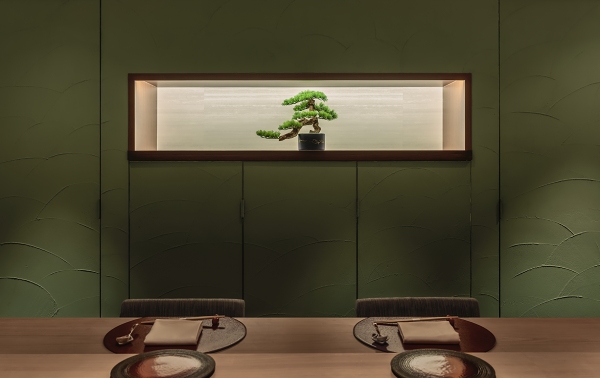
The restaurant is unassuming. It’s in the shape of a shoebox, but the first thought that comes to mind isn't the smallness of the space. At a glance, it looks as if every corner is either constructed of or plastered in wood. The amber spotlights from the ceiling aren’t as sharp as they could be. The earthy tan of the room synergises with them, implying a certain sense of comfort and gentleness, but even that feels insufficient in capturing how the space truly feels.
Eight chairs are tucked obediently behind a counter made from a rare, centuries-old hinoki cypress tree. At the end of the restaurant, there is a discreet curtain leading to a private dining room that seats six. This is information you'd never know unless you asked, because Shoukouwa isn't one to do things for recognition. They do it simply because of the high standards they've set for themselves. Standards that are quantifiable through the two Michelin stars they earned just months after opening in 2016, and have kept for over 10 consecutive years.
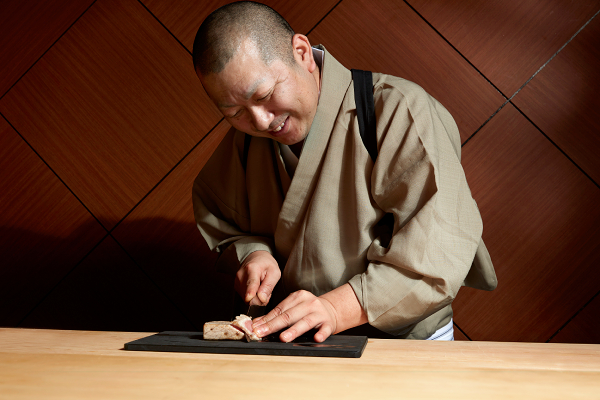
The main culprit behind this success stood behind the counter. As I took my seat, his head remained down, hands moving deftly back and forth in a way I can't fully comprehend. Head Chef Kazumine Nishida is, in many ways, an extension of Shoukouwa. And what Shoukouwa is, is a restaurant specialising in Edomae sushi served in an omakase format.
Everything, therefore, naturally begins and ends with its most important ingredient.
The restaurant uses Chef Nishida's proprietary blend of Shimane and Gifu rice. The former lends it fluffiness, whilst the latter imparts a glossier finish and chewy mouthfeel. To ensure these qualities are felt to their highest possible degree, fresh vats of rice are periodically brought from behind the kitchen to Chef Nishida's hip. This ensures the rice is kept at an optimum temperature, akin to the warmth of the human body.
This freshness translates to the seafood it uses as well. Shoukouwa’s ever-evolving menu is dependent on the produce available at Tokyo’s famous Toyosu Market, which is then flown in four times a week.
From my visit, I had the Hana lunch menu, a perfectly balanced 14-course experience which covers the breadth of the Edomae experience across both ends.
For the uninitiated, the Edomae method of preparing fish was conceived during a period when refrigeration was unavailable. Chefs had to develop specific techniques that often involved flavour enhancements as a means of preservation. Think marinating in soy-based sauces, curing with salt and vinegar, regulating humidity and temperature to ensure pristine ageing, and the like.
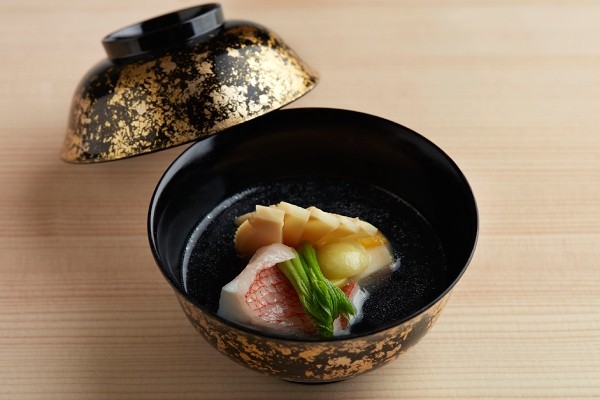
The folks at Shoukouwa like to get cooked food out of the way. The meal began with Kinki, a clean konbu dashi soup brewed with delicate rockfish and seasonal vegetables to open the palate. Kegani followed, the flesh of the hairy crab painstakingly harvested and placed unassumingly into a bowl, forming a mound for a dollop of caviar to sit on.
Then came the mains. Chef Nishida first handed me the Sayori (needlefish), unmistakable for its translucent silver flesh. It looks as delicate as it does ethereal, and its taste backs it up. A dab of ginger is pressed between fish and rice, adding a bright, aromatic profile without overpowering the fish's gentle sweetness.
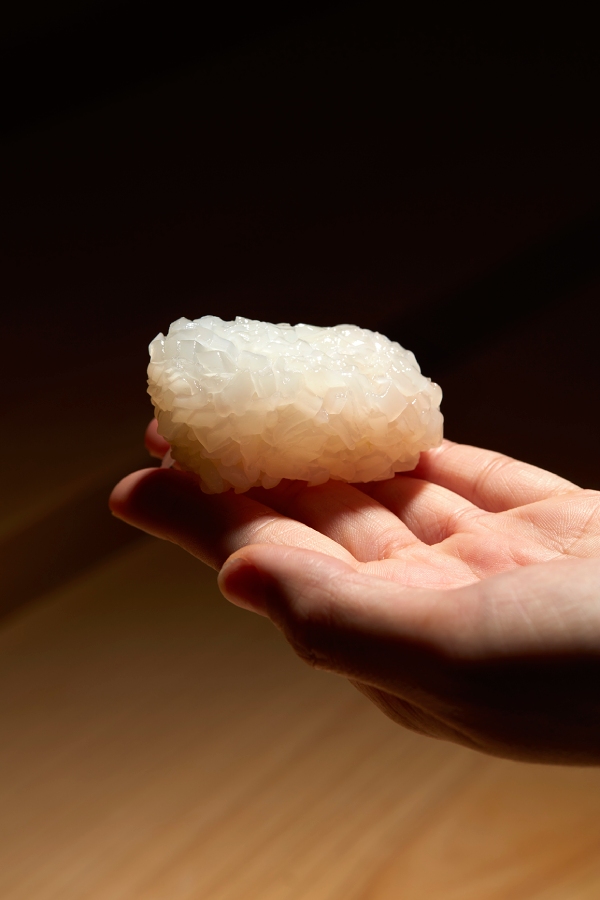
Shiro ika (white squid) is finely chopped until it resembles beads of rice. Place it atop an actual bed of rice, and you'll actually have to squint to find a difference. The squid is expectedly sweet, naturally so, with a slightly firm, and snappy mouthfeel. But the star here happens to be the rice. Chef Nishida's proprietary blend shines as bits of squid and rice swirl in tandem, the slight aroma of vinegar cutting through the neutral flavours. The bounce of each rice bead corresponds with the springy squid.
Another standout is the Sakuramasu (cherry blossom trout), which stacks a block of ponzu jelly atop trout and rice that melts in the mouth, coating the tongue in a bright, floral flavour, and adding a unique dimension to the bite.
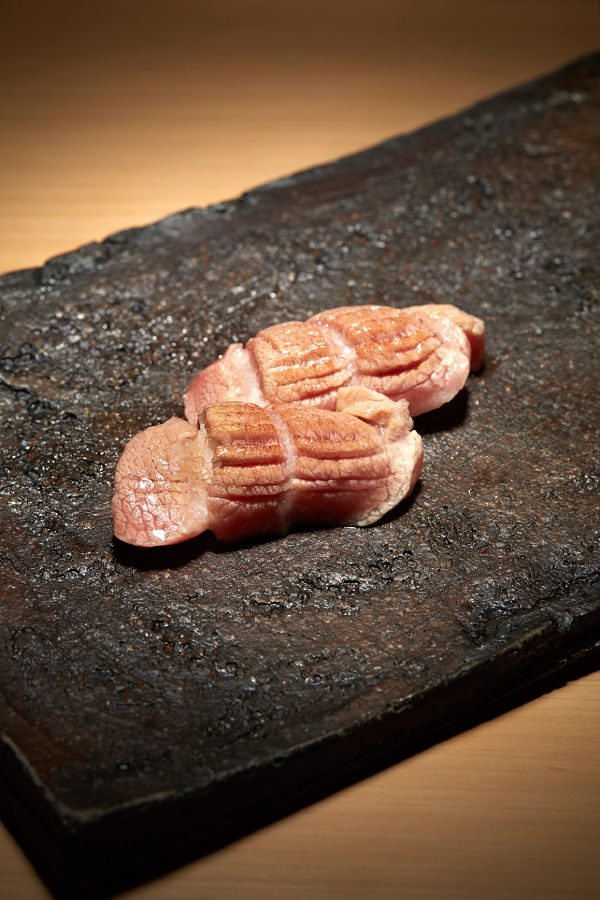
Meanwhile, Toro, the highly prized fatty belly meat of the tuna, was served in two different ways: first raw, then grilled. Whilst the former allows the gentle warmth of the rice to melt its fat upon contact, the latter draws out its fat aggressively over charcoal smoke, letting its drippings inflame an even greater buttery flavour.
By the time I drew my last bite, I was not left to tiredly pick up the residual flecks of gluttony that usually plague me after heavy meals. My mind was unburdened, free to gather my thoughts on the meal and the space I was in—which eventually led me to an answer surrounding my initial uncertainty about the restaurant's ambience. The space, much like the food it serves, is gentle, yes. But that gentleness is simply a cog working towards achieving Shoukouwa's goal of tranquillity: free from disturbances or worry. A state of calm and comfort that permeates the mind even as I recall my experience to write these words.
Shoukouwa is located at 1 Fullerton Rd, #02-02A One Fullerton, Singapore 049213