Listening to Jongjin Park describe his work and the process that led to it, one could easily be transfixed by the sheer complexity and the mind-boggling way the work was materialised. The South Korean ceramic artist is the latest winner of the Loewe Foundation Craft Prize with his work, “Strata of Illusion”.
“Because I want to make ceramic art; I don’t want to make paper pieces,” Park tells us. Anyone listening in mid-way through his explanation would probably find that an odd statement to make. Yet, looking at “Strata of Illusion”, it’s highly improbable one would immediately be able to grasp the full complexity of the work. Built almost literally brick by brick, layers of folded, coloured paper are stacked atop one another, appearing to be glued securely together even as the form folds inwards, seemingly due to the weight of its compounded material. But as its name suggests, what you’re looking at isn’t paper—at least, not quite. Park rests his hand on his work as he talks about it; solid as a piece of ceramic, because that’s exactly what it is, despite the fragile appearance.
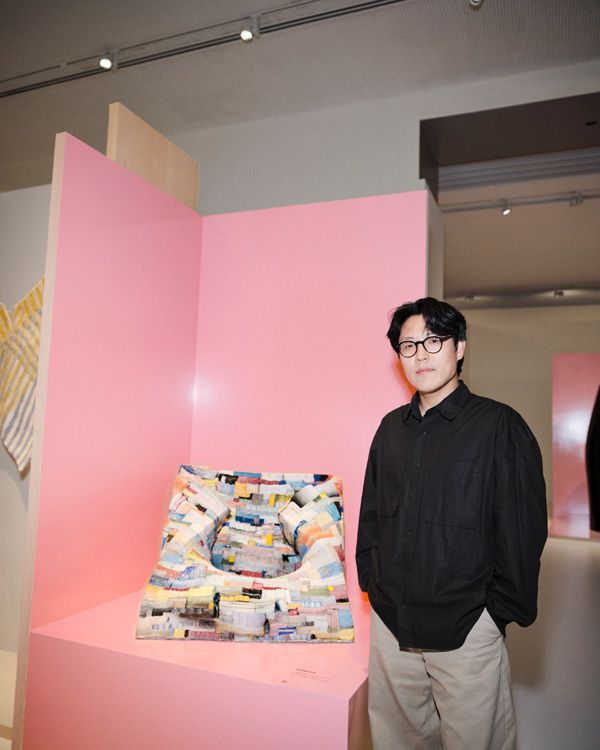
To craft both an optical and a sensorial illusion, each coloured foundational block of the piece was actually composed of paper. Sheets of paper were coated with porcelain slip tinted with hand-mixed pigments, then shaped, folded and compacted to form a rectangular structure. Once the full desired structure was completed, it was left to dry before being fired in the kiln. What’s left are essentially ceramic imprints of the sheets of paper burnt away during the firing process that had also warped the shape of the structure. Park then refined the surface and structure with grinding tools. The result? A Craft Prize 2026 winner.
“How do you get porcelain to become liquid to then soak paper to then fire it, so the paper disappears, and then the porcelain becomes… it’s so crazy to me. The whole thing is just like, that’s craft,” expresses Lazaro Hernandez, one-half of Loewe’s duo of creative directors. Jack McCollough echoes Hernandez’s amazement, noting the tension between the fragility and strength of the piece. Hernandez and McCollough were both invited by Sheila Loewe, president of the Loewe Foundation, to join the jury for the first time for this edition of the Craft Prize—another debut for the creative directors who showed their first Loewe collection in October of last year. They both pulled back (just a bit) the curtain on what went on as part of the jury, sharing that several secret ballots were involved in the deliberation process, and Park’s work was “a crowd favourite from the get-go”.
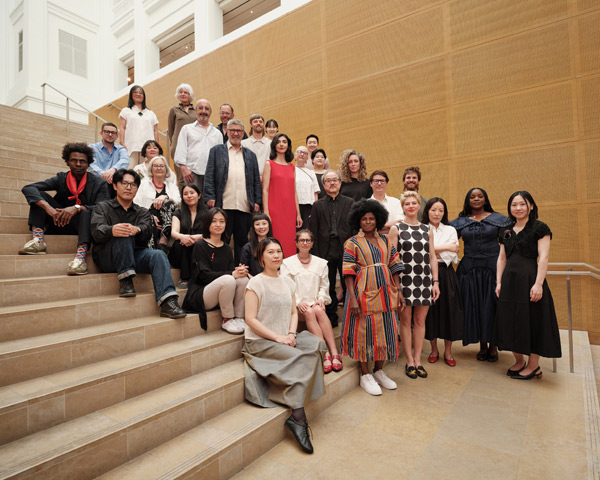
This year’s Craft Prize saw over 5,100 submissions by artists from 133 countries and regions—the most it’s received yet. It’s the task of a panel of experts to carefully look through every single one and whittle the number of submissions down to the 30 finalists. A number of the panel members were former finalists of previous editions; Anatxu Zabalbeascoa, the executive secretary of the Loewe Foundation Craft Prize Expert Panel, was the only one who served on both the expert panel and the jury that deliberated on the eventual winners. “The selection highlights how craft today moves fluidly between art and making, combining cultural perspectives, technological and pre-technological knowledge, and diverse approaches to material and form,” Zabalbeascoa says in a press release. The 30 finalists represented 19 countries and regions (including Singaporean bookbinder Adelene Koh) and worked across a range of media, including ceramics, textiles, furniture, glass, metal and more. And with such a wide breadth of artistry, naturally, judging was no mean feat.
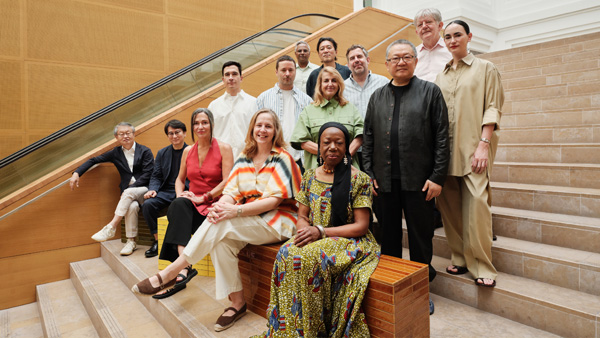
"All the jury members, including ourselves, we all kind of judge something based on something completely different,” McCollough offers. “One person's judging something based on the way they're constructing and making something, whereas another jury member might be looking more at the cultural significance of the work; someone else might be looking more at the storytelling of the work. So it really is such a great mixture of people, a lot of different opinions and voices.”
We ask Minsuk Cho, a three-time member of the jury, if there was something in particular that he looked out for. “What could be called as ‘contemporariness’,” he answers. “Why is this relevant and how does this address what is happening in this world?” Cho was one of a number of architects that made up the 14-strong jury, and it’s not that surprising considering that architecture is often considered a multidisciplinary practice. Cho himself, a Golden Lion winner, was part of Loewe’s 2025 participation in Salone del Mobile, where he worked with Korean ceramic artist Minwoo Chae to reimagine the teapot.
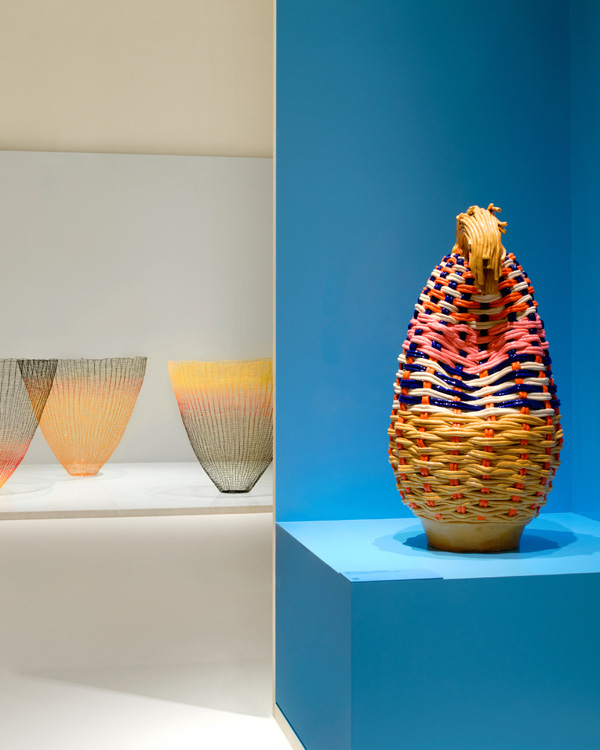
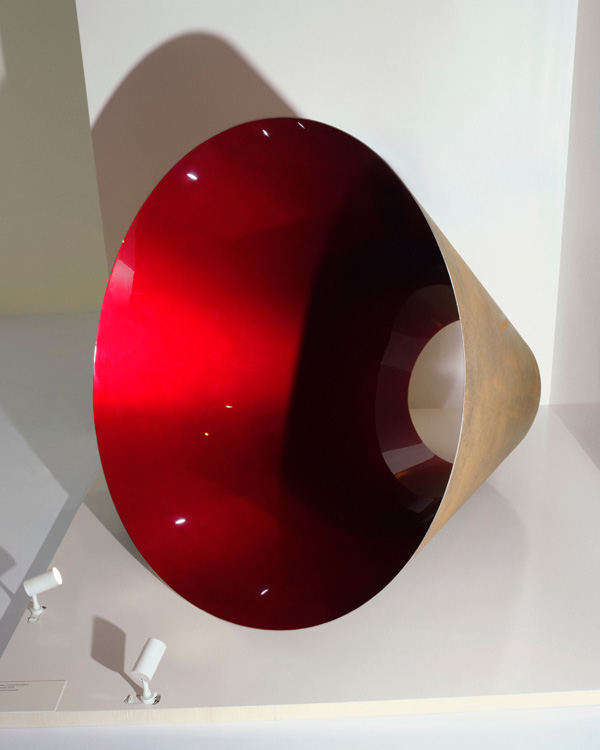
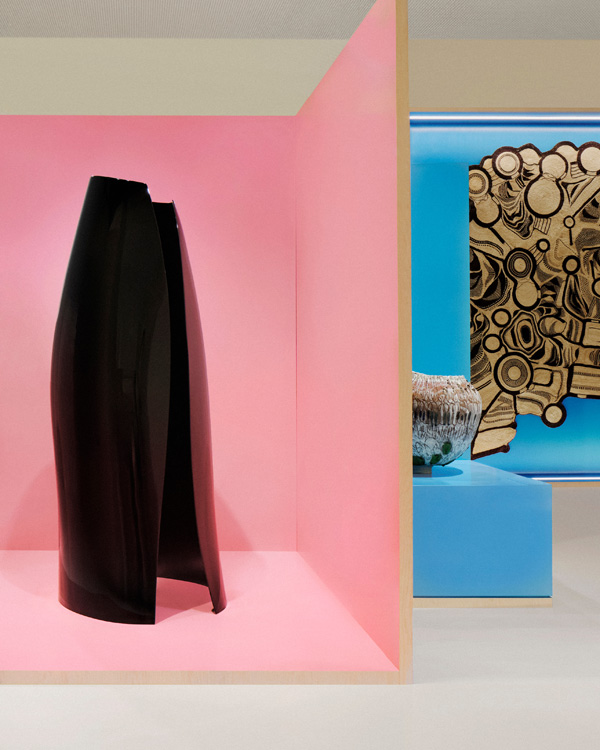
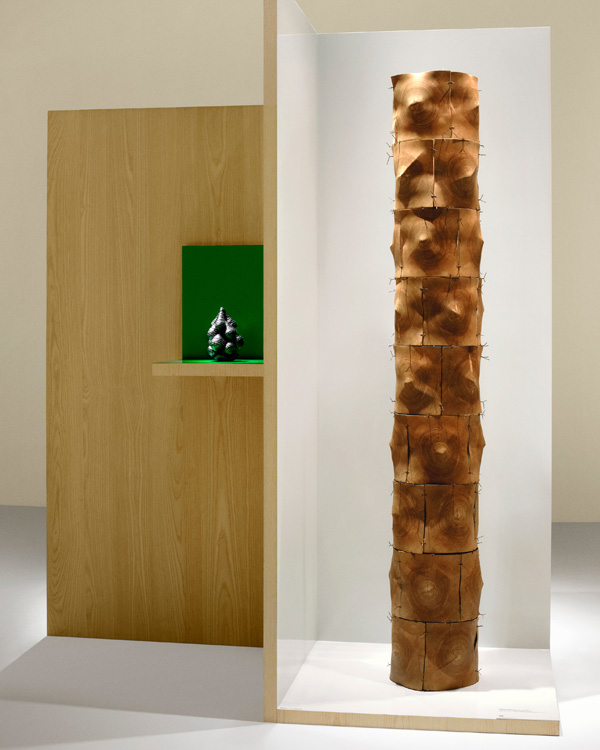
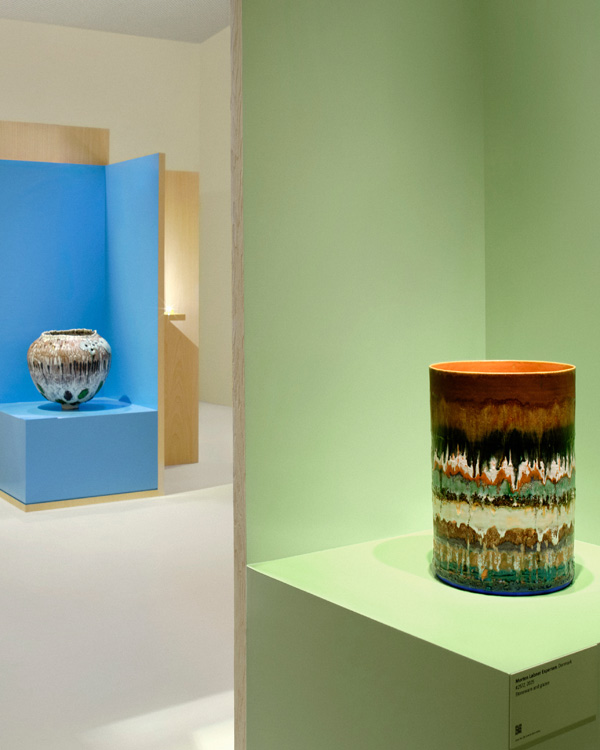
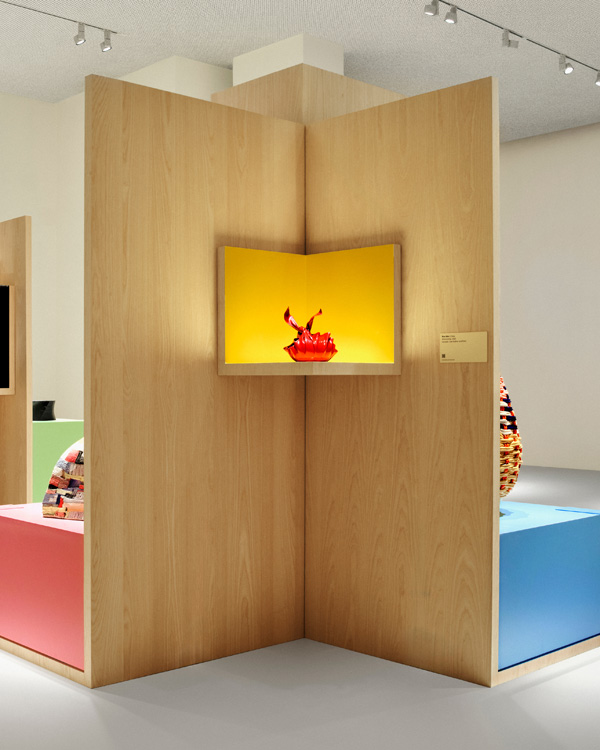
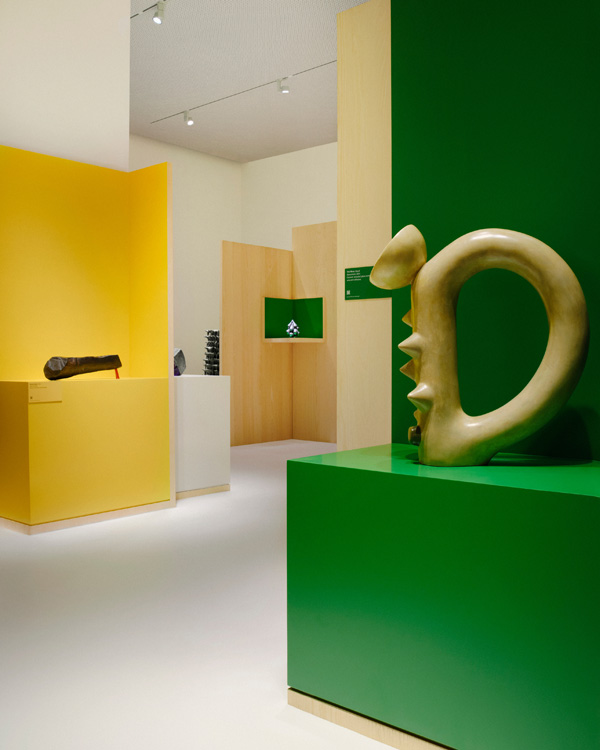
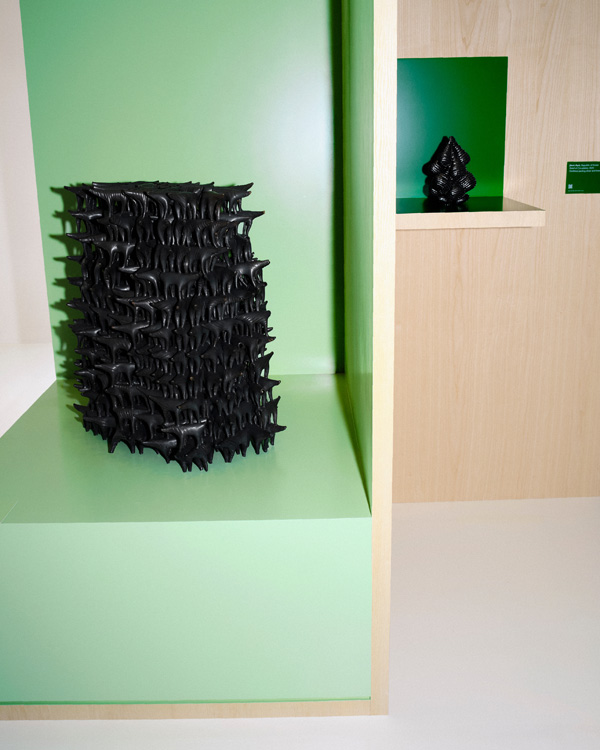
What was apparent throughout our conversations with Cho as well as the Loewe creative directors, was that Park’s work challenged and surprised them. Having only seen the work of the finalists digitally before the final deliberation in Singapore, it wasn’t until encountering the work in person that Cho fully understood the piece. “It’s similar to architecture, where you have to be there. You have to physically be present to experience the work with all your senses. So I was very pleasantly shocked to have my first very limited perception of the work through image, expand my expectation of what clay can do,” he says. That, perhaps, is the true magic of craft—something that cannot be fully comprehended without utilising actual human senses.
For nine editions now, the Loewe Foundation Craft Prize has continued to not only highlight the work of craftspeople and craft from different parts of the world, but also the value and importance of craft as a whole. In the age of rampant use of AI user-generated content, craft represents what no artificial replicas of human skills can generate: the human touch. Nuanced imperfections and flaws are marks of the human hand striving for perceived perfection, and it’s through them that emotions are often invoked.
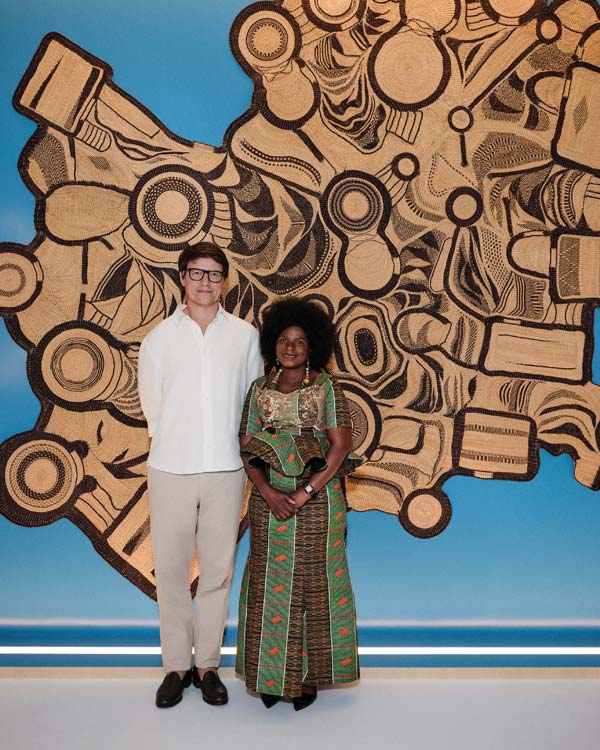
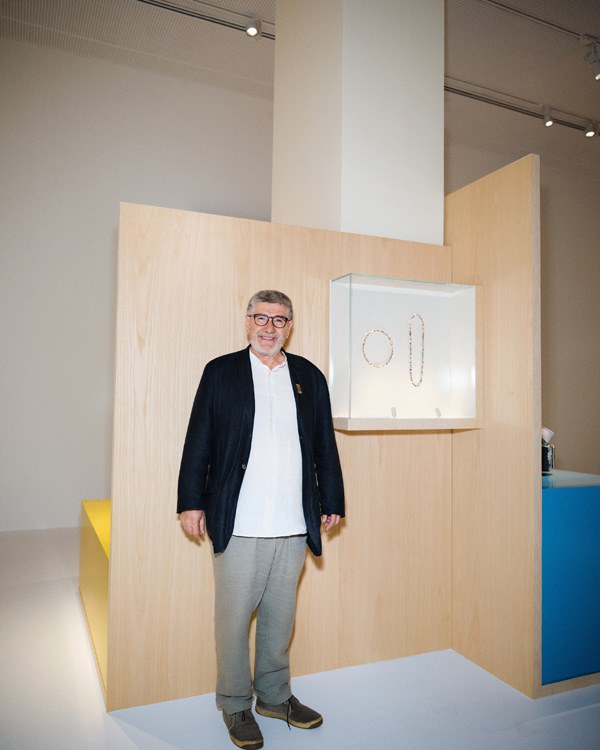
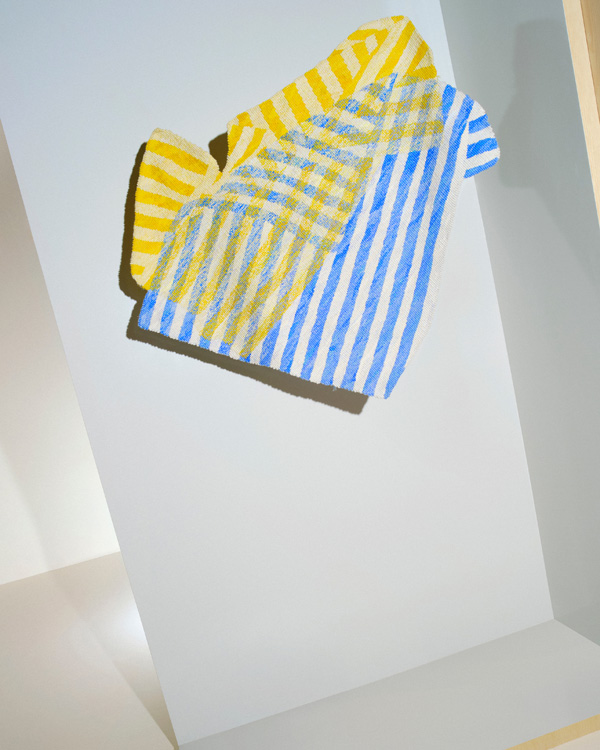
As per previous editions, while Park was named the winner of this year’s Craft Prize, two special mentions were also awarded. A pair of jewellery pieces crafted from thin sheets of gold and decorated with painted niello by Graziano Visintin of Italy, and a collaborative effort between Ghana’s Baba Tree Master Weavers (represented by Mary Anaba during the ceremony) and Álvaro Catalán de Ocón of Spain featuring a massive tapestry woven with natural and dyed elephant-grass, were both given special mentions. All three may differ in techniques and materiality, but the tireless work of the hands behind them is what ties them all, and the rest of the finalists, together.
Loewe, as a brand is celebrating its 180th year, and that also means celebrating 180 years of it championing craft. It’s in the very essence of the brand that started out as a collective of Spanish craftsmen in 1846. This year, the Loewe Foundation will further cement its commitment to craft with an initiative aimed at furthering its support for the alumni of the Craft Prize. Three two-month artist residencies will be created in partnership with luxury travel brand Belmond, held at La Residencia in Mallorca, Spain. The hotel itself is located within the artistic community of Deià, and the residencies will offer the selected artists the opportunity to create new work in dialogue with Spain’s cultural landscape.
“Craft is something that’s done by humans—I think that’s very important,” Cho says. “I think craft becomes more and more relevant in this digital age, where we have this dominance of the visual senses. It allows us to be better humans.”
The Loewe Craft Prize 2026 exhibition is currently running at National Gallery Singapore until 14 June 2026. Admission is free.