We get it. The moment we adopted oversized, wide-cut-everything as part of our wardrobe, there’s no turning back. Why would we, when an oversized fit is forgiving and conceals everything that Ozempic removes? But done wrong, or at the very least, not in a way that complements the body’s proportions, an oversized fit could work against you.
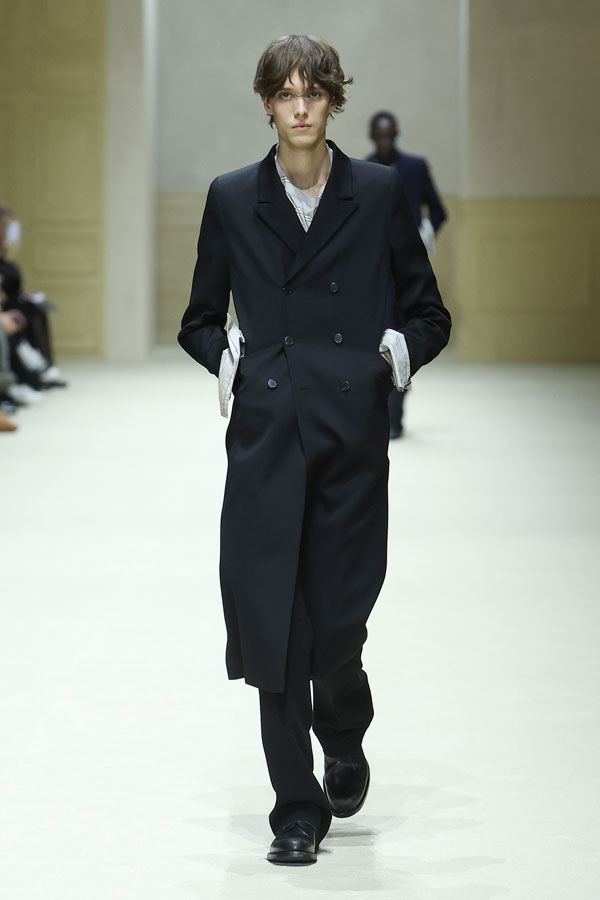
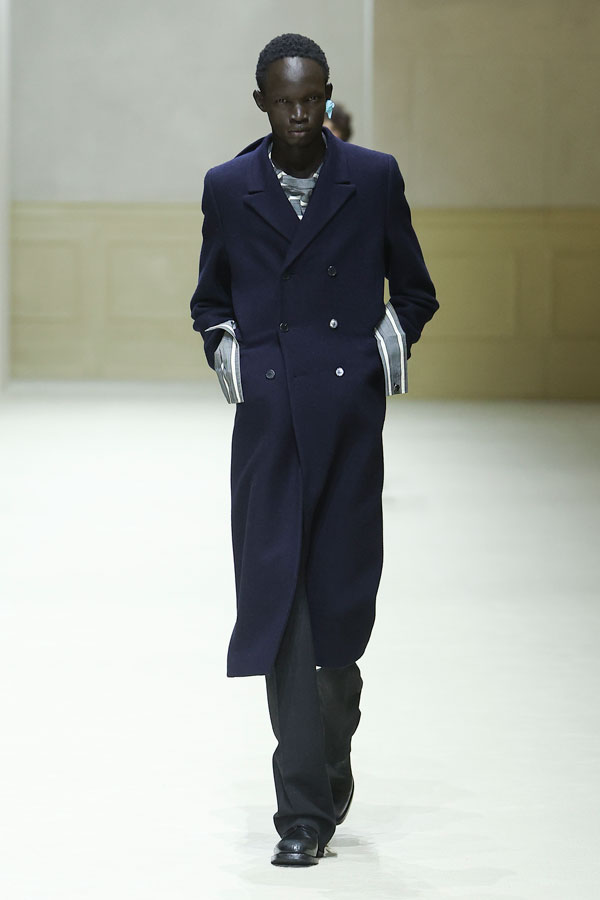
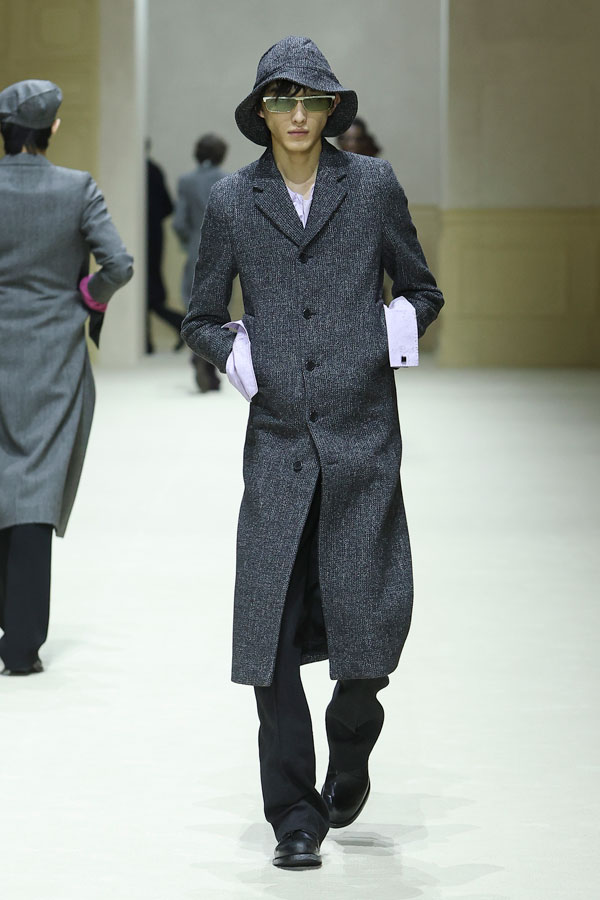
Like it or not, we’re, slowly but surely, moving towards a slimmer cut. And while it doesn’t mean that you have to adopt it straightaway, it’s a reminder that sometimes, a well-fitted silhouette helps, especially as we head into the colder months.
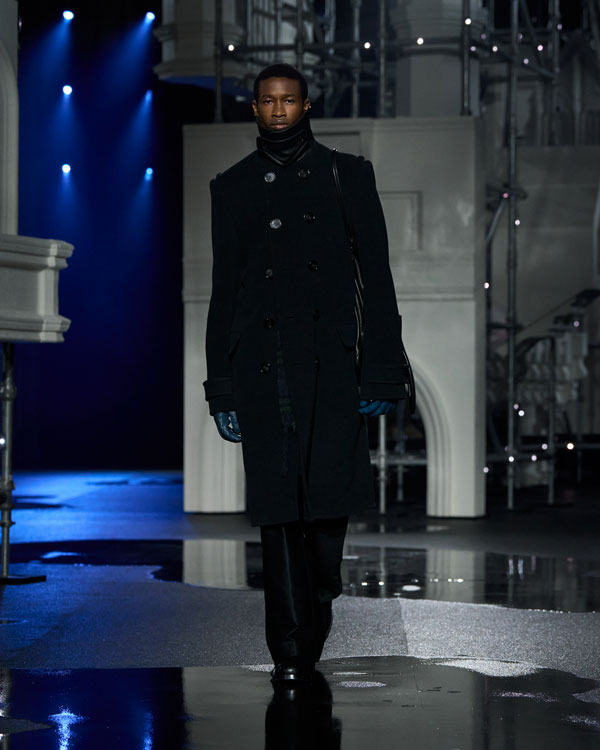
If your go-to winter vacation outerwear is a voluminous coat that allows you to pile layers under it, it’s time to, perhaps, invest in a slimmer-cut coat of midi length. While the temptation to release all those pent-up desires of finally being able to wear multiple layers at once, the truth is: no one likes looking like a sack.
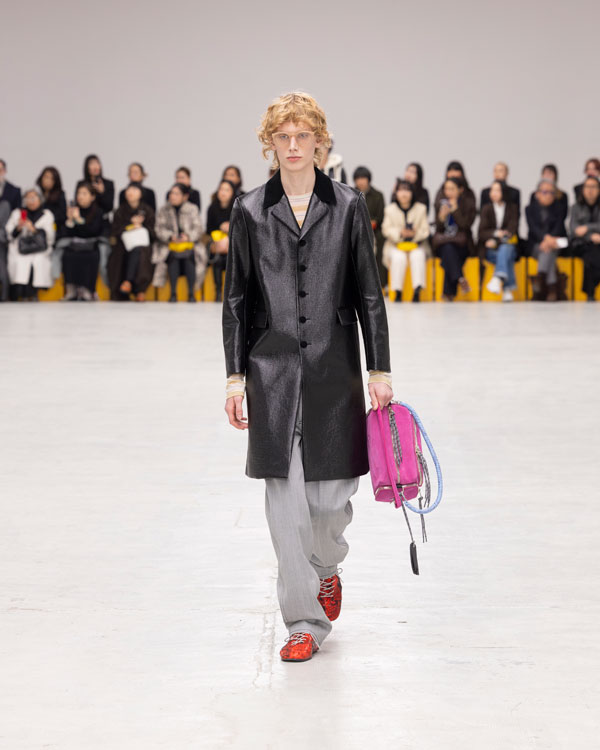
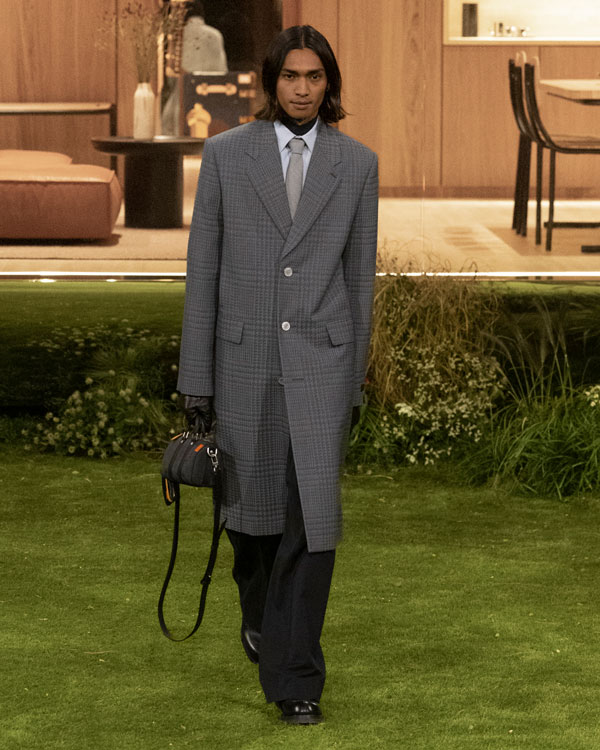
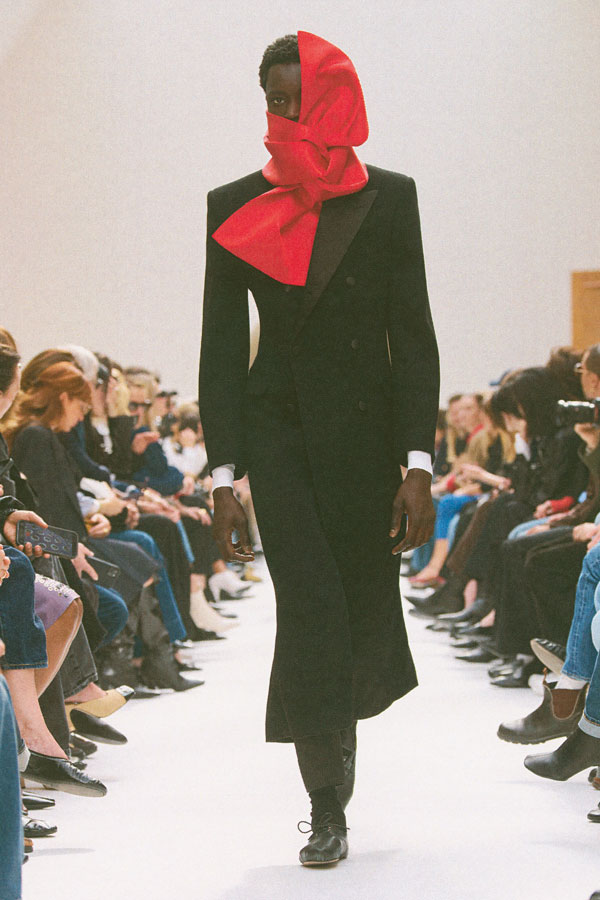
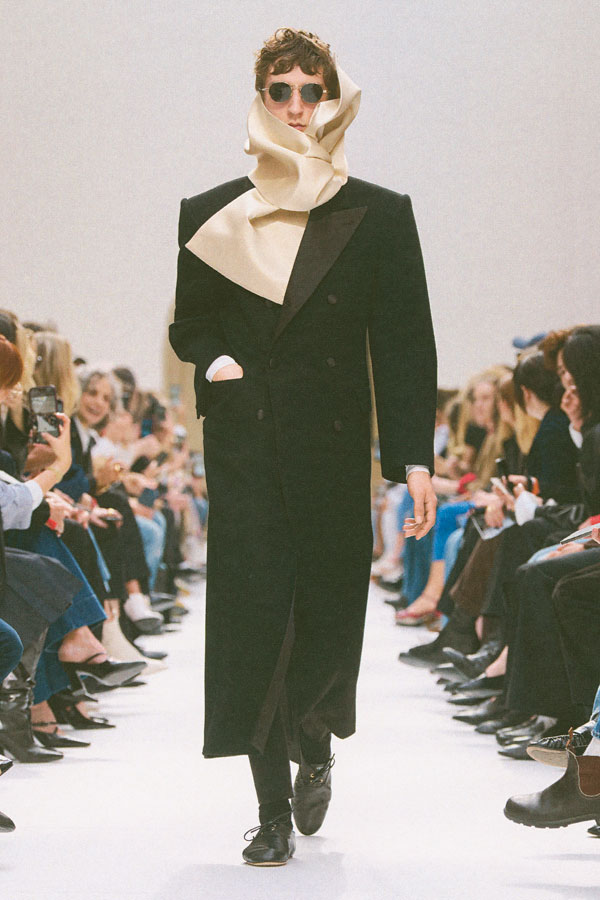
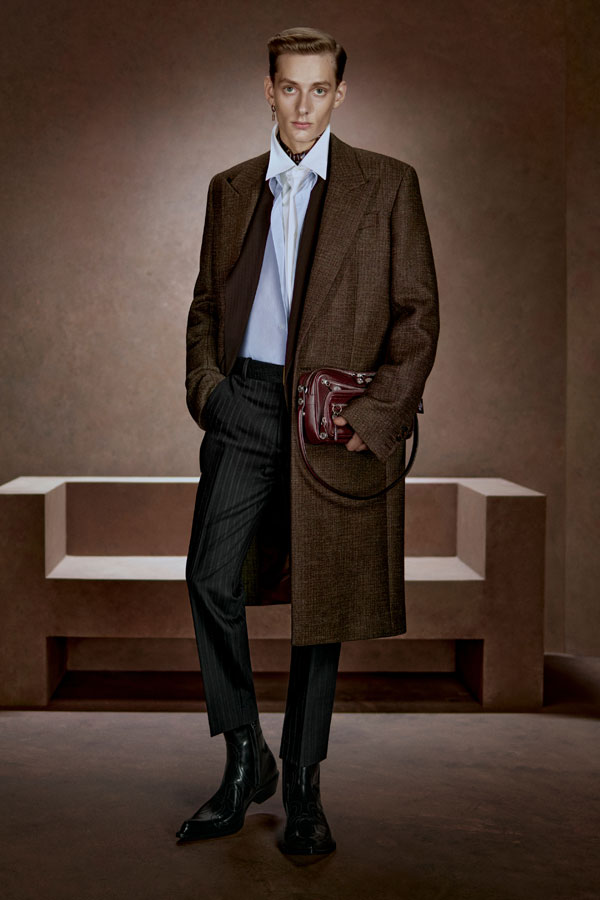
Prada does it exceptionally well this season with their slim, long coats that give the illusion of a more statuesque appearance. The easy approach is to reach for a coat that cuts slightly below the knees, and preferably a single-breasted (double-breasted coats tend to add visual weight). Pair them with slim-cut trousers in a colour close to the coat to further lengthen the silhouette. The idea is to look tall and slim without actually being one or the other. Hey, we all have physical challenges and should be able to use fashion to overcome them.
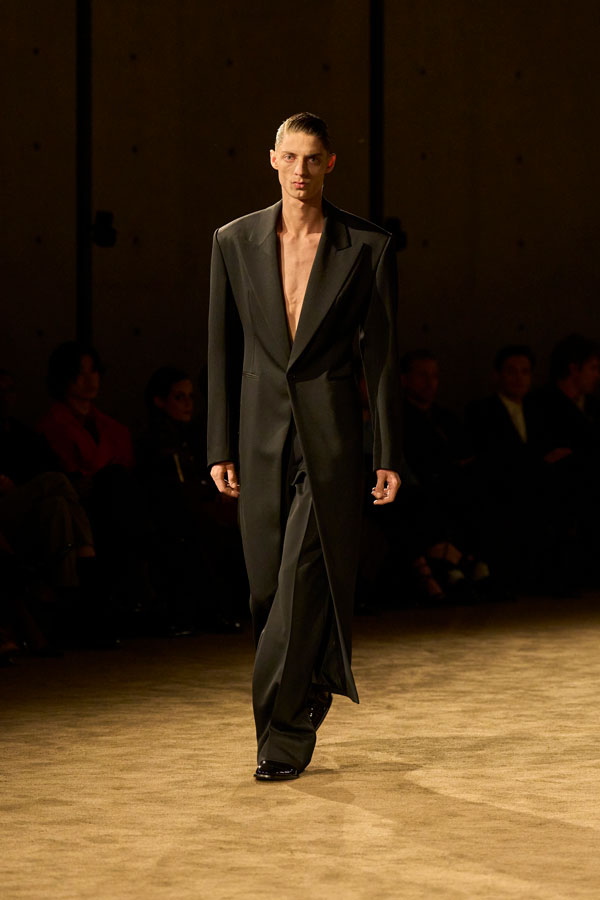
If a going-out top is one of the things to level up your style quotient, Demna feels that the body is the very foundation of looking good. He’s not wrong.
Gucci’s Autumn/Winter 2026 collection (or Gucci Primavera as it’s called) is the creative director’s official debut runway collection. It’s not unlike what we’ve seen from the man leading up to the collection, as he crafts a Gucci that’s relevant to a new identity that speaks to a wider audience. And most importantly, a Gucci that drips with sensual energy.
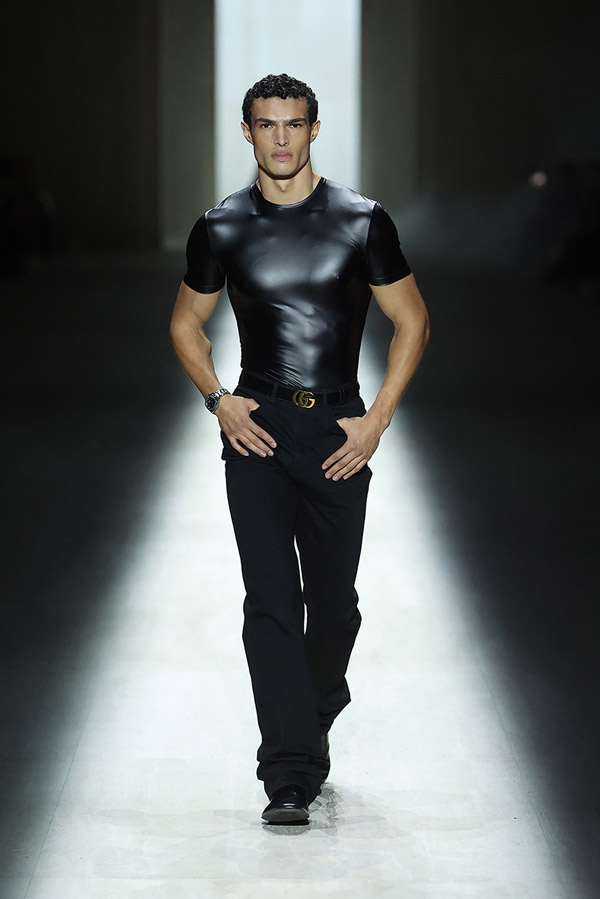
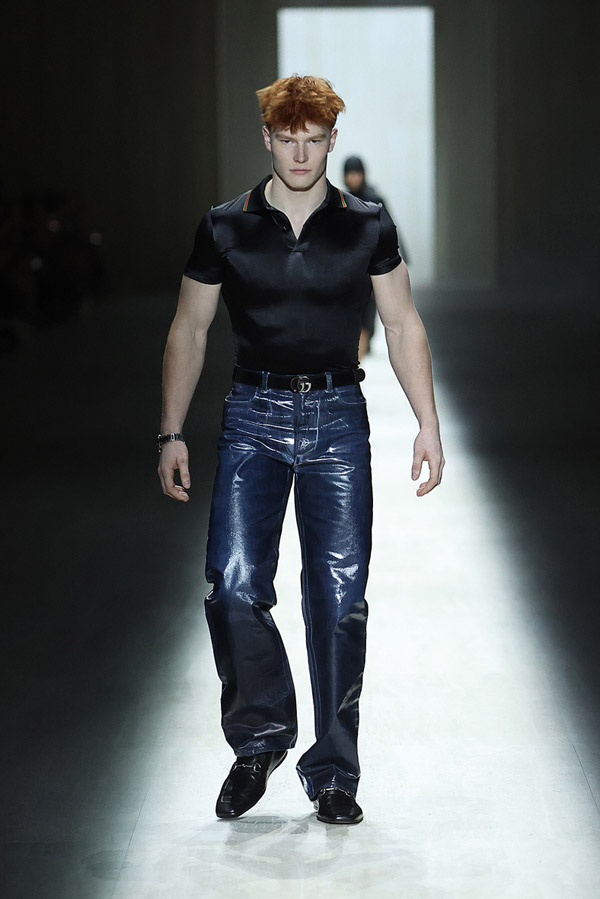
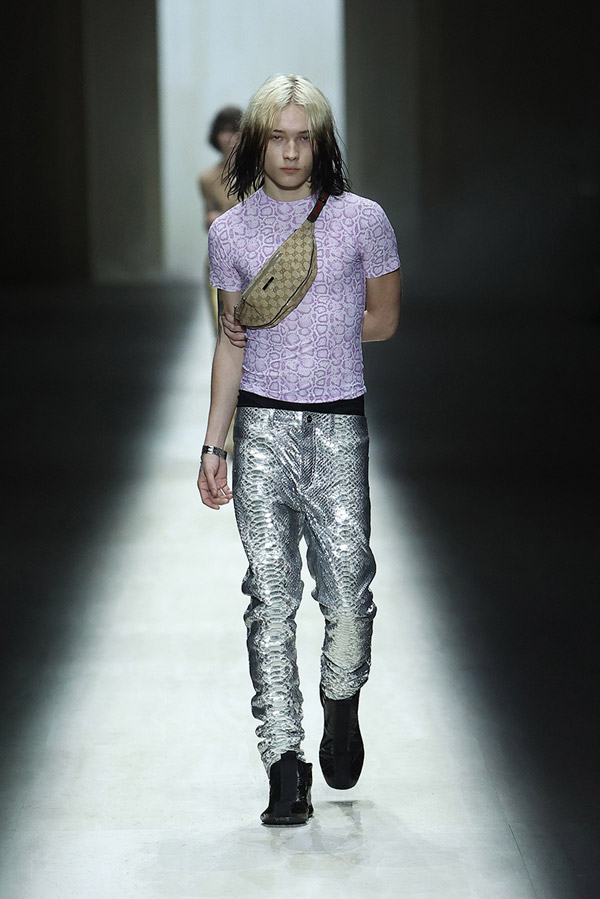
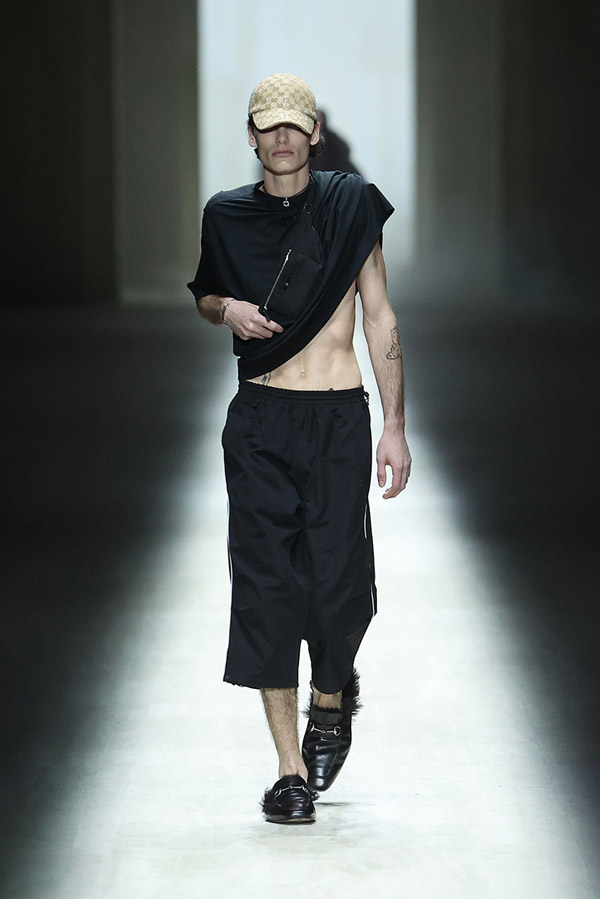
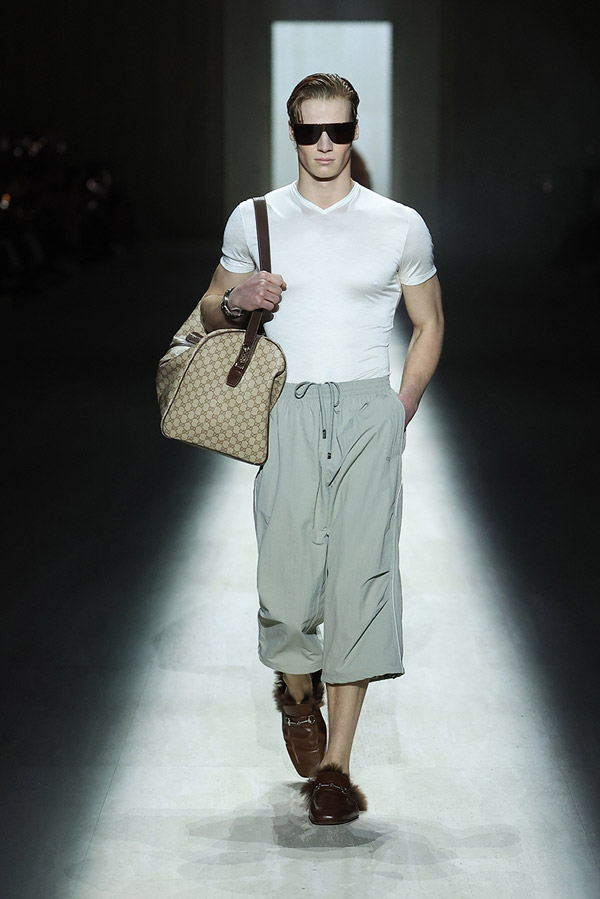
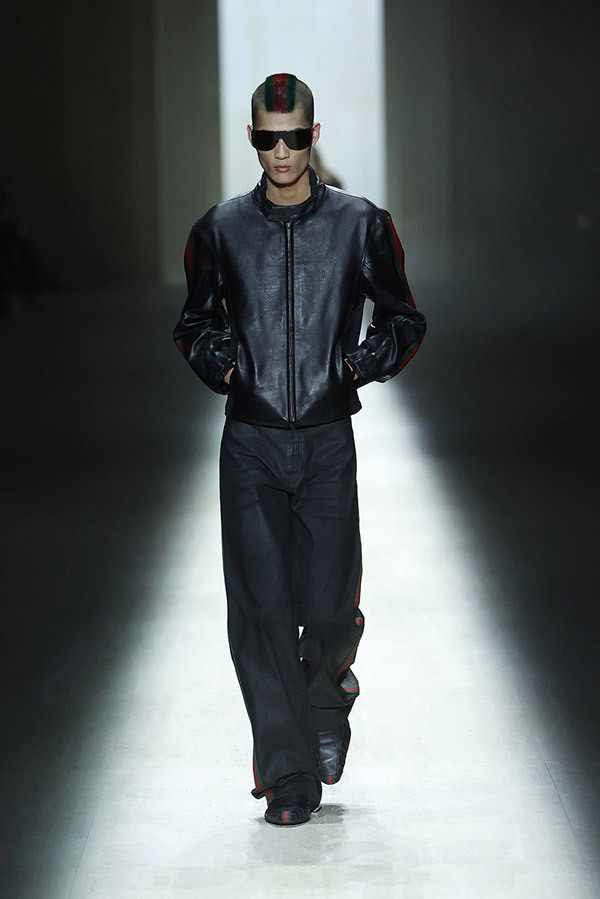
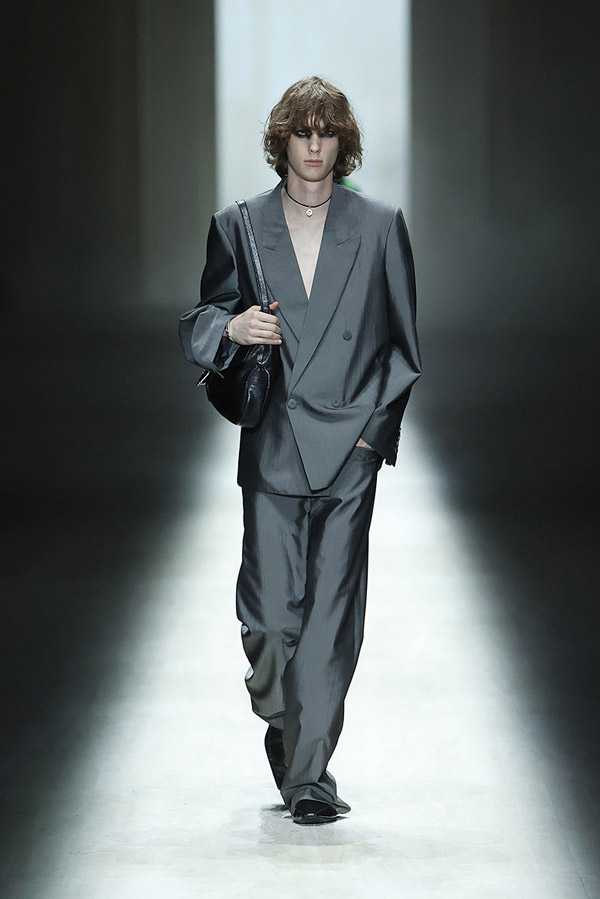
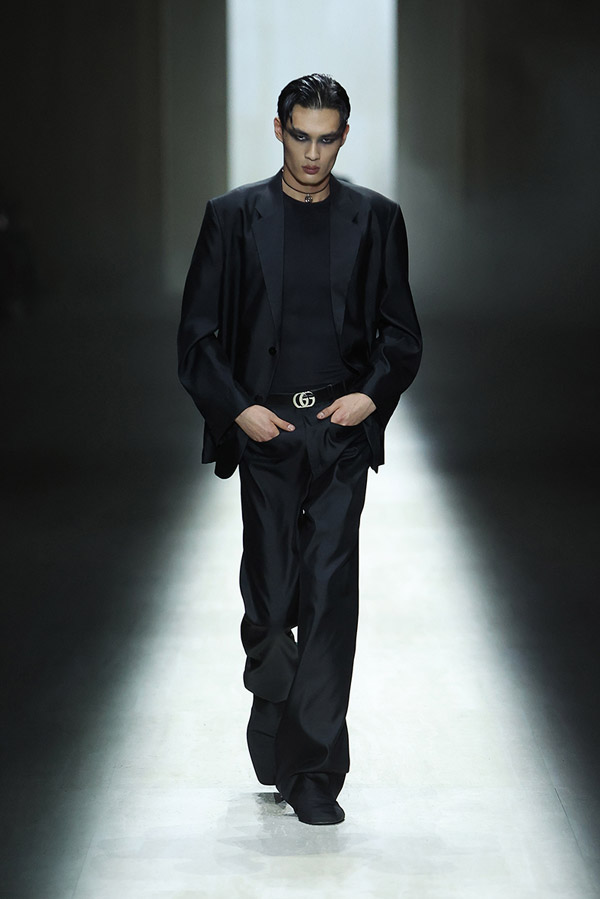
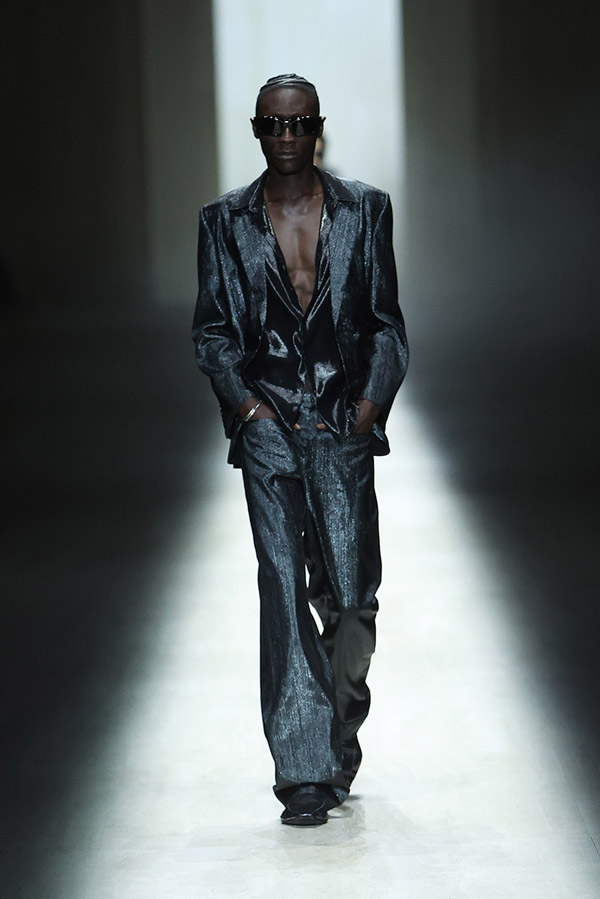
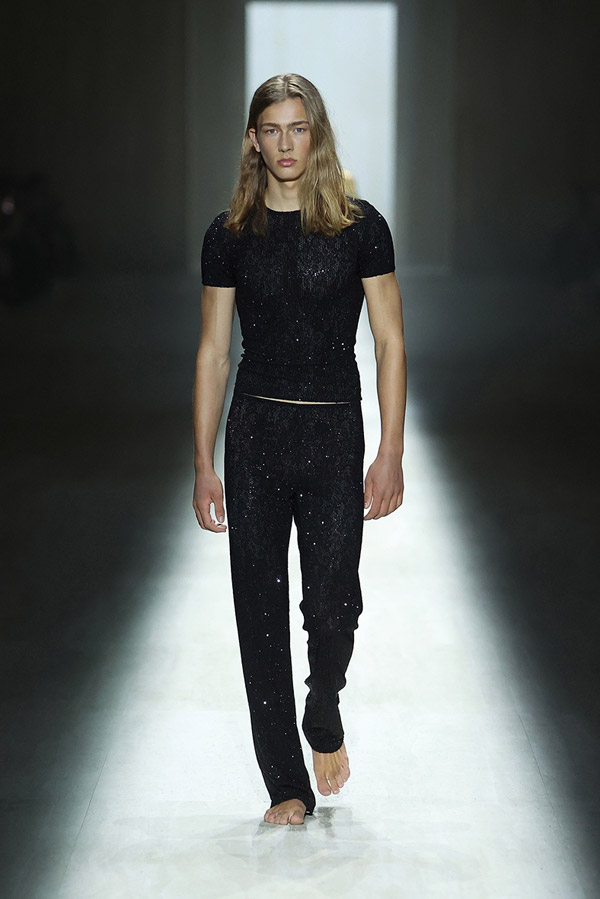
The main takeaway from the collection is that the fit is... well, fitting. Almost every look in the collection is an intentional display of every curve of one’s body, especially the top half. Demna brought back the masculine machismo of the early 2000s with bulging muscles spilling out of tight tops, and a design simplicity that uses the body as a canvas. In other words, let this be the impetus for you to hit the gym a bit harder each time for maximum gains. Because the fit is not it if you’re not fit.
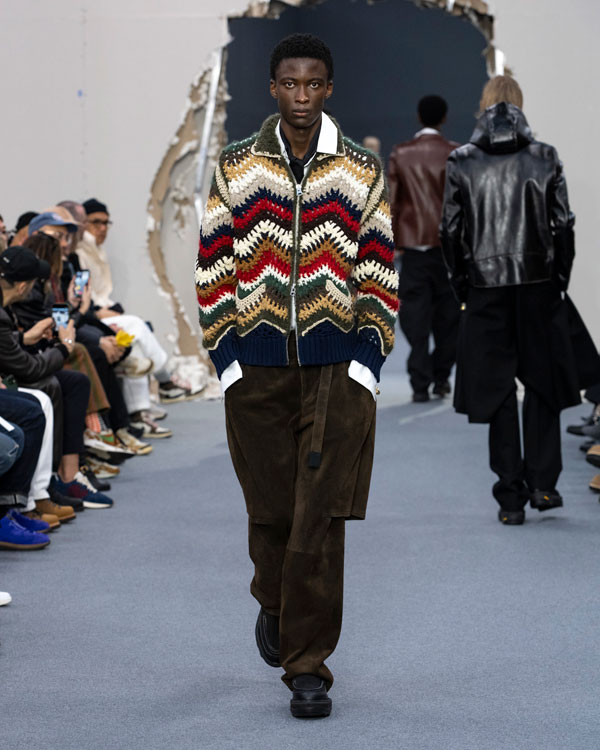
The Dries Van Noten Autumn/Winter 2026 menswear collection has all the trappings of classic design tropes by the brand. The colours are rich, the prints are mesmerising, and the styling is as impeccable as it’s always been. What you’d notice from the collection’s line-up is the deft use of clashing prints, colours and textures to form an outfit. There’s this feeling as though the brand’s raided an elder’s wardrobe—a very stylish one at that—and decided to wear all that could be found inside.
It is this grandfather-esque (it’s often referred to as “grandma” but seems rather sexist to relegate the flack to a gender) aesthetic that’s a growing result of thrifting and buying pre-loved items. Seemingly incongruent garments are worn together to create an eclectic outfit that typically calls to an older period. This season, it’s seen through a decidedly ’80s mix, rendered with geometric knits and a palette that sits between soft pastels and deep, warm hues.
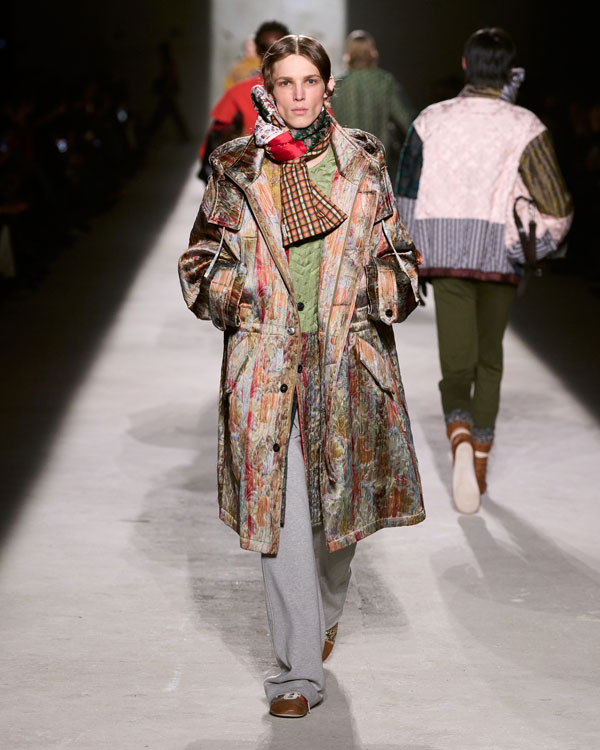
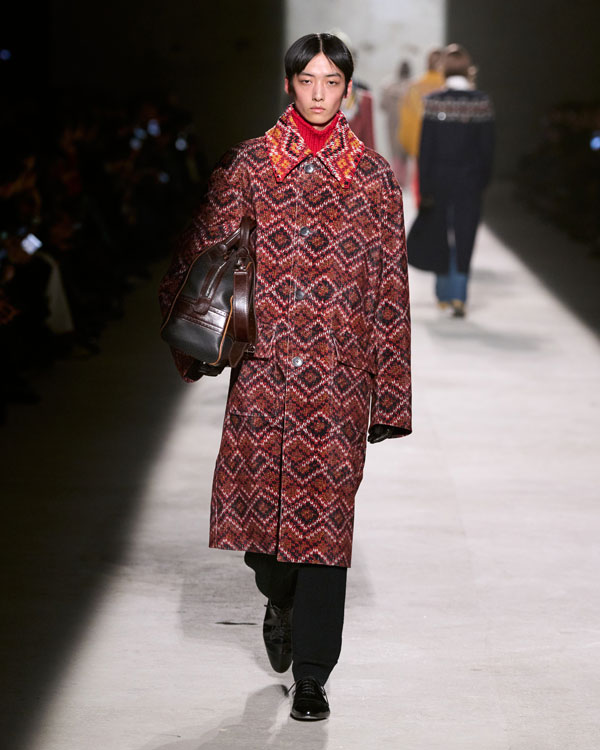
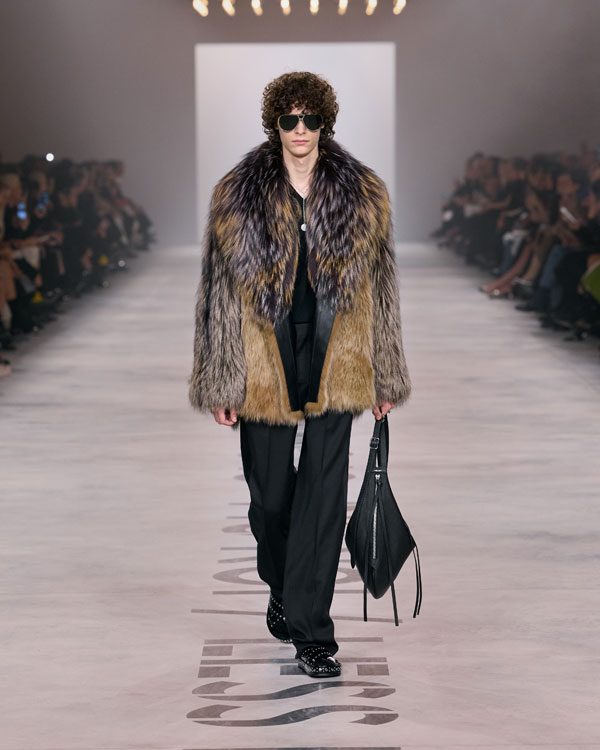
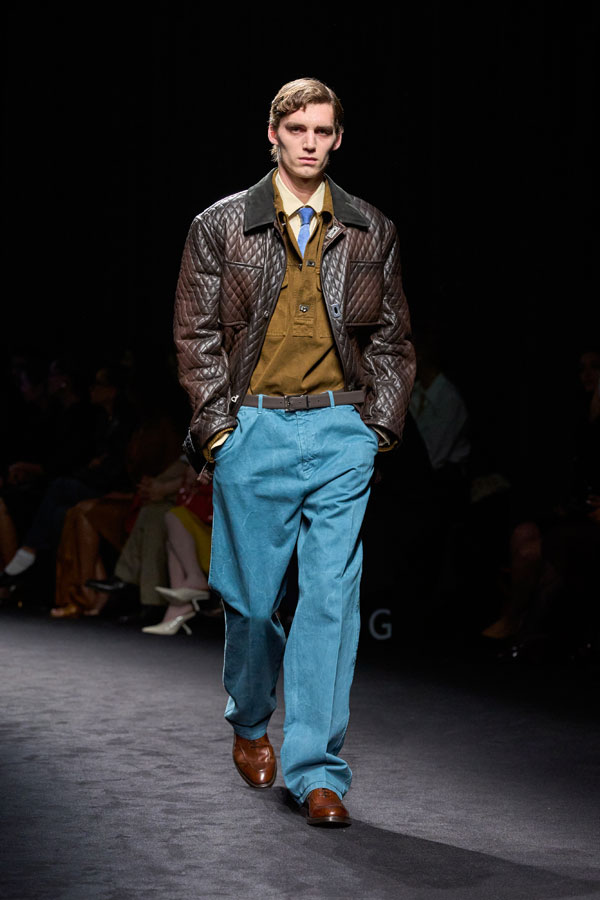
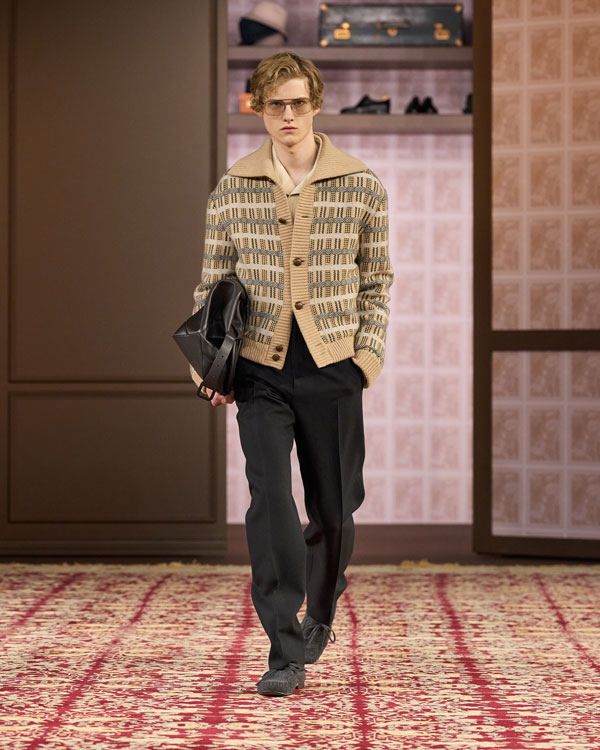
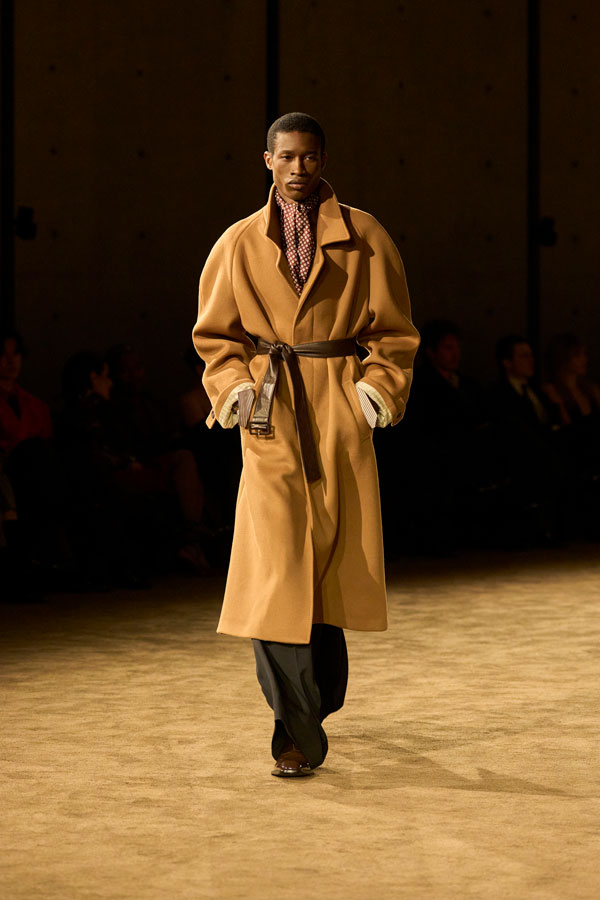
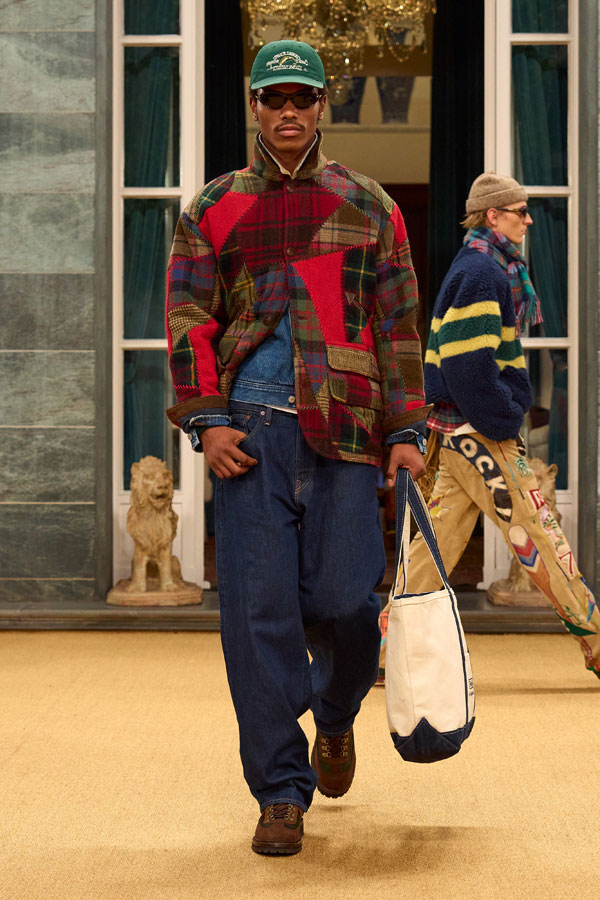
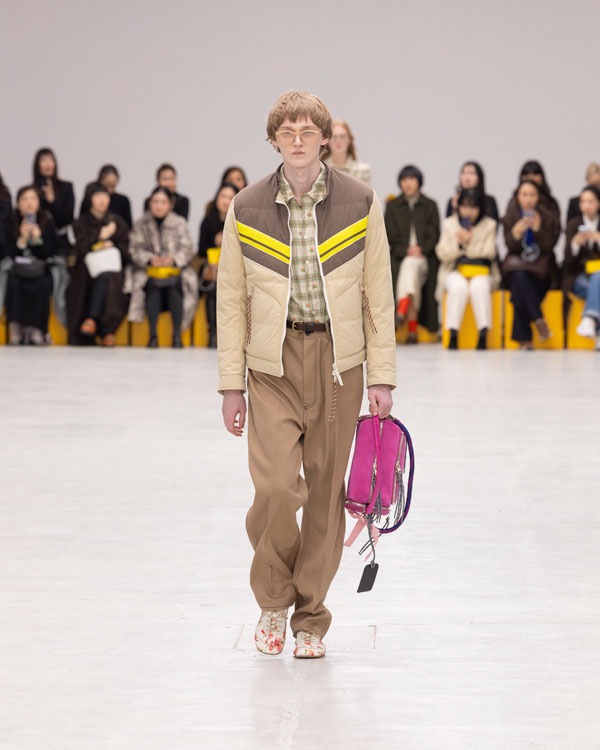
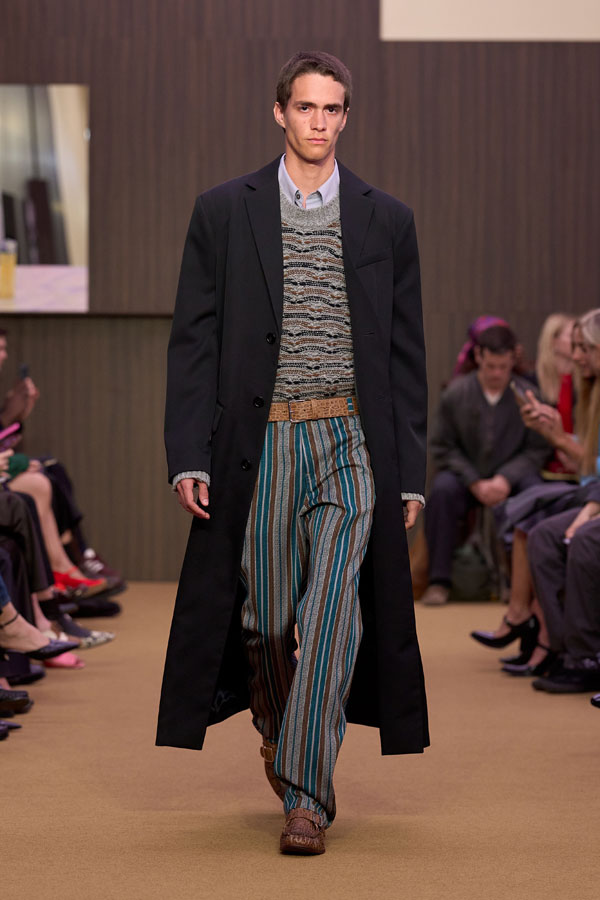
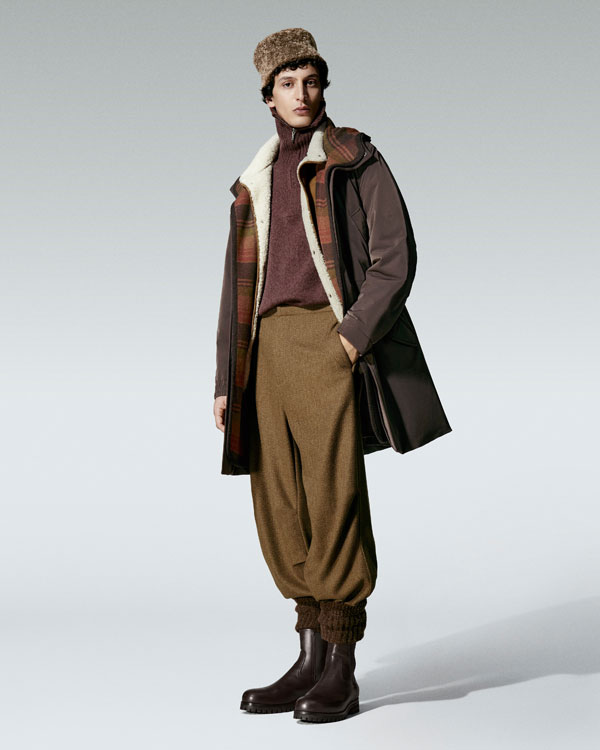
Ralph Lauren has always been a champion for the look, often bringing it to the fore every Autumn/Winter season. Patchwork manipulations evoke the sense of a reworked garment while keeping to its preppy branding. Onitsuka Tiger adopts a more vintage treatment of its ready-to-wear with the use of sporty, graphic lines and a muted palette that tends to lean towards more neutral tones. When a singular, striking colour is involved, à la Ferragamo, it is grounded with rich browns, creating an almost mid century-led take on an outfit.
This is a reminder that there is no one way to wear a piece of clothing. Whether you’re flipping the lapels of your blazer, belting a trench coat only at the back instead of around your waist, or treating a necktie like a necklace and wearing it with a T-shirt, who is to say that there is only one way of wearing something?
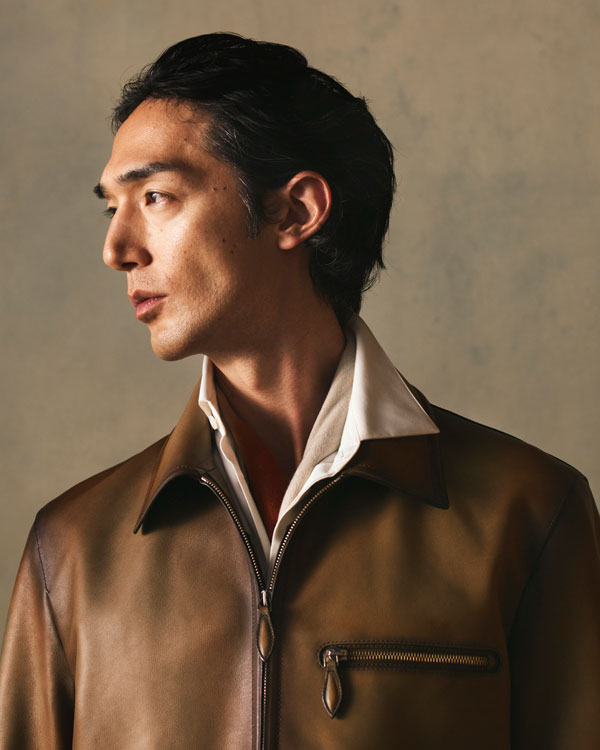
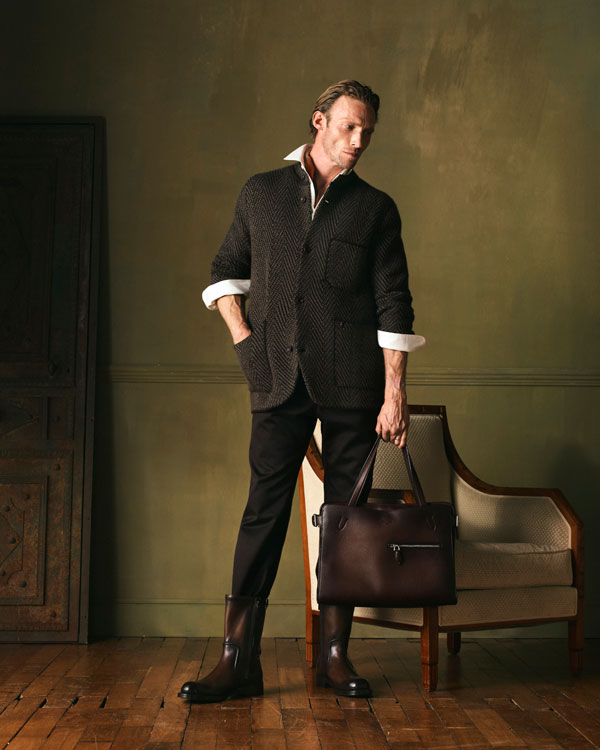
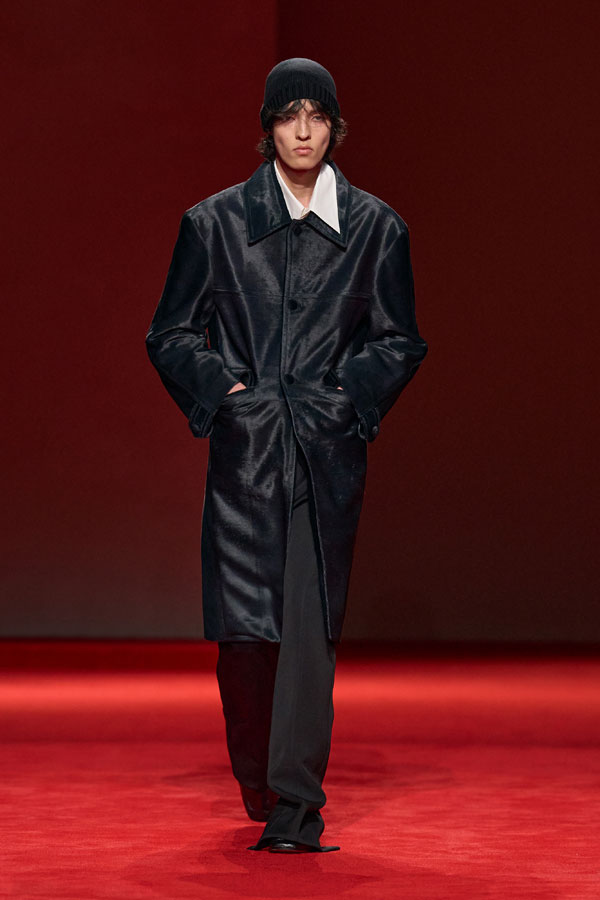
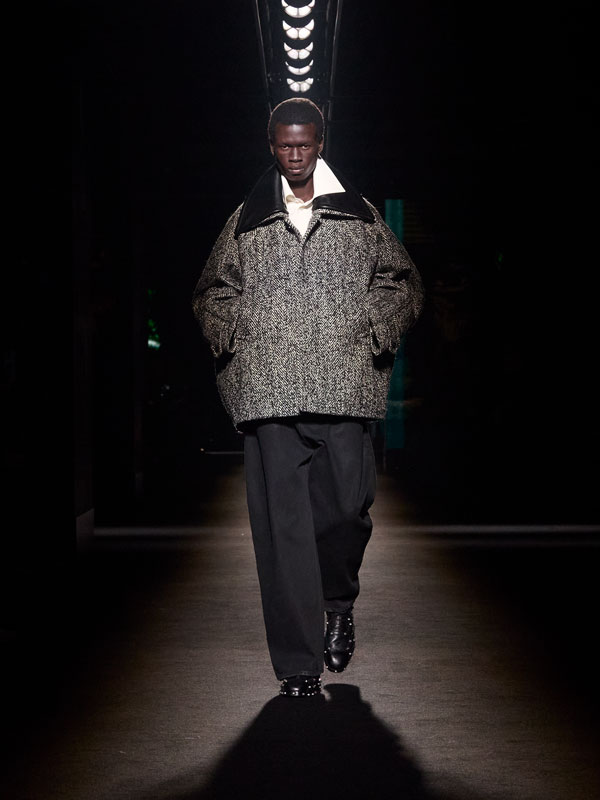
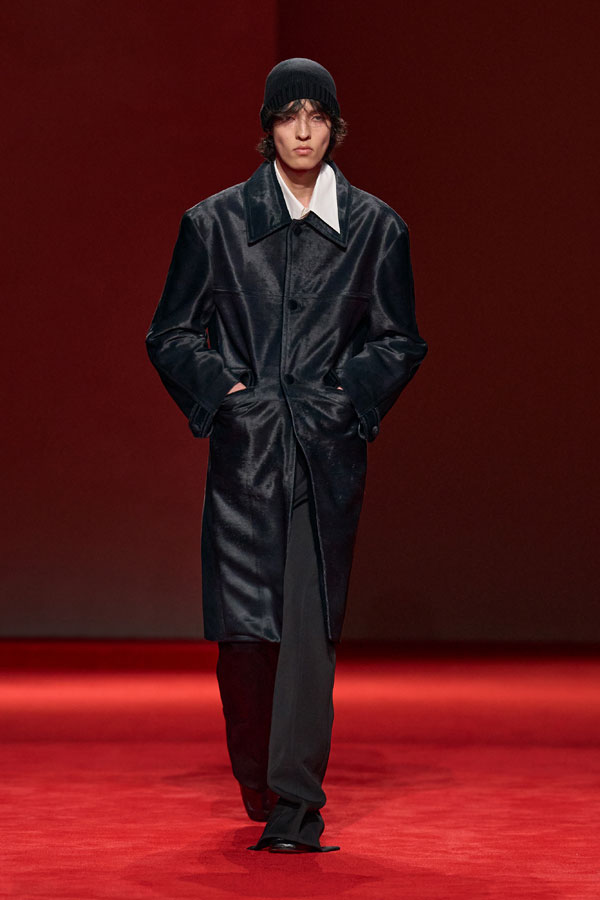
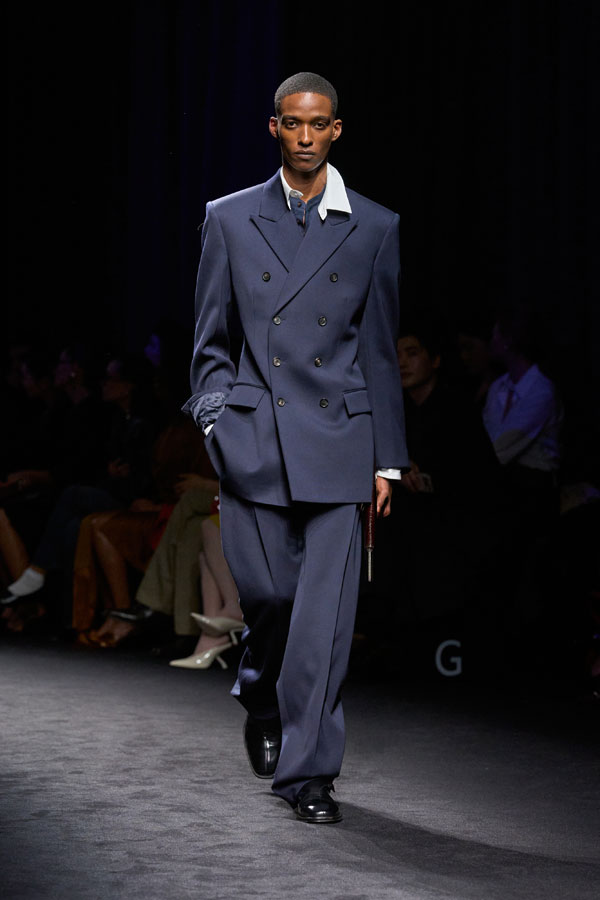
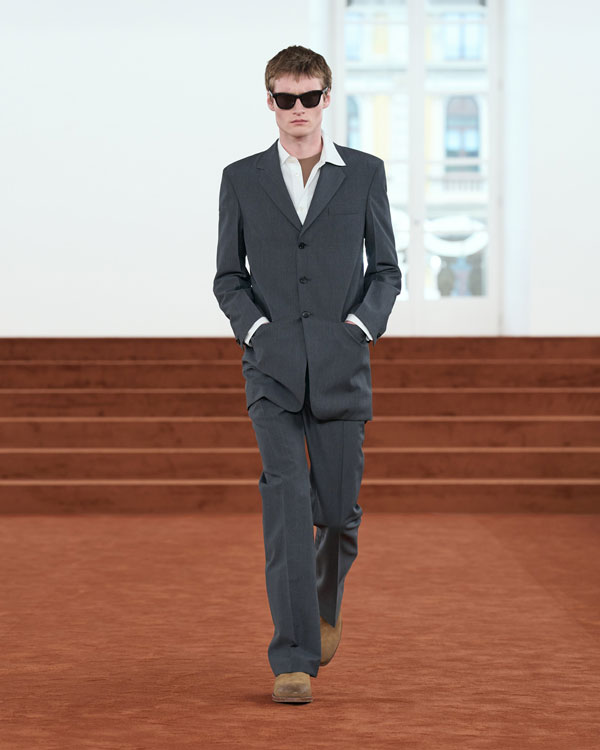
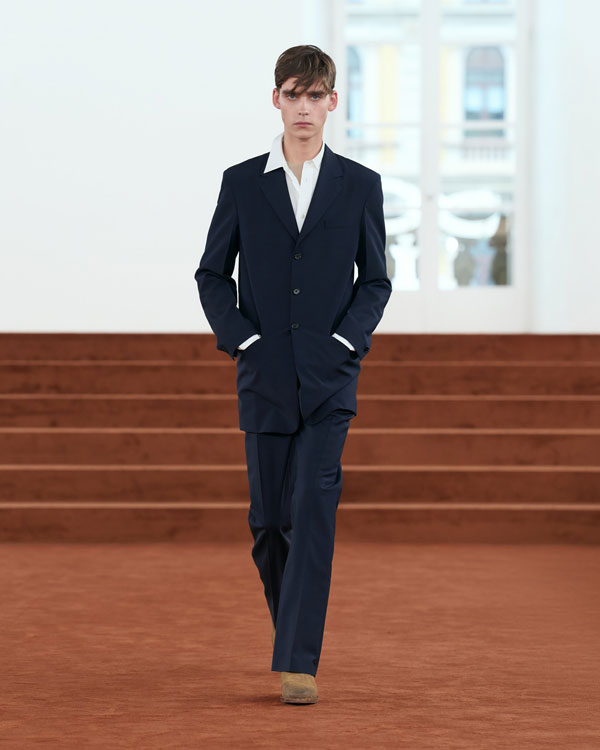
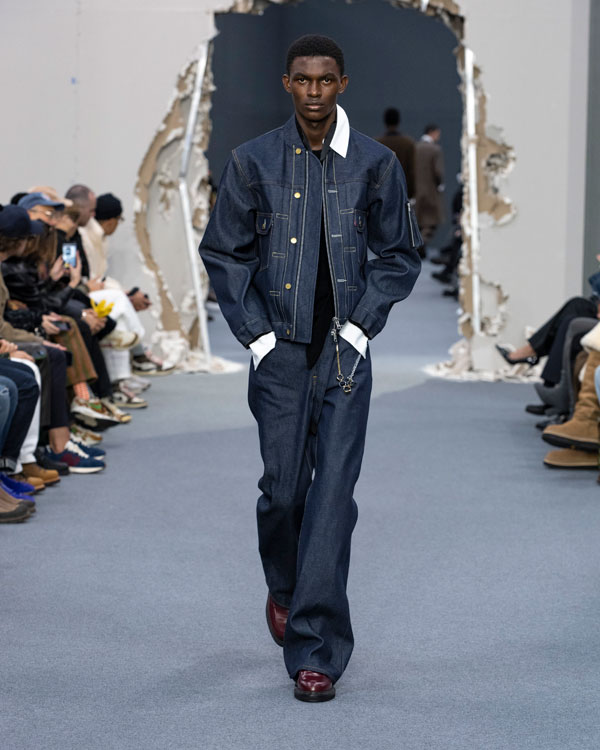
For some reason, we’ve observed a lot of collared asymmetry. Shirt collars, typically tucked neatly under an outer layer, have escaped their confined traditions—or at least one of them has. Like the half-tuck shirt styling that rears its head every now and then, there is an abundant display of a single collar popped right out of everything from a coat to a sweater. And it’s almost always a white shirt collar.
Perhaps it’s a collective act of conscious rebellion, where designers are sick of conforming to traditional notions of dress. Or that they see themselves as a champion of white-collar workers worldwide who now have to work even harder in order to afford increasingly priced luxury fashion. Whichever the case, it’s an easy way to incorporate a calculated sense of sprezzatura that’s often clamoured in menswear. It’s effortless, and done right, it just makes your entire outfit look even cooler.
For part one of things to note for Autumn/Winter 2026 menswear.