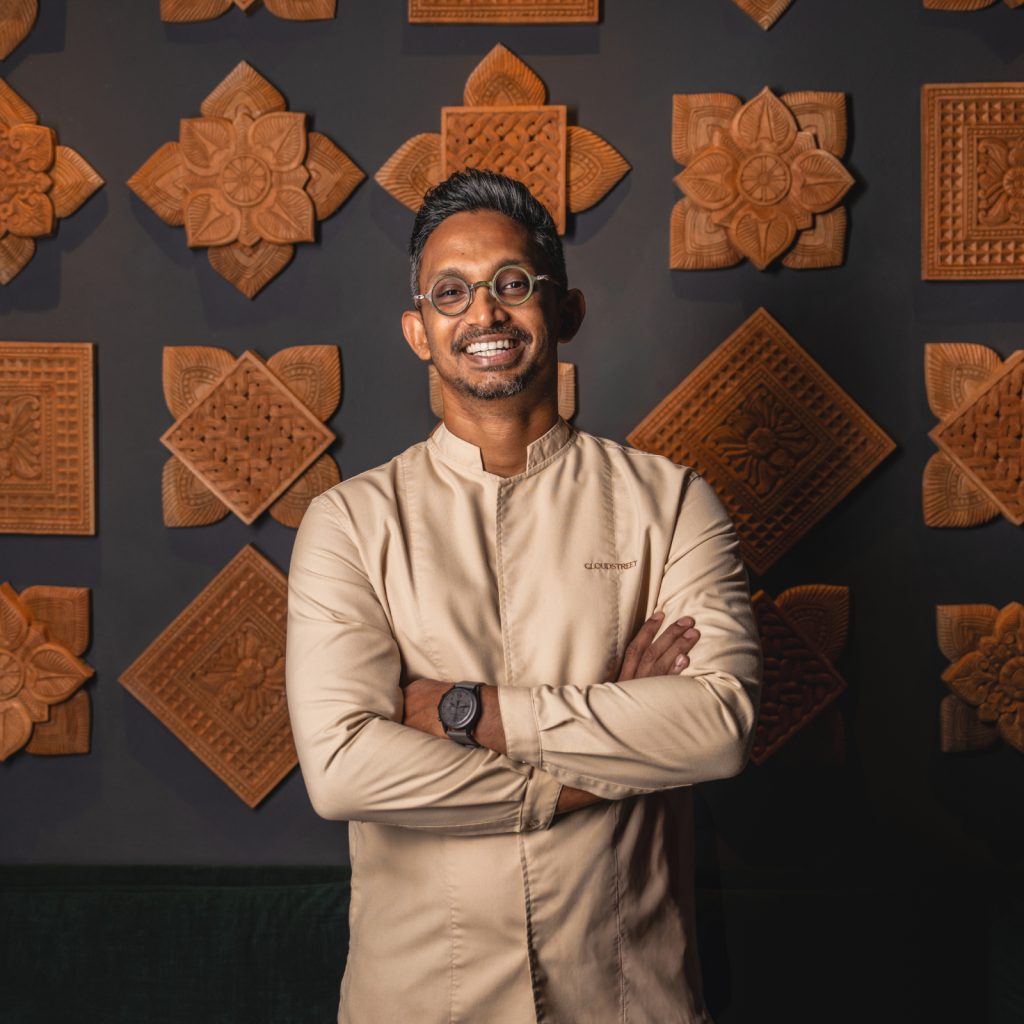
Transitioning from chef to owner was seamless in the sense that I had to do it. There was no way I could skip it. I could have, but then we would not be here. One thing I’ve really learnt is how to let people do their job without micromanaging them; yet still adhere to the brand guidelines of who we are and what we do.
You realise how less important you are in the bigger picture. There have been difficult times, but it’s about everyone doing their job. It’s a team. If someone in the industry says “It’s all me”, it’s not right. It’s impossible.
There’s hardly a time that I override decisions, because everyone in management positions around me have been working for so long now that we all have the best interest for the business. At the end of the day, when you run a business you need to understand who’s around you and what they want.
Not changing my standards to cater to others, but not just running blindly without giving a shit about anyone else. It was a reflection of how I behaved. Think of [the stereotype of] a traditional chef and I was that. But when I changed, everyone else sort of did. And if not for that, I don’t think we would have even got our second star.
Everything takes a lot longer now. Instead of randomly trying and seeing what sticks, we go through a process of training everyone and trialing beforehand. Thinking through and putting things in practice before you do them, you end up with a good product. There aren’t any cons; being patient gives you more than rushing into things.
I never felt negative about situations. I always see a situation as a situation. Even when it’s really positive. You are never going to be extremely successful and happy forever, nor constantly failing and unhappy forever.
The mindset that everything is temporary doesn’t mean that you can’t enjoy them. Enjoy when you have it, but don't be miserable when you don’t. It doesn’t make you any less ambitious. I think I’m a lot more ambitious than I’ve ever been. I see a lot more opportunities now.
When people ask “Would you change anything?”, [hell] no. If I did, I wouldn't be here. Maybe put a bit of money in bitcoin when it was 200 bucks each, but apart from that, every single thing that has happened brings me here. I’m not punishing myself because I’ve made bad mistakes. I can’t undo it, and I’ve learnt from it.
You just really need to work. And some days you just need to stop. There are days I go to sleep hoping that I wake up and everything will be fine. It clearly doesn’t work that way, but you’ve then given it a day and realised it's actually not as bad. Even if I lose everything I have, it's still not bad.
I have enough skills and knowledge from working over the last 23 years. I can start from scratch. I have never forgotten why I started. The excitement of a restaurant is still in me. It’ll never go away. I don't think I’ll ever retire. Whether it's a restaurant or anything, I’ll always keep myself busy, because what is retiring?
Growing up in Sri Lanka with bombs going off everywhere and the economy in shambles, we just had to figure it out. You grow up in a civil war and you have to leave the country just to be someone, especially since you’re not from a rich family. I always had the idea that Asia would become the centre of the world and wanted to be here for that.
Singapore is an inspiring space, when you want it to be.
The last decade has changed quite a bit lifestyle-wise. When you look around and [other nations] are crumbling away, we still stay pretty strong. There are a lot of things people had to sacrifice for the rest of us to be here. So even a bad day in Singapore, it’s still a pretty good day.
Our staff turnover is really, reality minimal and that’s one thing I had to work hard on. Because it's not money or unlimited freedom people want. You need to create an environment. You spend a lot of time at work and it's not easy. I can see that my staff are actually happy to be here, and that translates to food and service.
We’ve never been fake about what we do. Again, not everyone likes what we do either. But we never did anything purely to make money. We just did what we loved and really believed in. I think people can see from our hospitality that we are here for a purpose.
When we got two stars, Cloudstreet still had kopitiam tables because i didnt have a budget. The private dining room had a table I brought off Carousell for 200 bucks. Certain things you just can’t buy.
I don't think the industry is daunting. It’s what people want out of it that can be daunting. How you plan can be daunting. If someone puts an unrealistic amount of investment into a restaurant and thinks they’re going to get a return in two years, that's daunting.
Opening a restaurant, it's not [just about] food. If I can cook, anyone can cook. There's much more. How to handle the pressure How you feel when you see a shit review online. [Dealing with] that urge to reply, “you’re playing with someone’s life here”, but [acknowledging that] you signed up for it.
I’m lying if I say I don't care [about the accolades]. It's really amazing. It's nice for the staff to take pride in. Your client changes quite a lot, to be honest, if you didn't have two stars. I don't know if we would have survived with just one in this market because there are so many restaurants and we have to differentiate ourselves.
Look; I’ve been in it, I’ve been out of it. I enjoy both. You’re among some of the best people in the industry from the region, or worldwide. It's a community. It's a sense of achievement, but I'm not glued to it. I'm not changing my life to get it, but I sacrificed quite a lot; so I genuinely enjoy it.