We’re not talking about collaborations like F1 and Tommy Hilfiger. Nor having Charles Leclerc front Chivas Regal. It’s not that sort of partnership, despite racing evidently pushing quite a bit in this space. On the topic of F1 though, it’s a nice segue to the type of car-on-car action we’re referring to.
The iconic McLaren F1 marks the first road-approved sportscar manufactured by the British Formula One team. As some may know, it was powered by BMW. A bespoke V12, as fans would tell you. McLaren also famously tapped Mercedes-Benz for its SLR’s V8.
Outside track-inspired creations, cooperating across brands within the business existed before luxury fashion Maisons made it vogue. Sure, some were nothing more than concept cars and speculation. Not these. Fine-tuned by history but geared for the future, these significant ventures contrast a heritage of working relationships with the opportunities of the roads ahead.
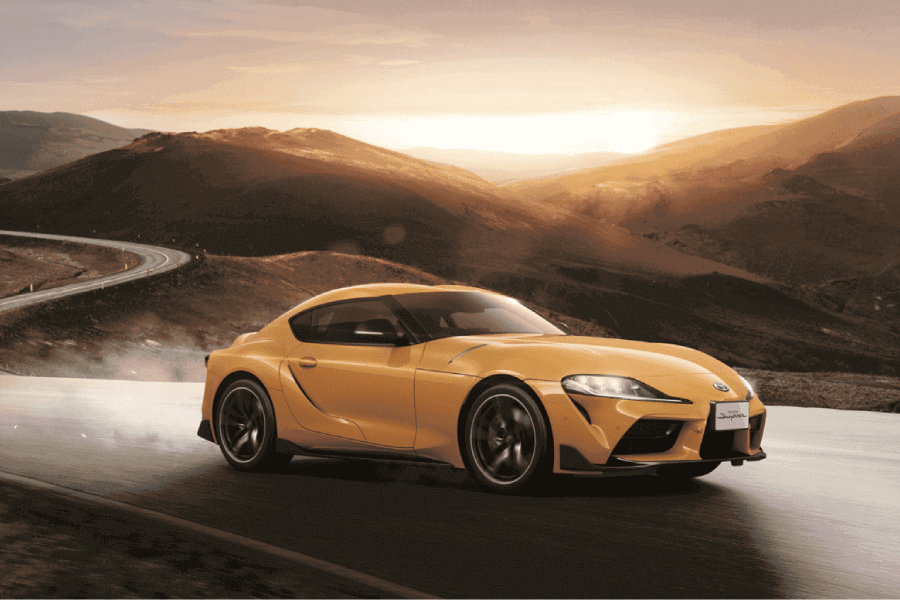
Part sports car, part motorsport classic; the Toyota Supra is loved by the masses. Since making its debut almost half a century ago as an enhanced Celica, the racer has appeared in Gran Turismo, Fast & Furious, and Need for Speed. It was only in its fifth generation (after a casual, nearly two-decade hiatus) that the Japanese automobile giant tagged in the luxury German conglomerate.
The BMW-powered 3.0L turbo inline-six engine kept to the A80 aesthetic contrasting a long hood with a short rear deck. The A-Team provided manual transmission models in 2023, and finished a successful run with just 300 Supra Final Edition units this year. Which allegedly sold out like hot cakes (the official production-count is not publicly verified). As Toyota retakes full reign of the GR Supra, it’s not the end of this international bond.
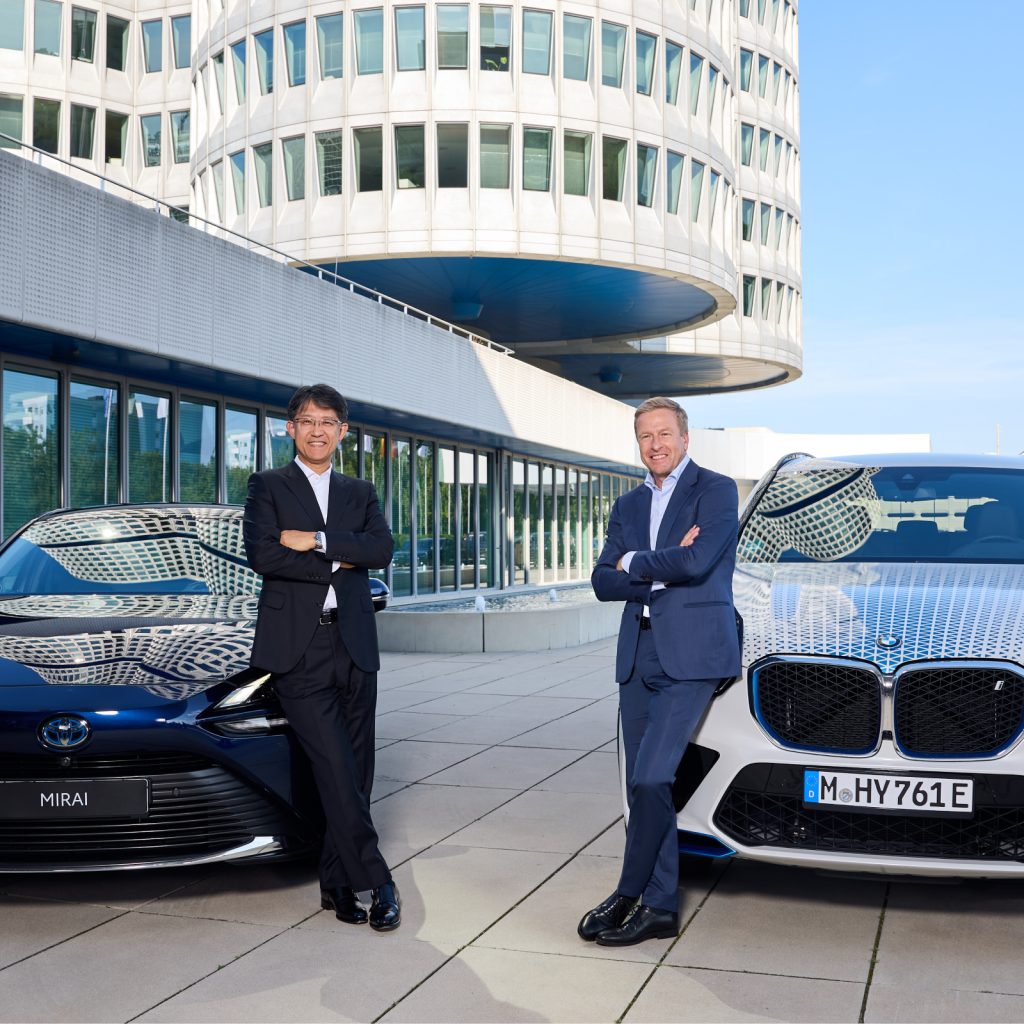
The two corporations recently signed an agreement to co-develop the next generation of fuel cell technology. Jointly working towards the zero-emission, the new powertrain system explores the potential of Hydrogen mobility. All that to mean more Fuel Cell Electric Vehicle (FCEV) passenger car options for the people. Given the timeline of the announcement, we suspect we would only see its fruits in 2028.
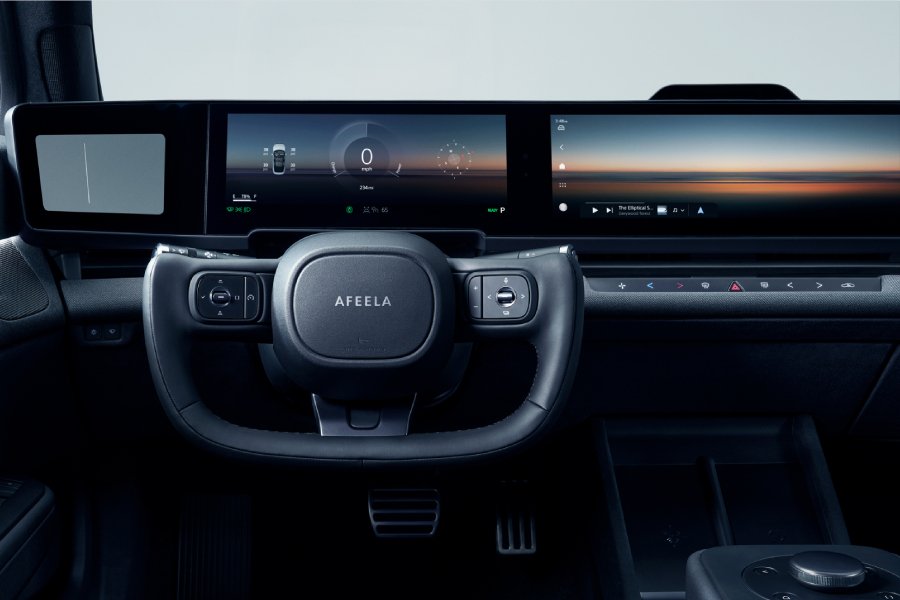
AKA AFEELA, this is one modern example you’ve likely seen circling the web. When it comes to partnerships, Honda is not lacking in experience. The most surprising likely being its stint with the Rover Group. It’s a crossover that still puzzles folks today as much as it did in the ‘80s. Yet, by overcoming both cultural and engineering differences, both brands go down in history as the first time East meets West in the industry; complete with cross-shareholding. Ties were cut in 1994 when the British company was sold to BMW. Was it a dramatic unfolding? Old newspaper headlines seem to think so.
This time, the mutual beneficiaries originate from the same homeground. Before you start crying foul, Sony has since entered the automotive arena with VISION-S, so this collaboration still counts. It may be a prototype, but the intentions are there. AFEELA 1 is already slated for production early next year. And yes, of course it is an EV. Sony Honda Mobility, the group by its official name, is not subtle on the visibility of its inaugural model. Besides partnering with a slew of, well, partners (almost everyone from Microsoft to Epic Games), the car has also made appearances at the GRAMMY Awards and San Diego Comic Con this year.
The name AFEELA doesn’t really reference anything apart from the word ‘feel’; a concept to encapsulate the sensorial experience and emotional connection. Probably why there are 40 spatial sensors (one LiDAR, nine radars, 12 ultrasonic, and 18 cameras), an AI personal assistant (that’s where Microsoft comes in) and a full suite of Sony’s media capabilities. Essentially, transforming it into your own entertainment centre, because who said cars should be just a mode of transportation?
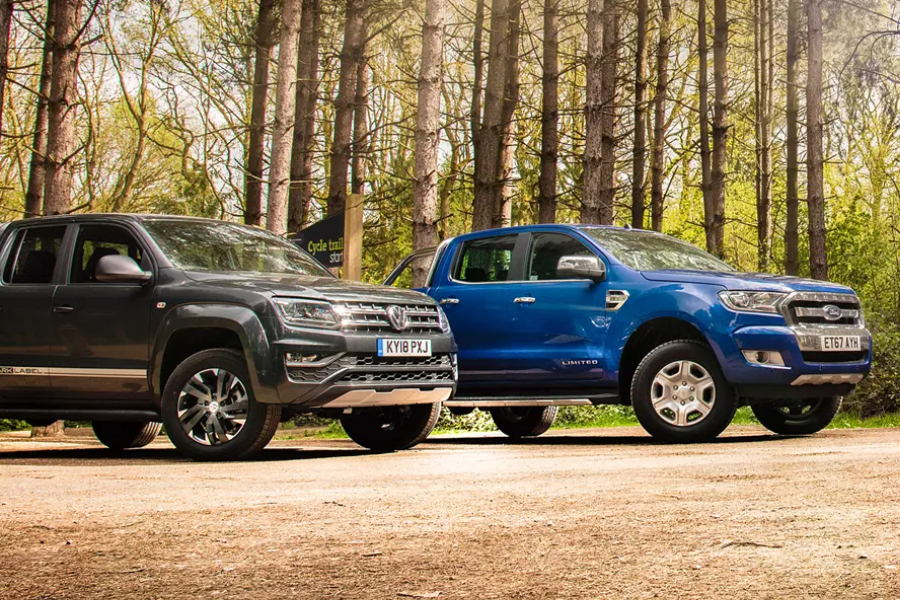
This is one affiliation that signals how cutthroat the car business is. Of the many manufacturers who partake in the age-old strategy of badge engineering—sharing a platform without necessarily designing a new model—, Ford is well-versed in this. Giving us Ford Maverick (Nissan Patrol SUV), Ford Courier (Mazda B-Series pickup), Ford Festiva (Kia Pride)… the list goes on. With Volkswagen however, this is not the first match up.
Ford Versailles and Ford Royale were the babies of the marriage centred in Brazil and Argentina (which was succinctly named ‘AutoLatina’). We’re talking 1987. Fast forward some 32 years and a completely refreshed relationship hard launches. No longer limited to the South Americas, the joint venture focuses on—hold your gasps—electric and autonomous vehicles. While this is arguably different, the alliance still helps both parties achieve economies of scale without a merger or acquisition. Keywords the suits probably loved.
Mostly, we’d like to guess, making the most of the investment by the European automobile in Argo AI. This bid in the race to accelerate product development while likely reducing costs in the global production. Current units mostly occupy the mid-sized range, but the companies have not ruled out a possible small-car EV, hinting along the lines of a Fiesta successor.
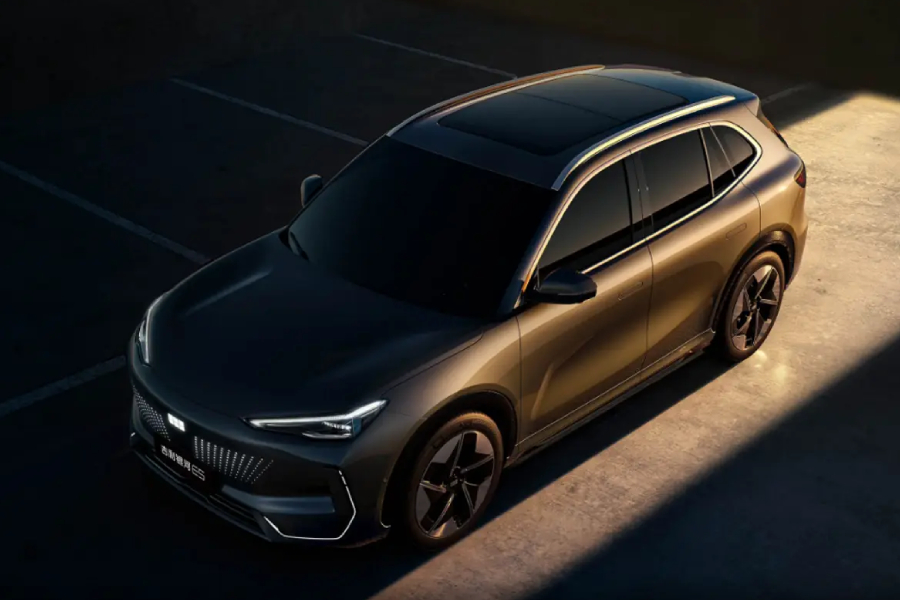
We can’t leave out the not-so-sleepy giant from the conversation if we’re talking about cars in this last decade. Especially when China is not just dominating the east, but the world at large in this sector. As the country set foot into World Trade in 2001, Geely became the first car manufacturer the Chinese government granted a private license. It went from a humble start constructing refrigerator parts to now crafting this teeny EV brand you may have heard of called Zeekr.
Geely Auto presently owns Polestar, Volvo and Lotus within its portfolio too, by the way. There’s probably a whole flying car in the works with American-based Terrafugia but that’s another story. You may be privy to the connection the company shares with Mercedes-Benz AKA smart Automobile Co., but Geely’s deal with the Renault Group goes deeper as a 50/50 equity-backed focus on new energy vehicles.
The relationship seems promising on the success of combined effort Horse Powertrain Limited, even attracting investment from Aramco last year. Geely EX5, built on the Global Intelligent New Energy Architecture, is realised with both left- and right-hand drive options. Besides bagging a couple of prominent design awards and decent reviews worldwide, this cornerstone of their global NEV strategy is indicative of where the union can traverse.