Let's not wish summer away, nor the opportunity—before the back-to-work zombification kicks back in, and even digging out your AirPods seems like effort—to read something more than a TikTok caption. And if you're going to read, why not consider learning a little something while you're at it, by ingesting one of the great non-fiction books that have been newly released or reissued this year.
Whether it's a memoir, a biography, a self-help or a deep-dive, we've selected a stellar range of non-fiction must-reads for you below.
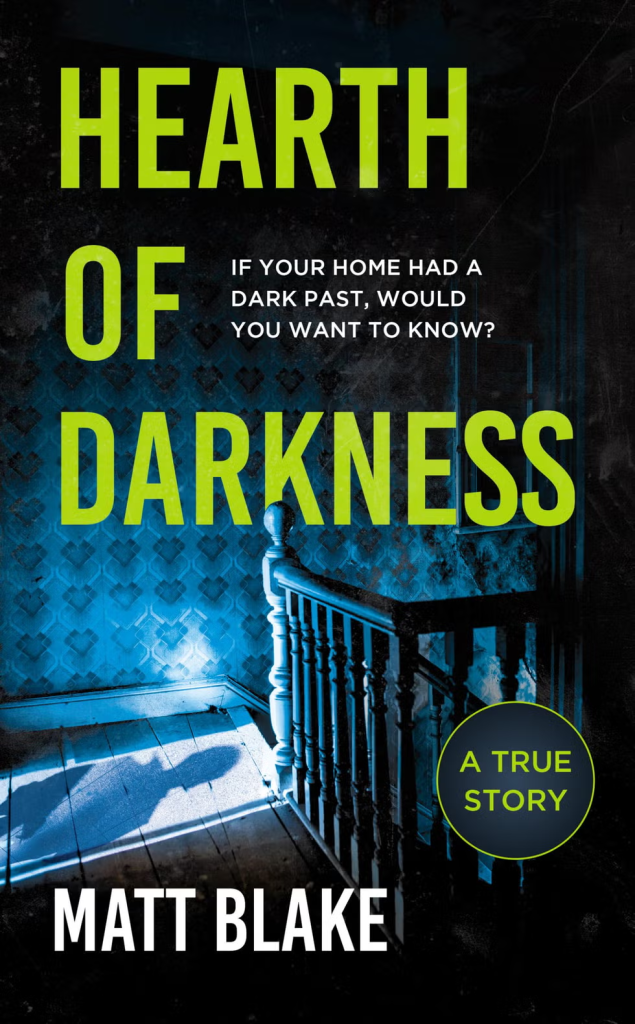
Following a tricky divorce, author Matt Blake made a quick purchase of a new house in Walthamstow to help smooth the adjustment for his young daughter. Had he taken a beat longer, he might have learned from an inquisitive neighbour or a conscientious estate agent that one of the former inhabitants of the house he was buying was a convicted murderer: the E17 Night Stalker. Even if Blake was ignorant, the house certainly wasn't, and a series of strange, seemingly paranormal experiences compelled him to investigate how place and memory and trauma can interrelate. With Blake as a likeable narrator who interrogates himself as much as the poltergeist-expungers who peddle their wares at him, what could have been a straightforward ghost story turns into something more meditative and quizzical, and is all the more engaging for that.
Although it's billed as a memoir, Miriam Toews takes on the genre with typical considered delicacy and humour. Despite having had an unusual life by most conventional standards—she grew up in a Mennonite community in Canada, a group she also used as the basis for her best known work Women Talking, adapted into a film by Sarah Polley in 2022—she keeps the writing fragmented and unassuming, even when writing about subjects as painful as her sister's suicide. It's a lightness of touch that proves masterful.
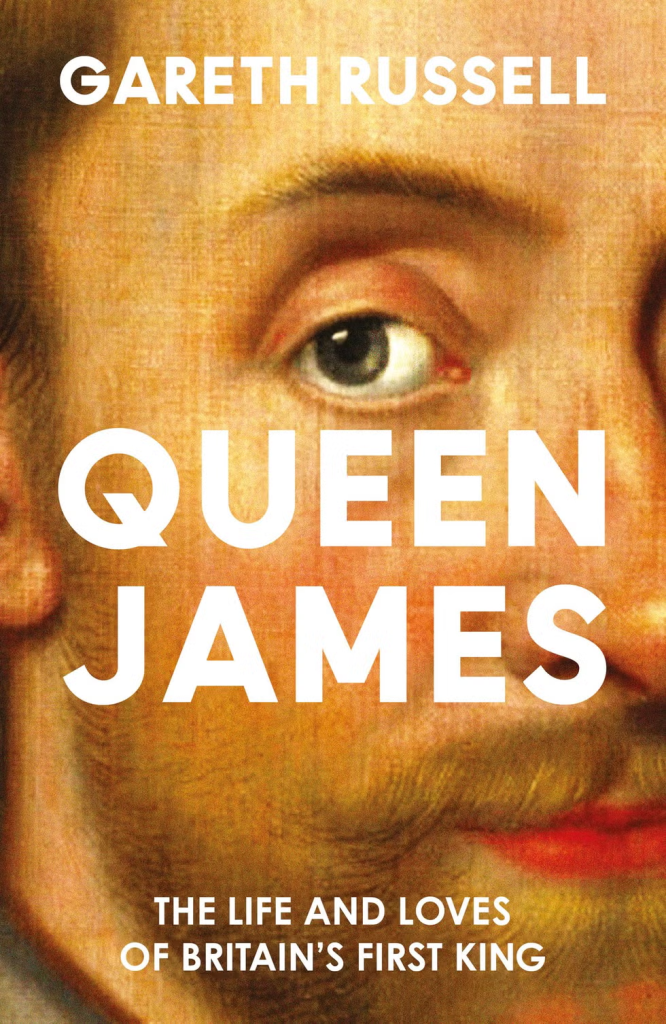
Queen James is ostensibly about James I of England’s lovers—often beautiful male members of the aristocracy—though Russell doesn’t sell the history short with salacious stories about the sex lives of the Scottish royal (that would have been just fine, too!). Instead, Russell carefully plots a detailed biography of James Stuart’s tumultuous life, from his dysfunctional parents to his even more dysfunctional court. It is an invigorating, playful read.

It is not exactly hard to find books about serial killers, though it is a little more difficult to locate well-written ones. Well, here is former New Yorker staffer Caroline Fraser’s Murderland: an invigorating, thought-provoking examination of killers in the Pacific Northwest and the often-poisonous environments that formed them.
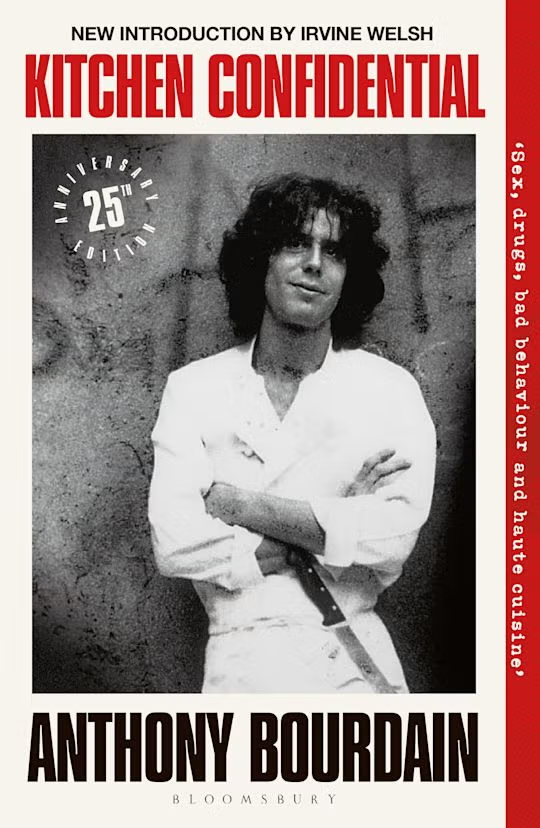
Not new, obviously, but 2025 marks 25th anniversary of chef and novelist Anthony Bourdain’s Kitchen Confidential. So it’s a good time to (re)read the provocative entry into the food-writing canon, in which the late chef recounts his experiences of intense, often-dangerous restaurant kitchens. The new edition features an introduction from Irvine Welsh, which makes a lot of sense.
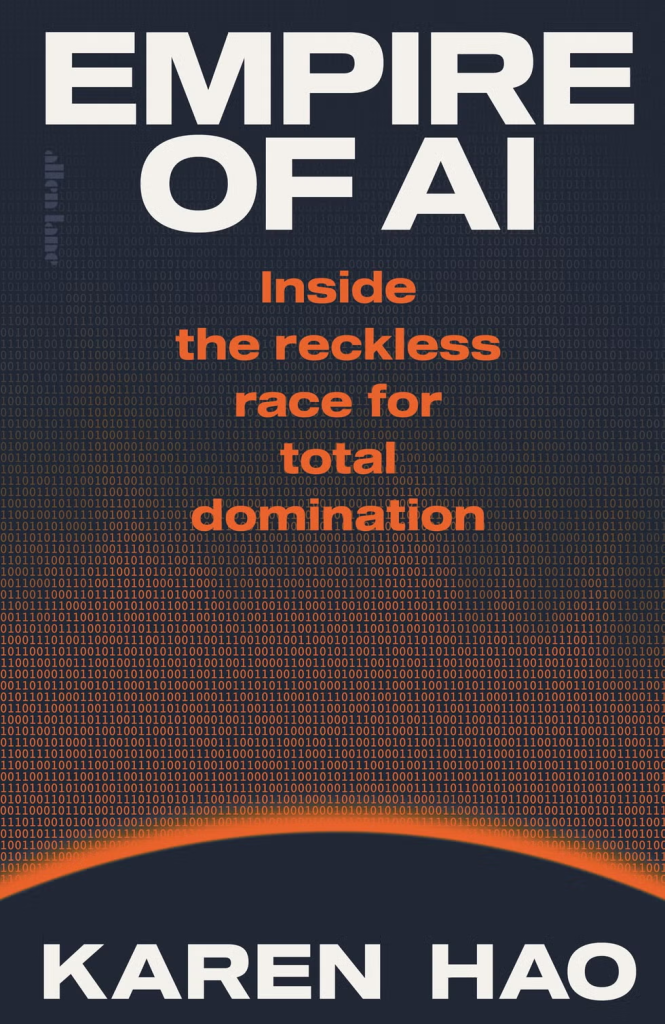
I realise that your trip to Italy is probably not when you want to be thinking about AI. But if you find yourself increasingly worried about what this technology and its impact on you and your career, it is good to know who you’re dealing with. Journalist Karent Hao goes deep on Sam Altman’s groundbreaking company OpenAI—which is responsible for the seemingly universe-changing ChatGPT—and reveals some uncomfortable truths.

It makes a lot of sense that after charting the life of Anna Wintour, Amy Odell would turn to Gwyneth Paltrow. Both women loom large in popular culture; both are a little unknowable. Odell whizzes through Paltrow’s eras, from Hollywood childhood to Oscar winner to Goop empress.
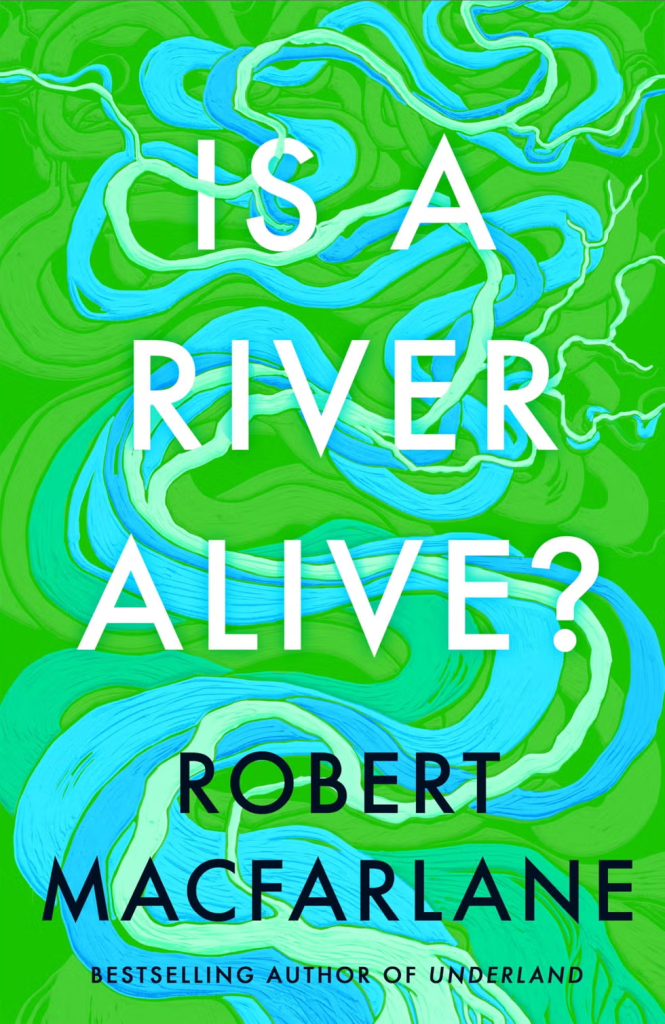
Macfarlane's writing is so beautiful that he could convince us of pretty much anything, but in this instance he has a very important task: to argue that we should reframe how we think about rivers—from Ecuador to India to Canada—imagining them as living beings in their own right, rather than functional natural phenomena to serve human needs.
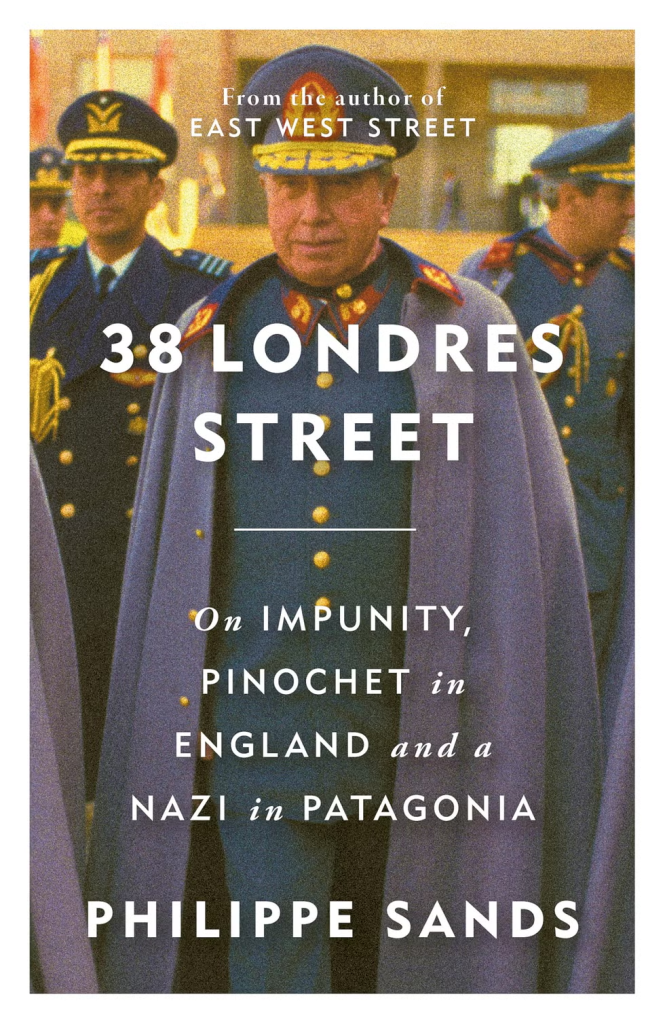
International lawyer Philippe Sands' new book is as extraordinarily wide-reaching as it is specific: the story of a single address in Santiago, Chile, that connects the Chilean dictator Augusto Pinochet to a Nazi SS officer, Walter Rauff, who fled to Chile after World War II. Sands' involvement is both professional and personal: in 1998, when Pinochet was arrested in London, Sands was called upon to advise him. He chose, instead, a markedly different path.
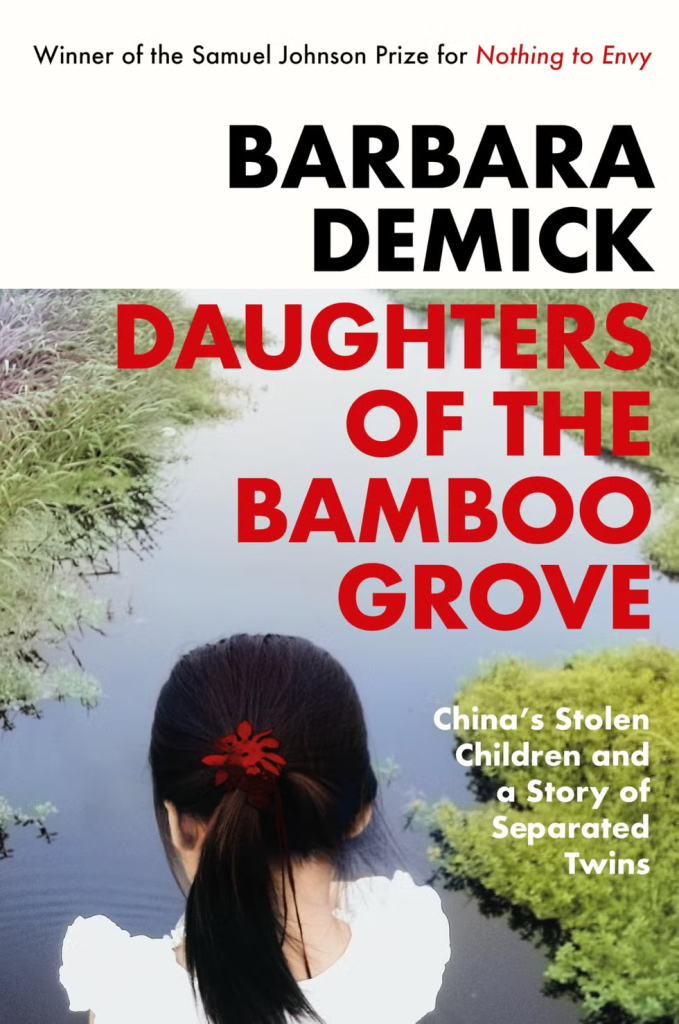
In 2007 while working as a journalist in Beijing, Barbara Demick uncovered the extraordinary story of twin Chinese girls who were born, undetected, in a bamboo grove. The threat of China's one-child policy and an international demand for adoption mean that the girls were separated, with one staying China and the other being brought up in the US. With her usual forensic care, Demick charts their lives, and plots their reunion.

If there's a musical icon with a tale or two to tell, it's surely the Dexy's Midnight Runners frontman, Kevin Rowland. He made the full transition from childhood tearaway to 80s New Romantic legend to cocaine addict to destitute bedsit-dweller, but true to form with Rowland there was always going to be another act. He details it all with candour and panache.
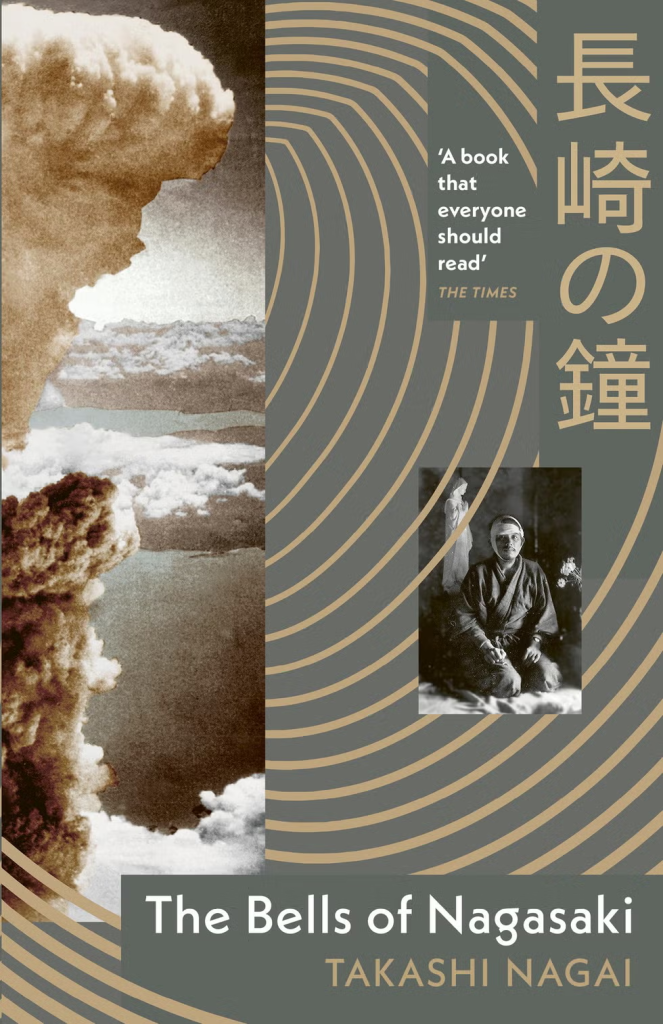
Takashi Nagai was working as a doctor in the Japanese city of Nagasaki on 9 August 1945, when it was obliterated by an American atomic bomb. Forty thousand people died, but Nagai miraculously survived, though seriously wounded, and wrote a chilling eyewitness account from his hospital bed. It has been published in the UK to mark the 80th anniversary of the bombing, and, in our increasingly apocalyptic age, should be considered essential cautionary reading.