I have to confess: I quite like the attention I get when reading a book on a flight. There’s something theatrical about it—the spine angled just so, the underlining deliberate, the faint hope that someone might notice what I’m reading. But lately, the fear of being branded a "performative male" has begun to plague this ritual of intellectual signalling.
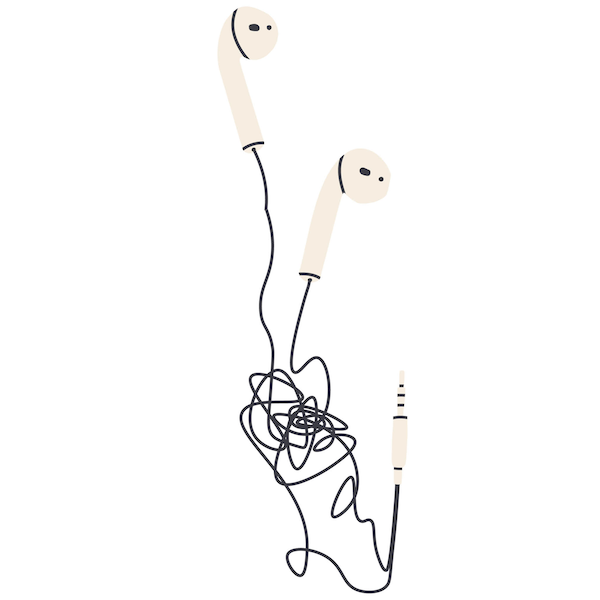
Think of a man who curates his look—baggy clothes, a meticulous skincare routine, wired earphones, carries a copy of Sally Rooney, checks his horoscope, and is heading towards the city’s popular matcha hotspot, all accompanied by the promise of emotional availability. Meet the new archetype of urban masculinity, the so-called "performative male". It’s masculinity imbued as intellectual expression and feminist signalling.
I'm on board with the definition; what troubles me is the backlash. Between demanding that men bare their expressions and ridiculing them the moment they do, we’ve trapped ourselves in a cultural maze with no exit. The broader opinion has relegated these gestures of self-care and style into nothing more than a strategy: a performance designed to appeal to progressive women. The Internet loves to mock these men, to dismiss them as fraudulent, manipulative, over-calculated.
Many see performative men synonymous with predators eyeing women. But it doesn’t take much prudence to distinguish a performative male from a "manipulative male". Let’s get one thing straight: not every man who carries Sally Rooney or moisturises with ritualistic care is trying to trick anyone. The performative male is deliberate, yes, but he’s rehearsing himself, not scheming. He’s experimenting with vulnerability, curating aesthetics, signalling intellect—all as a way of showing up fully, not for advantage, but for authenticity. The manipulative male weaponises the same signals. He quotes feminism or shows sensitivity only to charm, control or exploit. One is practicing identity; the other is practicing deceit. One is visible; the other is invisible. Confusing the two reduces genuine self-expression to a cynical act, making men who are simply learning to show up a target for ridicule, while the truly manipulative skate by, unnoticed. Recognising the difference is less about policing authenticity and more about understanding the evolving grammar of masculinity.

This cultural tension is not theoretica—it plays out daily in the lives of public figures and online personalities. Timothée Chalamet’s backless halters, Harry Styles’ sequined jumpsuits, Dev Patel’s tearful acceptance speeches, all are celebrated for softening the edges of masculinity, yet also lampooned for appearing “too staged.” On TikTok, the “sad boi” has become an archetype, part parody, part aspirational figure. These examples illuminate a paradox at the heart of modern masculinity: the desire to express, and the fear of judgment when doing so publicly.
It is common knowledge that thinking of gender archetypes as rigid is counterproductive. It helps to borrow a page from philosopher Judith Butler. “Gender reality is performative, which means, quite simply, that it is real only to the extent that it is performed,” Butler affirms in their essay Performative Acts and Gender Constitution. They famously argued that gender is not something we inherently are but something we do—a set of repeated acts, gestures and performances that create the illusion of a stable identity. Masculinity, then, is not a fixed blueprint; it is a script we learn to perform, often unconsciously, in daily life.
When a man carries Sylvia Plath on the subway, holds a tote bag, or pauses to consult his horoscope before ordering matcha, he is performing masculinity in a way that feels authentic to him. Butler’s theory is a reminder that performance is not the opposite of truth—it can be its vessel. By rehearsing gestures, appearances and expressions, men are negotiating the boundaries of what masculinity can look like in a world that has long dictated silence, stoicism and invisibility.
Our society is quick to flatten men into caricatures of hyper-macho aggressors, but the performative male offers something richer: a reminder that life is theatre, and every man is allowed to be both actor and audience. And in a culture increasingly allergic to extravagance, that’s worth defending.
I've learned to make peace with the contradiction. When selecting my aesthetic before a coffee errand, I refuse to ask myself whether it's real or performed. The question itself is a trap. We need to remind ourselves that sincerity and self consciousness can simply coexist, that caring about how you present yourself doesn't negate the substance beneath it.
To the men caught in the crossfire: perform anyway. Carry the Rooney. Moisturise with intention. Cry at the cinema. The alternative—censoring yourself to appease unseen judges—is the most dishonest performance of all. The world will always have its critics, its think-pieces, its social media parodies.
In the end, what is the world if not a stage? As I go back to whisking my matcha, I’ll leave you with the only question that matters: are you performing someone else’s script, or are you finally choosing to write your own?