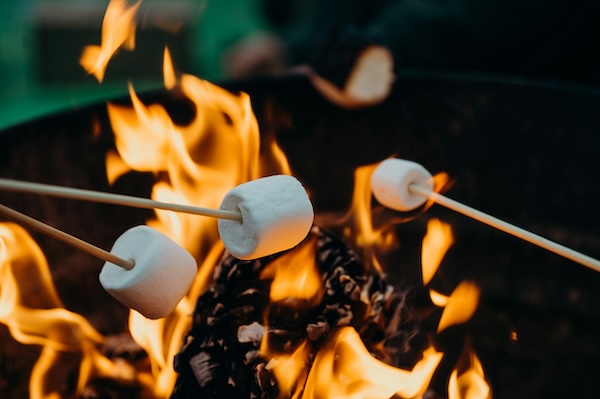
The thing about December is that it asks you to perform kindred warmth while everything is suffering its cold end. Not just the year, but entire versions of yourself that you’ve been dragging through 12 months like luggage with broken wheels. By the time the holiday parties start, you’re supposed to show up feeling toasty, glass raised to whatever collective fiction we’ve agreed makes enduring another rotation around the sun meaningful.
It suggests comfort, warmth, that perfect state between cold and overheated. But toast reminds me of bread that’s been subjected to fire, transformed through controlled destruction into something temporarily improved, only to inevitably go stale. We are all toast by December. The year has done its work on us.
There’s a German word, gemütlichkeit, that captures something English fumbles toward with “cosy” or “toasty.” It describes a state of warmth, friendliness, good cheer—but embedded in the concept is an acknowledgement that this warmth exists precisely because of what’s outside: cold, darkness. This hostile world makes shelter necessary. You can’t have gemütlichke without first having something to shelter from. That would be very un-gemütlichkeit of you.
December demands this from us: create warmth in the face of ending. The shops blast Christmas carols that insist on joy. The office parties require enthusiasm for colleagues you’ve tolerated for months. Family gatherings evoke nostalgia for a past that may not have been as warm as memory recalls. And through it all, you’re supposed to stay toasty—mind, body, spirit, and all radiating contentment like a well-maintained chimney. But no one mentions staying warm as everything ends.
It’s less about maintaining a constant temperature but more about knowing when to let yourself feel the cold. Survival is never about feeling pain. It was about not letting pain define your entire existence. You sit on your plastic chair outside the flat, regardless of the weather, and drink your one beer of the day with ceremonial precision. Not to celebrate anything. Not to numb anything. Just to mark the completion of another day that could have gone differently.
That’s the real meaning of toasty: not the Instagram version with fairy lights and hot chocolate, but the unglamorous work of maintaining your internal temperature when external conditions suggest surrender. The psychology of year-end is brutal in its design. We’re asked to simultaneously reflect on everything that went wrong while projecting optimism about everything that might go right.
To acknowledge losses while celebrating survival. To be present with people who remind us of past selves we’ve outgrown while pretending continuity. It’s cognitive dissonance served with champagne and called a celebration. Watch people at December gatherings.
Behind the giving and the laughter, there’s a particular exhaustion in the eyes—not the tiredness of overwork, but the weariness of maintaining the performance of okayness. Everyone is slightly too loud, slightly too enthusiastic, as if volume could compensate for authenticity.
Stop this performative kindred warming of the spirit and instead focus on generating it; actually tending to the small fires that keep the interior lights on December became less about surviving and more about honest accounting. Not the harsh judgment of resolutions, but the gentler work of noticing what actually kept you warm throughout the year.
It wasn’t the big achievements. Those burned hot and fast, like newspaper in a fireplace—impressive for a moment, then ash. What will keep you toasty are the smaller combustions: conversations that go deeper than pleasantries, work that feels like contribution rather than extraction, moments when you choose presence over productivity.
The Japanese have a practice called oshgatsu, the New Year celebration, but before the celebration comes osji—the great cleaning. We are not talking about physical spaces, but the accumulated debris of the year. They understand something we’ve forgotten: you can’t generate new warmth while you’re still burning last year’s fuel. Staying toasty through December means knowing what to keep burning and what to let go cold.
The relationships that actually generate heat versus those that merely consume it. The ambitions that warm from within versus those that require constant external validation to maintain their temperature. The version of yourself that can still evolve versus the one you’re clutching out of fear. This doesn’t mean forcing positivity or pretending everything is fine.
It means being honest about where the cold is getting in—the drafts in your defences, the cracks in your certainty, the places where you’ve been running on fumes rather than fire. The year ends whether you’re ready or not. The temperature drops, metaphorically if not literally. The darkness extends. And you have a choice: perform warmth for the audience of everyone who expects it, or actually tend to the small flames that keep you human.
That transformation requires heat. That sometimes you need to burn through a version of yourself to discover what remains when the fire dies down. So here’s to December: difficult, demanding, designed to test exactly how much warmth we can generate when everything suggests cooling. Here’s to staying toasty not through denial, but through the honest work of tending to whatever small fires still burn true. The year has ended. You’re still here. That’s enough.