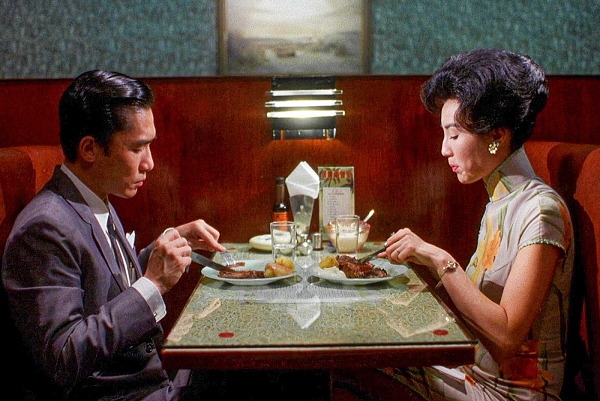
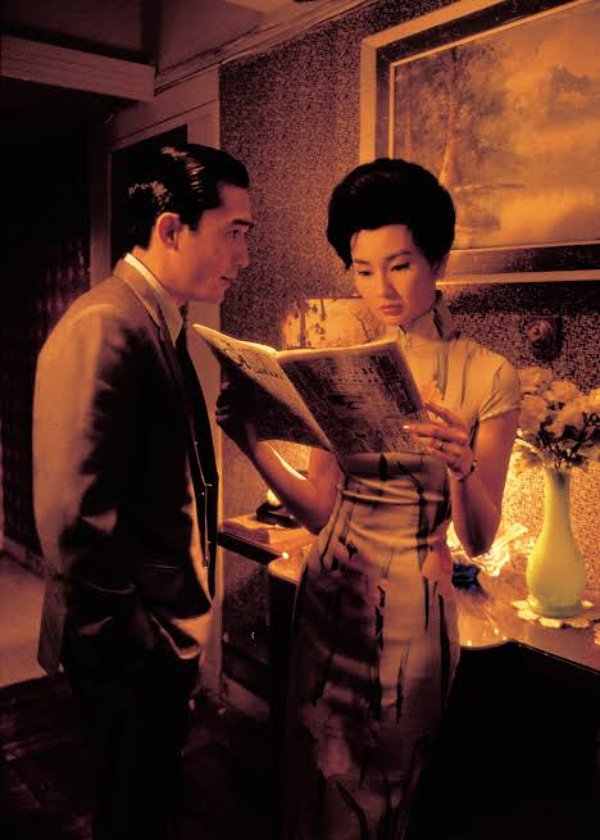
Yearners, melancholics, and film-lovers alike—in case you haven’t heard, Wong Kar Wai’s In the Mood for Love is returning to the silver screen at the Sands Theatre at Marina Bay Sands. Odds are, many of us have (very legitimately) streamed the film on a tiny laptop screen while lying in bed (right?). But now, we’ll finally have the chance to magnify all that ache and longing, experiencing the film as it was always meant to be seen.
Well, perhaps not quite, because there’s a slight twist—one that might make all that restrained passion haunt you on an even deeper level.
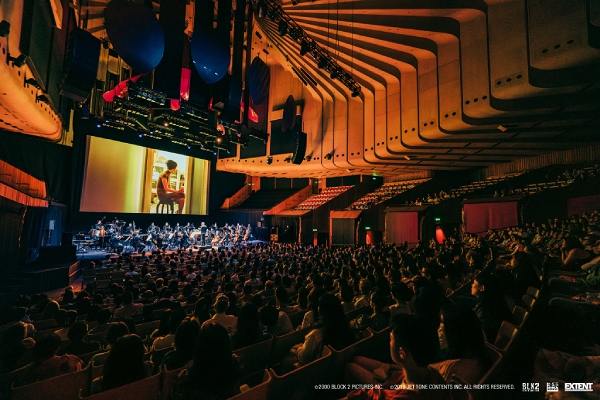
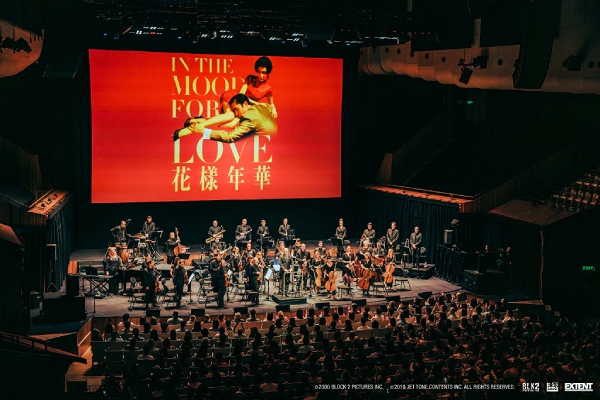
The Base Philharmonic Orchestra will accompany the film as it unfolds, with violins, cellos, flutes, and the whole nine yards under the direction of a lone conductor. Composed by Shigeru Umebayashi, the film’s legendary score will be performed live from beginning to end.
Ahead of the first screening on 24 October 2026, we had the privilege of picking the brain of the orchestra’s conductor, Joshua Tan, to answer some burning questions about this multisensory concert. The Juilliard-trained musician, who is also the current Music Director of the Singapore National Youth Orchestra, shared insights into the preparation behind the performance, Wong Kar Wai’s involvement in this, and what audiences can expect from the concert itself.
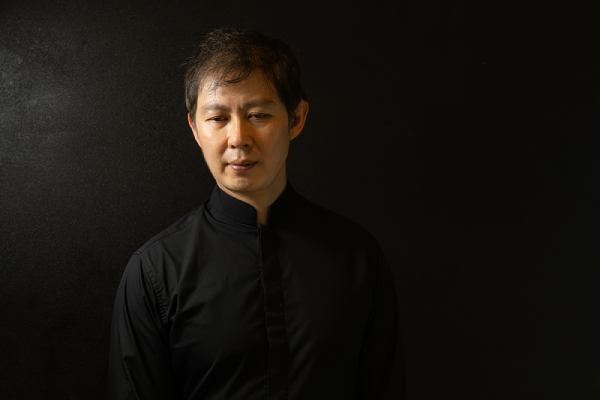
ESQUIRE SINGAPORE: What’s the secret behind keeping the orchestra locked to the pace of the film?
JOSHUA TAN: There's no secret actually. It takes a lot of studying and preparation on the part of the conductor to be as familiar as possible with both the score and the movie.
Although there is a separate screen with visual cues for the conductor, it is next to useless if one is not perfectly prepared for it.
ESQ: How many hours of rehearsal does a film-synchronised performance like this typically need?
JT: The cost for each rehearsal is extraordinary for any good professional orchestra in the world. However, because the musicians are wonderful, talented and professional, the typical rehearsal time for such an endeavour is kept to only the expected amount that is required for their level.
With a reasonably competent professional group, it is usually one rehearsal and one dress rehearsal.
ESQ: Was there direct involvement from Umebayashi, Wong Kar-wai, or the original music team in preparing this performance?
JT: When I did the Asian premiere in Hong Kong, Mr Wong was present during the final dress rehearsal and he spent quite an amount of time colour grading the projector. He was also very helpful in dishing out his thoughts and advice on how the music and visuals should come together.
ESQ: Is the orchestra going to be playing over the original score in the film?
JT: The orchestra will provide live music accompaniment to the film. It will not be simply playing over a recorded orchestra.
ESQ: How do you conduct something that is already so fixed? Where does interpretation still exist for you as a conductor?
JT: There are moments that are fixed, but for the majority of it, some spontaneity does come into play. Of course, there are moments where it needs to be synchronised with certain scene changes or points in the movie.
Therein lies the complexity or difficulty in such performances. If it is completely fixed, then what is the point of having live music? A case in point: with John William's music, he does not want the music to be fixed. Only at key points. That is why audiences keep coming back for such concerts.
It is only fixed when you watch the movie without a live orchestra. The experience is totally different when a dimension that is so important to the film comes alive.
ESQ: There will be musical motifs that return throughout the film, are you afraid of it getting repetitive at all for the audience when you’re performing it live?
JT: Not at all! It is not repetitive as the motif evolves and there are variations to it.
Each time the motif appears, it is not repeated wholesale. The moods conveyed are different. There are different emotions that are being suggested.
ESQ: Is there a specific scene of the film you’re most excited to conduct?
JT: All of it! Even the parts that I do not conduct are so visually stunning.
ESQ: Do you plan on going more for subtlety or spectacle?
JT: I plan to respect the wishes of the composer, and the vision Mr Wong has for his film and the music.
ESQ: What do you think audiences might notice when they hear the score with a live orchestra that they might not notice when watching it at home?
JT: How wonderful live music is, and how it is not possible to experience anything that is remotely close to what they will hear with this, even if they have a million-dollar sound system at home.