Down an unmarked alley, through a bustling storefront, behind a fake vending machine, by way of a sliding bookshelf, past velour curtains, via a secret door, whisper the correct passcode to reveal a hidden entrance to... another speakeasy—one that just might feed your deepest desire for ultimate exclusivity. Or, more likely, one filled with wannabe influencers, has-been socialites, and mid-week imbibers, a solid cross-section of those who suspect salvation is sometimes found at the bottom of an empty bourbon glass.
This nesting doll of novelty has become oh-so commonplace as of late, a relentless pursuit of the mystery, prestige, and escape from the mundane: The Narnia of Nightlife.
But in today’s world where every waking minute is Instagrammed, Tiktoked, Rednoted, or livestreamed, is the speakeasy concept, as we know it, dead?
Not exactly.
The original speakeasy emerged during the United States’ Prohibition era, a time when the manufacture and sale of alcohol was illegal. Forced underground, these venues became havens for much more than the cheeky dram or bootlegged bottle. Hidden behind false storefronts, in basements, or back rooms, patrons had to whisper to avoid drawing attention from the law, hence the name “speak easy.”
The speakeasy’s heart beats with the exhilaration of evasion and the camaraderie that’s born out of a shared secrecy. Fast forward to today, and the speakeasy’s crux has shifted from avoiding arrest to escaping the noise of generic, overcrowded commercial bars.
While the strict, literal definition of a speakeasy is a relic of the past, the concept is far from passé. Rather than perishing, it has transformed from a criminal necessity into a sanctuary of secrecy driven by the urge for genuine connection, immersive experiences, and the high of the hunt, amplified by narrative-led menus and
standout hospitality.
In an age of meticulously curated moments dominated by social media, the craving for clandestine nocturnal nirvana gave rise to the evolution of the speakeasy concept. Enter stage left: the hidden bar-within-a-bar; a refuge for those seeking both libation and liberation.
The hidden bar-within-a-bar concept builds on the speakeasy’s core notion, appealing to the innate appetite for exclusivity and adventure. The magnetism lies not just in the drinks but in the stories that unfold within their walls. From Hanoi to Shanghai, Singapore to Bangalore, these hidden rooms evoke intrigue, attracting casual imbibers and cocktail aficionados alike.
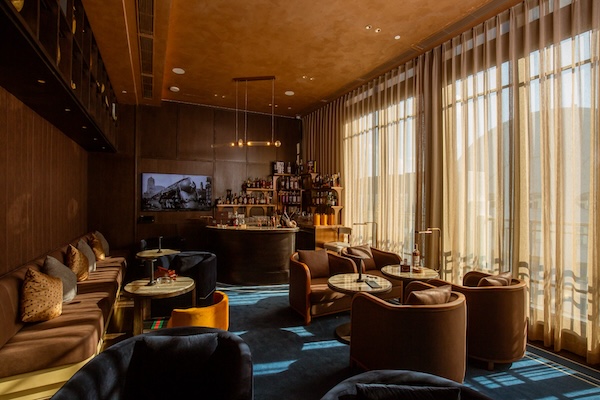
Track 61 at The Hudson Rooms, situated on the opulent Capella Hanoi’s rooftop, is a prime paradigm of this trend. Inspired by the secret train platform under New York’s Grand Central Terminal used by President Franklin D Roosevelt during the roaring ’20s, this invitation-only 16-seat whiskey and cigar lounge can be accessed via a discreet entrance that requires patrons to locate a hidden key.
“While the strict, literal definition of a speakeasy is a relic of the past, the concept is far from passé. Rather than perishing, it has transformed from a criminal necessity into a sanctuary of secrecy driven by the urge for genuine connection, immersive experiences, and the high of the hunt, amplified by narrative-led menus and standout hospitality.”
“In line with the soul of the original speakeasy, Track 61 is deliberately hidden from public view. Even filming the entrance isn’t permitted,” mentions Beverage Manager Sean Halse, furtively sipping the bar’s rum-forward welcome drink based on the legendary explorer Ferdinand Magellan’s adventurous spirit. “The idea is to preserve the feeling of discovering something that exists just beyond the obvious.”
Steeped in nostalgia, the atmosphere features vintage art deco décor, gold accents, and incandescent bulb lighting to the backdrop of throaty jazz that transports guests to the glamour of a bygone era. “For us, authenticity comes from maintaining the elements that originally defined the concept: discretion and discovery,” states Halse.
As the world becomes increasingly public, hidden spaces offer respite. They’re a reminder that not every experience needs to be broadcast; sometimes, the most meaningful moments are those intentionally shared in secret. However, the balance between accessibility and being free from the constraints of the public eye is delicate.
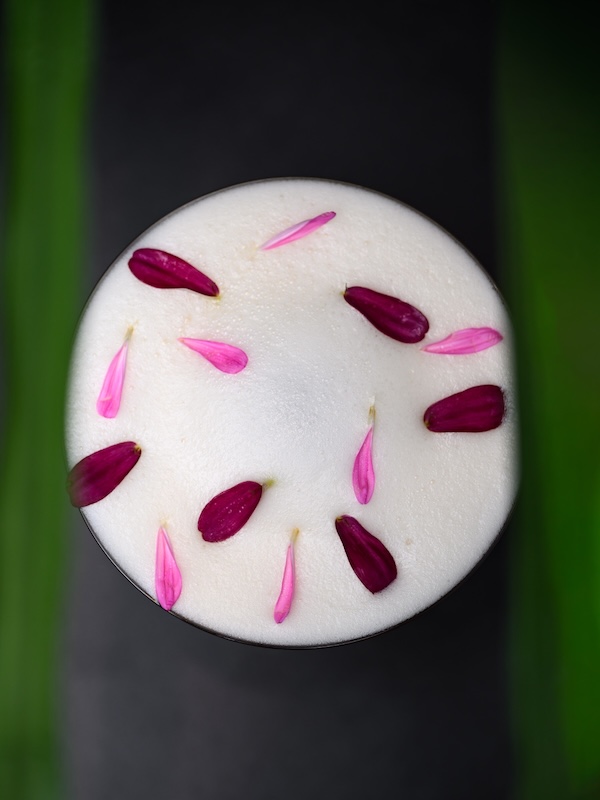
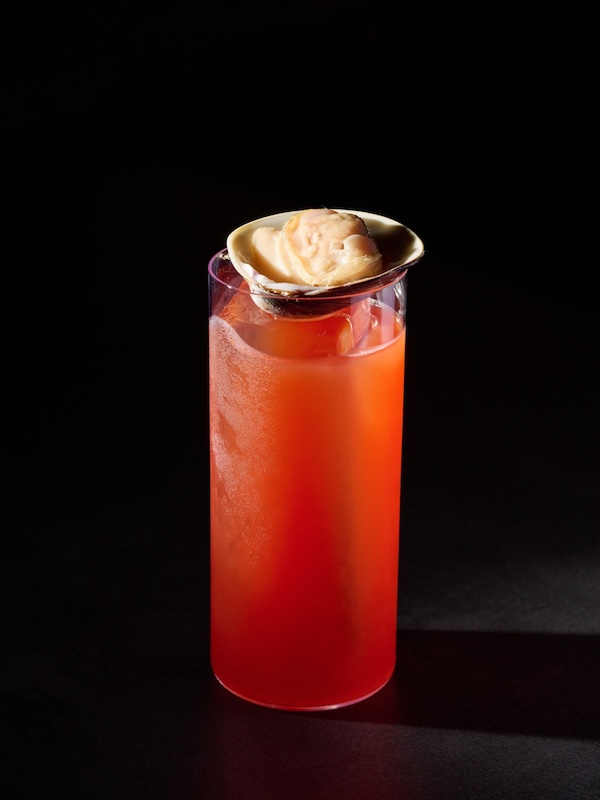
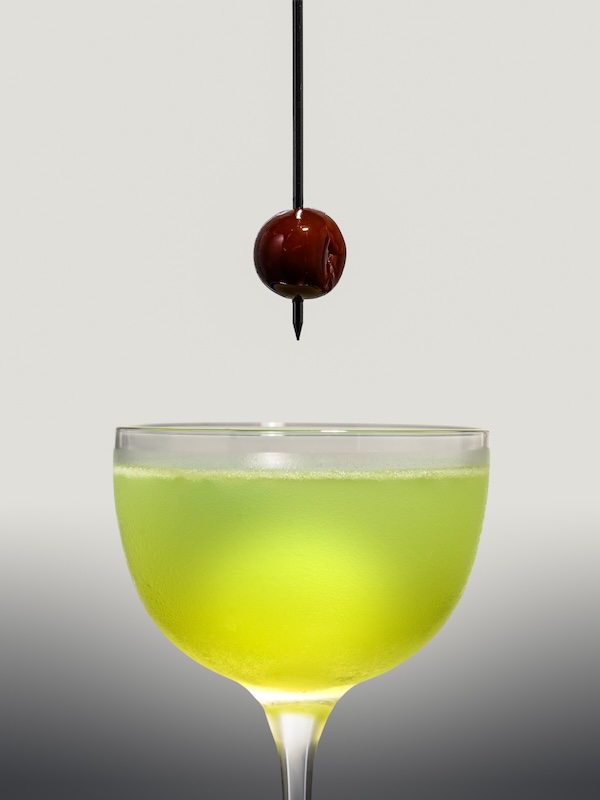
NAO (short for “not another office”) is a members/invite-only modern Japanese speakeasy located in a converted office space on the same premises as one of Bangkok’s most renowned high-energy live-music bars in the city. (NAO prefers to remain anonymous for this article to prioritise members’ privacy). “The majority of the guests who visit the live music venue don’t know NAO exists, and if they were to find out, it could potentially become detrimental,” explains Ike Taechanarong, co-founder and chef of said Ekkamai music venue.
“The music venue is expansive, unbridled, intense, making conversation harder to have. NAO is its counterpart.” With no signs or address on Google Maps, NAO is a quiet nook where guests and staff can connect through conversation and cocktails.
With an esoteric appeal, the cocktails spotlight Taechanarong’s love for gastronomy. Having worked in F&B his entire life—from after-school evenings in his dad’s Thai restaurant in California to becoming a sushi chef and moving to Japan to open a bar in Kobe before returning to Thailand—Taechanarong draws on past food memories from around the globe for NAO’s cocktail inspiration.
While some hidden bars, like NAO, thrive on the mystery of being difficult to find, others risk alienating potential patrons by becoming too insular. Striking the right chord ensures that the bar remains welcoming while still maintaining an air of mystery. Case in point, Tipsy was originally conceived as a true speakeasy concealed within the award-winning Sober Company in Shanghai. Tipsy guests were encouraged to refrain from taking photographs, and information about its existence was passed through word of mouth. There was also a coin-collecting requirement, whereby guests had to collect a coin from each of the three levels of Sober Company before gaining access to Tipsy.
Since Sober Company moved to its current location in 2023, Tipsy has become considerably larger and more accessible, acting as a quieter peer to the buzzing Sober Sakaba with which it shares a roof. The two are deliberately different experiences: one is about liveliness and conviviality; the other is about cocktails, conversation, and a more concentrated appreciation of mixology.
The hidden bar heritage is still part of Tipsy’s DNA; however, the new Tipsy is a natural progression: a 37-seater designed as a memoir of cocktail culture. “Rather than thinking of a bar simply as a physical space, we tend to think about it as a journey: how the experience changes as guests move through different environments, and how different concepts can coexist and complement one another,” says Michael Chen, General Manager of SG Group. “Tipsy therefore retains some of the spirit of a hidden bar, but it’s no longer dependent on concealment to create its identity.”
“Beyond a mere marketing gimmick, the hidden bar-within-a-bar concept reflects a growing pushback against digital fatigue and a desire for private, profound experiences. Paradoxically, most modern hidden bars rely on social media gravity to stay afloat financially. It’s an inherent contradiction where the pageantry of secrecy is, in reality, broadcast to millions, thus gamifying adult nightlife.”
Tipsy’s evolution mirrors a broader trend in the bar industry: as patrons seek out a deeper connection with their surroundings, the notion of a hidden space becomes less about confidentiality and more about creating an environment that fosters meaningful interactions. The intimate setting encourages guests to engage with bartenders, allowing for a deeper appreciation of their craft.
In that same vein, Goa’s Bar O—a six-person omakase-style tasting room operated by the Bar Outrigger team—lends another layer to the hidden bar narrative. More than just a bar, Bar O is a reflection of the region’s cultural heritage. Outfitted in a space that once served as a taverna for local fishermen, Bar O honours the space’s history while pouring something entirely new.
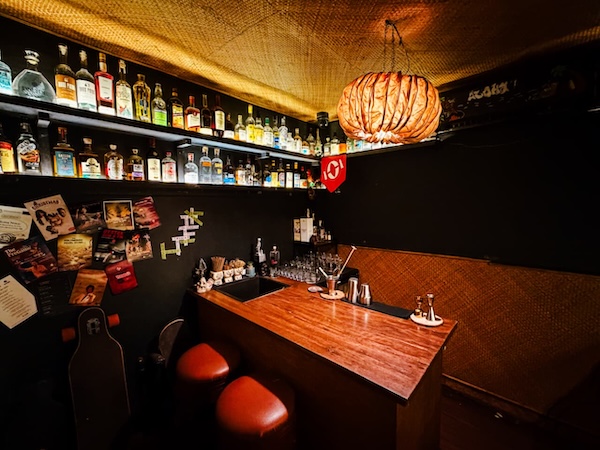
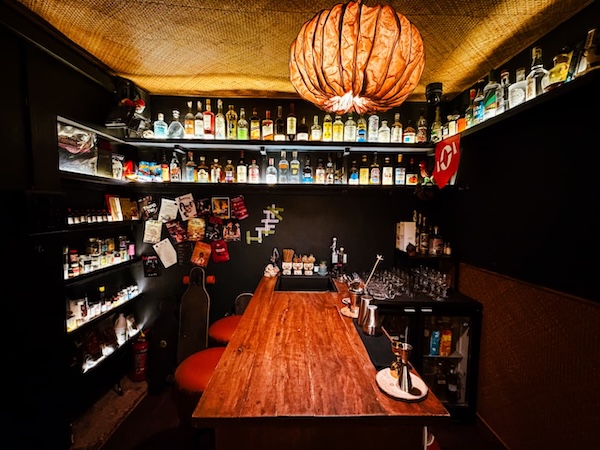
“We offer guided tastings and small-format guest shifts for the kind of audience that understands and appreciates this level of craft,” explains owner Arijit Bose. “We’ve also had politicians and actors visit as they don’t want to be seen in public yet still want to enjoy a rum coupled with beachside vibes.”
The three-hour, pre-bookable Bar O experience traverses four off-kilter, personalised tipples, each boasting unexpected ingredients, from locally-sourced shrimp to wildly foraged mushrooms. A liquid library tasting of rotating rare spirits from the Bar O line-up follows for an educational spin on the average night of imbibing.
The handwritten cocktail recipes scrawled across Bar O’s walls, and the countertops lined with all manner of molecular gastronomy gadgets hint at the room’s other use: a lab and prep space that “allows us to sidetrack from what our usual bar operation requires of us,” notes Bose.
Like Bar O, The Last Stop—a private living room of sorts nestled inside Singapore’s Last Word—is all about creating multiple layers within one destination, so that moving from one space to another also means shifting into a different mood and drinking culture.
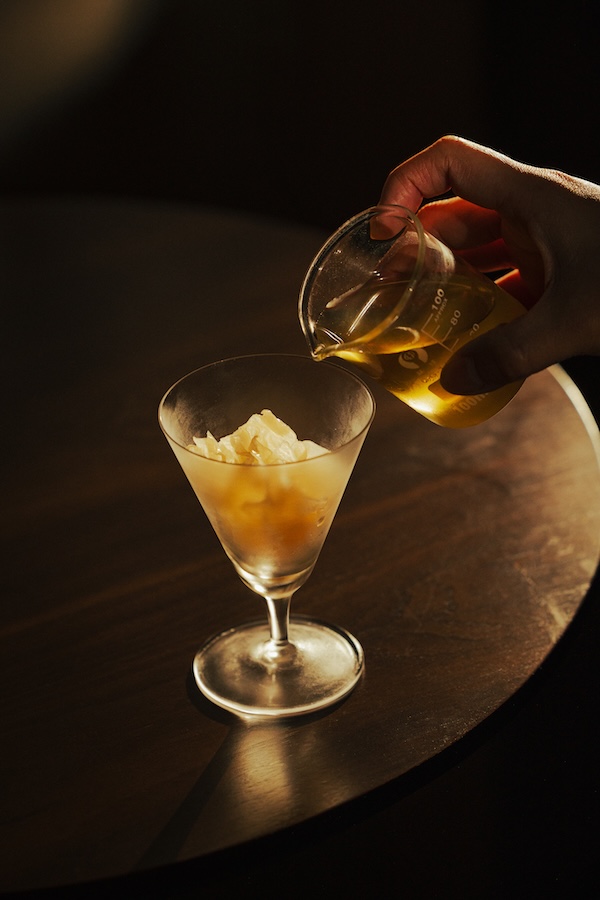
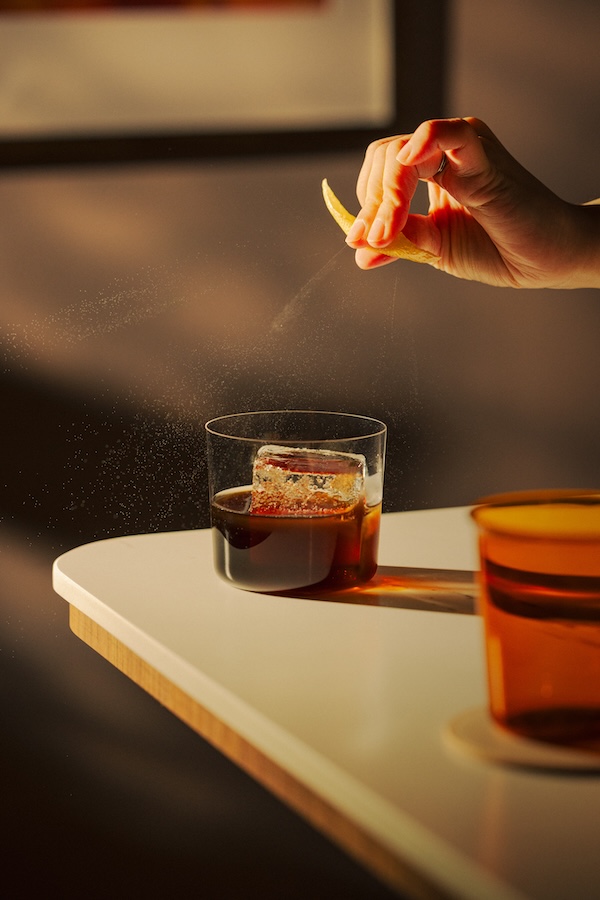
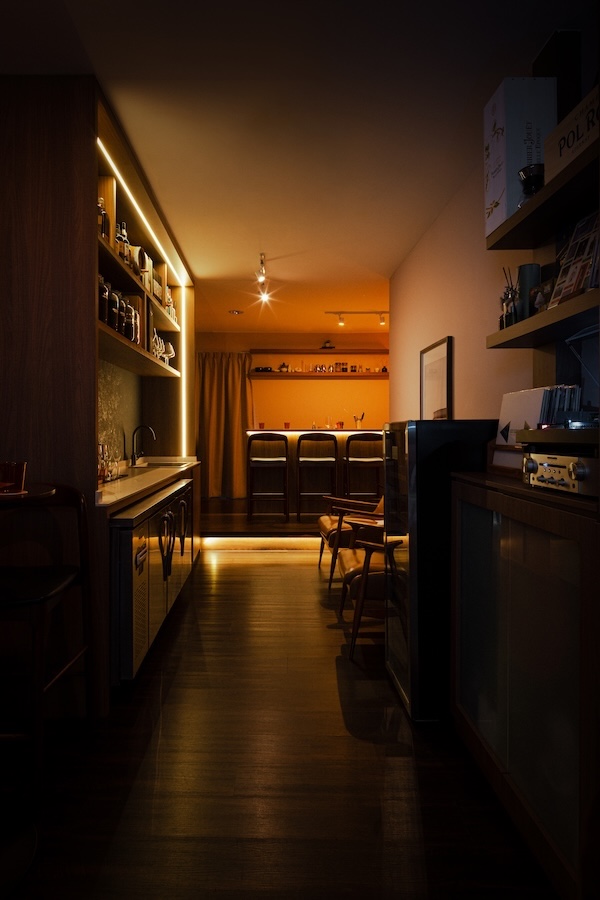
With only 12 seats, this cosy retreat at the back of Japanese minimalist-style dram den Last Word is the last stop—thus earning its name—before returning home, a place where guests can unwind after a long night. The cocktail menu sees lighter, floral and tea twists on classics, designed for easy sipping. Intentionally familiar, Last Stop’s calm atmosphere deviates from the vivacious personality of its parent bar.
Last Word founder Colin Chia remarks, “While creating the concept for Last Stop, we thought about that part of the night when you’re not quite ready to go home, but you also want to slow things down.” Last Stop allows the night to progress via a different route.
“The fact that it’s tucked away gives visitors that initial moment of discovery. But once inside, it’s actually not what one might expect from a traditional speakeasy,” adds Chia. Designed to let the energy of the main bar fade into something more relaxed, Last Stop’s furnishings reflect this character, with soft lighting and comfortable seating that encourages guests to linger.
“The hidden door and secret entrance of the now commonplace speakeasy can be fun, but the novelty isn’t enough on its own any more,” muses Chia. So, while Last Stop is an extension of Last Word, it has its own personality and pace.
Also championing intentional mixology and conversation-friendly environments over high-volume club chaos, The Bunker Room—inside Hacienda in Bangalore—provides a platform for bartenders to express their creativity through the use of unsung spirits and rare techniques that don’t make business sense as part of routine day-to-day operations in a larger bar.
“People come for Bunker Room’s eight-person bespoke experience: our fortress of solitude,” lends founder Arijit Bose. Through relentless R&D and ingredient-led conversation, cocktails begin as science experiments and develop into thought-provoking sippers.
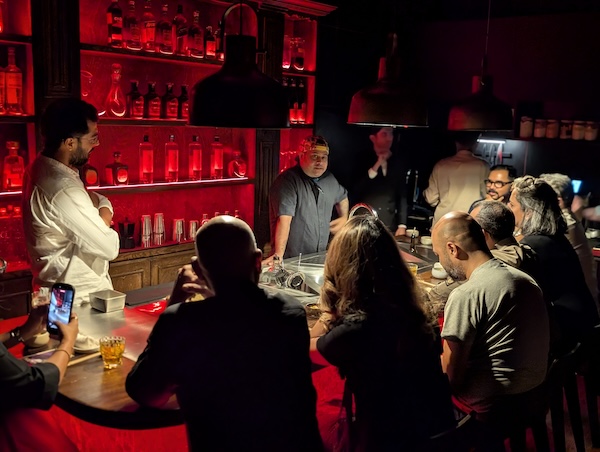
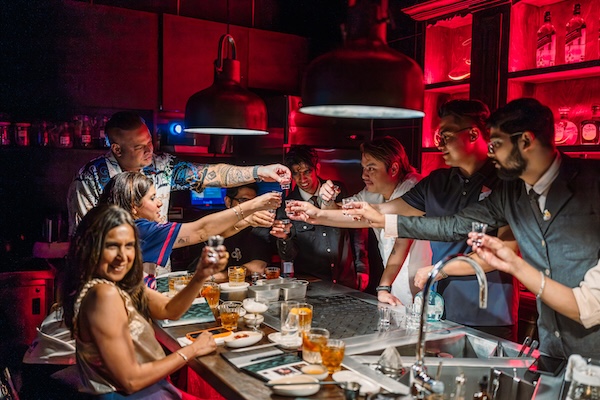
Bose relays, “The Bunker Room is not about explaining cocktails. It’s about making them unforgettable. No unnecessary theatrics. No technical lectures. Just cocktails with purpose and hospitality that lets the experience speak for itself.”
Other venues across the Indian subcontinent—like Barbet & Pal’s basement bar The Cavity, that offers a 9-course culinary and cocktail pairing for a dozen guests only on weekends; ZLB23’s newly opened Theater, which sits at the junction of magic, music, and mixology; and Kin-Rü, an elevated cocktail lounge inside Hyderabad’s Rü, is designed around the Japanese philosophy of kintsugi (the art of repairing broken pottery with gold, thus giving it new life)—lean into the speakeasy ethos that contrasts markedly with mainstream nightlife.
Beyond a mere marketing gimmick, the hidden bar-within-a-bar concept reflects a growing pushback against digital fatigue and a desire for private, profound experiences. Paradoxically, most modern hidden bars rely on social media gravity to stay afloat financially. It’s an inherent contradiction where the pageantry of secrecy is, in reality, broadcast to millions, thus gamifying adult nightlife.
To combat the culture of relentless recording, a new wave of venues actively bans photography to preserve genuine mystery. And this shift is evident not only in the bar world but also in the dining scene. Highly acclaimed restaurants, like five-time winner of Asia’s top restaurant according to The World’s 50 Best, Gaggan in Bangkok, have embraced this notion by offering an entirely electronics-free meal. The focus is on the experience itself, allowing guests to be fully present. This trend reflects a plea for authenticity when everything else is often filtered through a digital lens.
Patrons are seeking out venues that offer not just a drink but a narrative, a story they can be a part of. The thrill of the discovery, the appeal of exclusivity, and the warmth of human connection all converge in these intimate spaces.
Behind closed doors, the timeless allure of the spirit of the speakeasy lives on without the overdone cloaked entrance and password-required bells and whistles.
It’s no longer enough to frequent a globally ranked outpost. Instead of seeking out the place to be seen, now the tables have turned, and social status cachet dictates not being seen. There’s an enjoyment to the seclusion that goes along with a handpicked group of patrons who are willing to eschew social media clout for a tailored atmosphere to match.