China is so different now—I’m hearing this on repeat from friends who frequent Shanghai, Beijing, Shenzhen and other parts of Mainland China for leisure, and even those based there. It’s been eight years since I last stepped into the country, and I felt a need to satiate my curiosity. So after a quick work trip in Hong Kong in June, I decided to pop by Shanghai for a couple of nights to experience the changes for myself.
No one can dispute China’s importance. It is one of the largest economies in the world, and it alone makes up about 17 per cent of the global population. For the past few years, it has also been highlighted as the culprit behind luxury’s slowdown. It’s a nuanced conversation, of course, one that counts many factors in play. But having visited some of Shanghai’s popular (and crowded) shopping districts, it isn’t that the Chinese are not shopping domestically, but rather, they’ve shifted what they’re spending their money on. And the same goes for the tourists visiting the country.
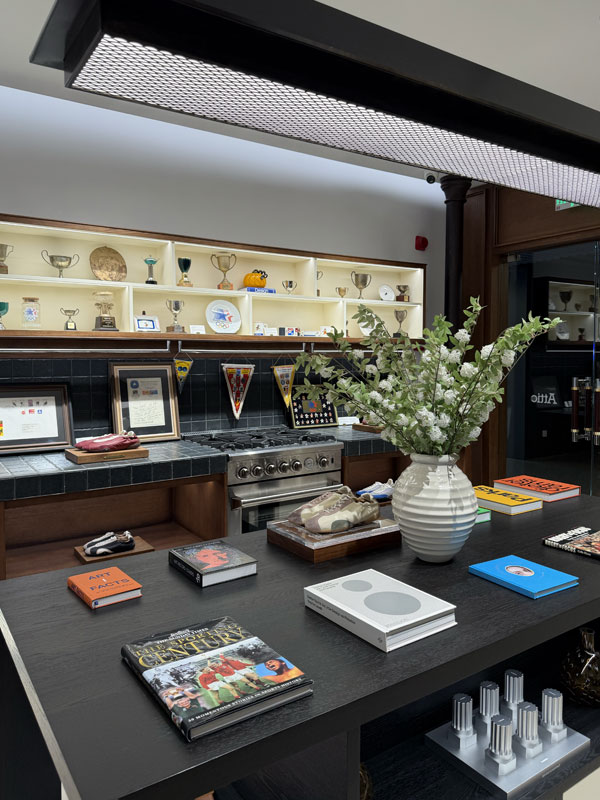
Top of my list of places to visit in Shanghai was Yongyuan Road. The 500-metre stretch of road that’s a quick walk from Jing’An Temple has become a new development where local brands and international ones operate in tandem in a setting that’s unlike a traditional mall format. Yongyuan Road consists of a pair of small buildings with an open green lawn in between them. The tenant mix is eclectic, but this is where you’d get a teaser of what Chinese brands have to offer in the fashion space. Contemporary fashion and lifestyle brand Common Scents curates a healthy selection of its unisex-driven menswear offerings in a cosy interior that feels like an incredibly stylish home. Around the corner, you would find PANE, the popular Chinese footwear brand with sneakers modelled after vintage sports shoes. Its Yongyuan store is the brand’s Shanghai flagship and spreads across two levels where the shoes are displayed alongside vintage sports trophies and record players. For more streetwear options, theboyhasnopatience, and Randomevent stock a heady mix of everyday fashion with big-name collaboration pieces thrown into the mix from time to time.
In some ways, Yongyuan Road reminds me of what Seoul, South Korea, has achieved with Seongsu. That used to be an industrial area where you could find small factories focused on making footwear along with other light manufacturing businesses. It has now grown to be one of Seoul’s trendiest areas with branded pop-ups, quite literally, popping up now and then. It’s also home to some of South Korea’s most popular brands spanning fashion and beauty—from Ader Error to Gentle Monster to Olive Young’s biggest store in the country. There’s even a Dior boutique (among other international brands) that has become a sort of icon and landmark of the area owing to its design and architecture.
What Seongsu and Yongyuan Road have in common is that they both offer a curation of each country’s style sensibilities in immersive ways. Brick-and-mortar stores aren’t redundant—they just need to be more than a transactional exchange. Gentle Monster does so exceptionally well. Its retail stores are part art galleries with larger-than-life installations that create photo opportunities for guests. In fact, I visited HAUS NOWHERE SHANGHAI—the multi-label concept that houses both Gentle Monster and Tamburins together—and there were orderly lines for photo opportunities against the installations that were comparable to the lines for making purchases.
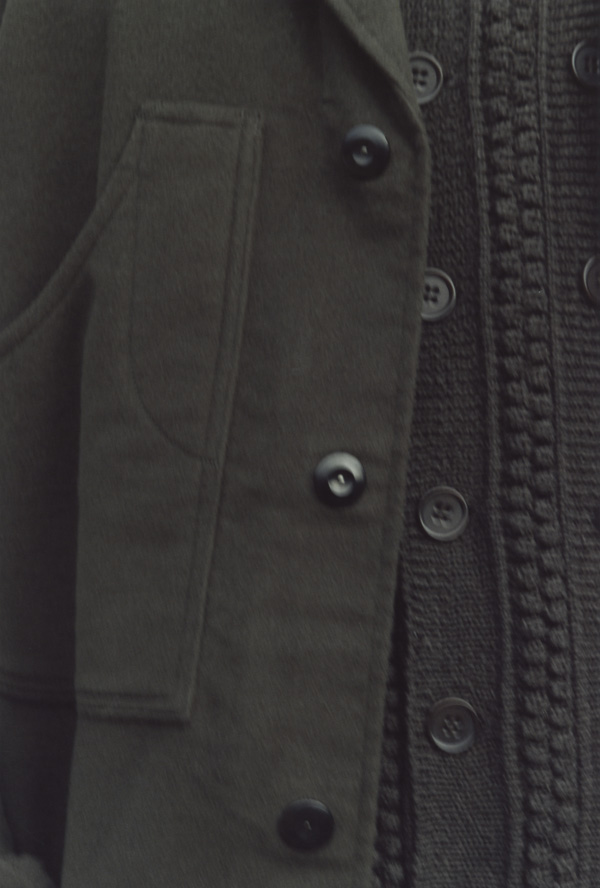
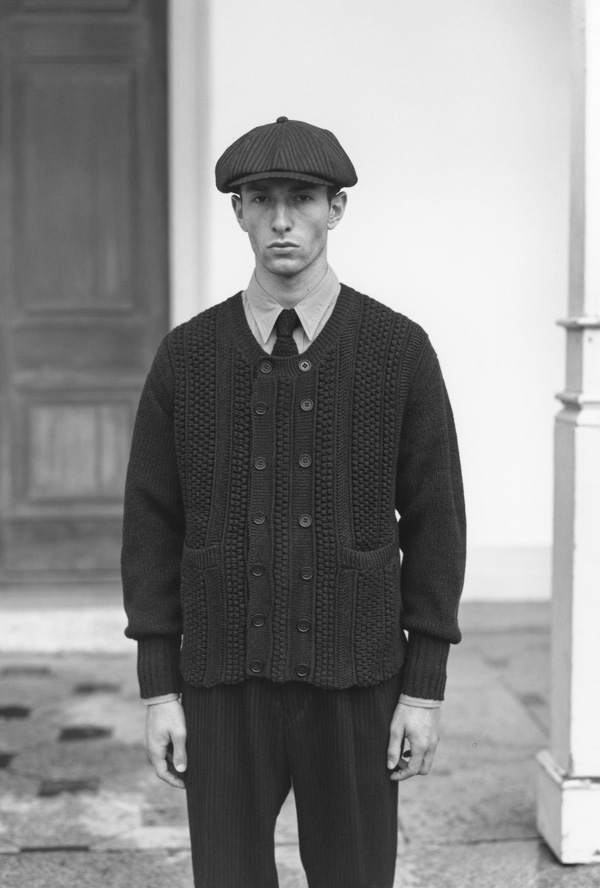
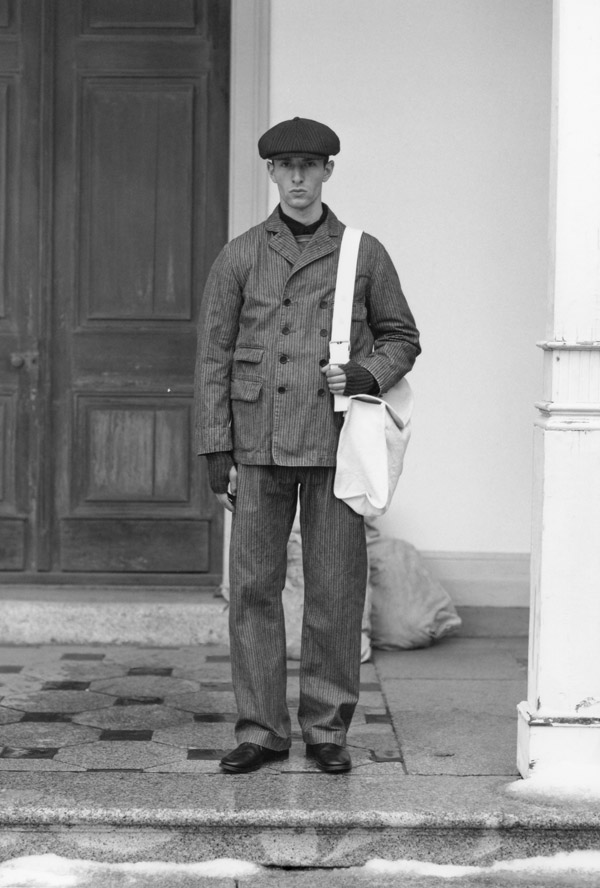
In Japan, the scene is a little different. It’s already an established cultural hub of the region with plenty of widely recognised designers and brands. We’d typically count Comme des Garçons’ Rei Kawakubo as well as Yohji Yamamoto as legends in their own right. And just like the aforementioned designers, you’d immediately associate the country with bustling Tokyo. But it’s up-and-coming fashion brands and those with a cult following that can be found in the quieter areas of Japan.
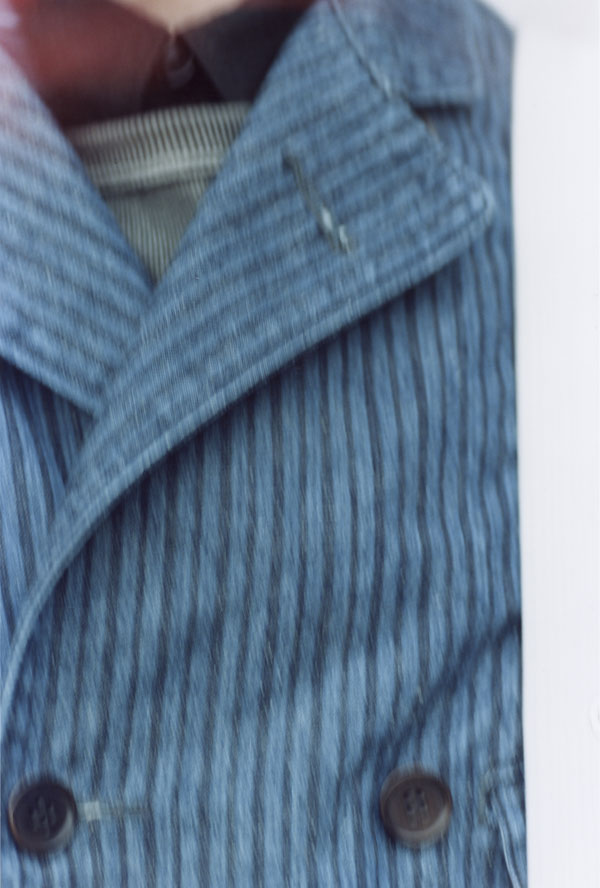
Kyoto’s more serene and culture-forward vibe is quite a contrast to Tokyo. Among the many shrines and temples, the fashion almost blends in like a spiritual extension. One of them is T.T, the brainchild of late Japanese designer Taiga Takahashi. The brand’s flagship store is located in Gion, Kyoto’s district famed for its traditional architecture and spotting maikos on the streets. T.T is tucked away in an obscure alley; you’d have to know its location to find it. Designed like a contemporary art gallery with dim lighting simulating natural light, T.T features only two walls of merchandise. The intentional space reflects Takahashi’s design ethos that’s focused on preserving and highlighting time-honoured craftsmanship for a new future. T.T embodies this with its excellent use of materials (the denim is impeccable) as well as emphasis on construction technicalities and details instead of loud design cues.
The second floor of the T.T store is Rust Sabi, a tearoom that operates on a reservation-only basis. The menu changes constantly with courses pairing sweets together with Japanese tea and cocktails crafted from tea leaves. Rust Sabi is an extension of Takahashi’s craft, and allows guests to fully immerse themselves in what he and his brand represent.
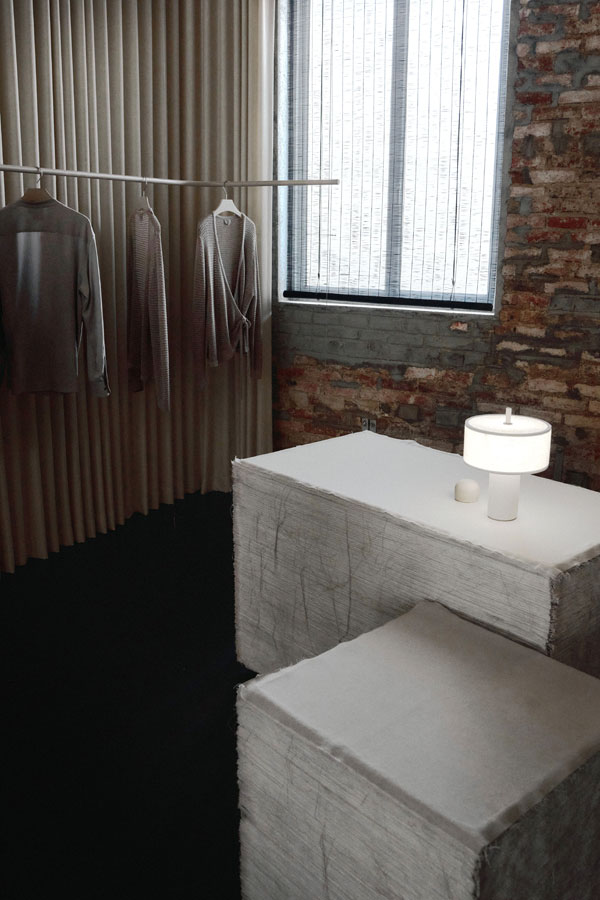
By now, you would have noticed a theme. Asia understands that a brand name counts for nothing without world-building. Competition from big players has spurred Asian brands to be more creative in how they introduce themselves to their own communities first, before even thinking of expanding out into the world. This innovative spirit, coupled with interesting approaches to design, has clearly resonated with an increasingly global audience. It helps too that the price points are relatively more palatable, even with a high level of craftsmanship and sense of design.
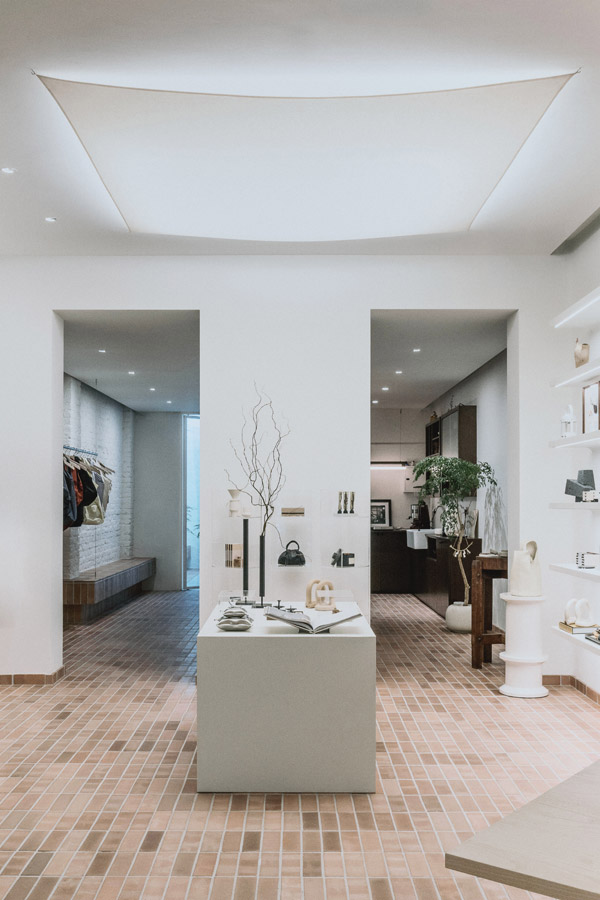
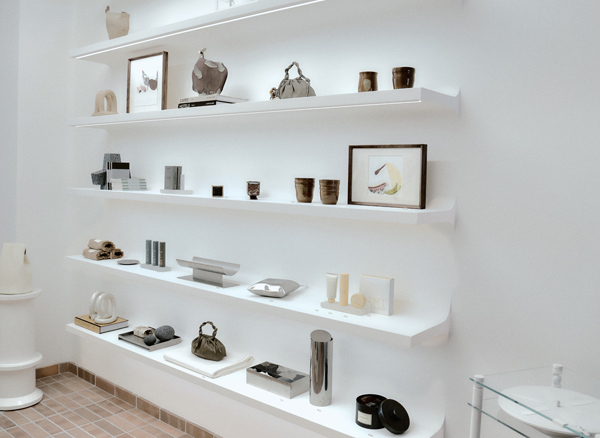
We don’t even have to travel out of the country to witness this. Homegrown brand IN GOOD COMPANY recently opened its first standalone lifestyle concept store in the hip Joo Chiat enclave. Taking up space within a conserved heritage shophouse, the new store invites customers to discover not only its own designs, but also a curated selection of objects by other artists and brands that all fall in line with IN GOOD COMPANY’s sensibilities. The brand’s belief in combining fashion and lifestyle from the very beginning of its inception continues towards the back of the ground floor. The space is occupied by MIURA, a tea and wagashi concept. And as one expects of IN GOOD COMPANY, the interior exudes a space well-designed and respectful of its heritage. Much of the original architectural features have been retained, and in some cases, left exposed as an intended dialogue of the past and the present.
There has undoubtedly been growing interest in Asian fashion brands in the past couple of years. 2025 LVMH Prize winner Soshi Otsuki of SOSHIOTSUKI gained immediate recognition after winning the award, showing his first runway show ever as a guest designer at Pitti Uomo in January this year. And for this past Paris Fashion Week Men’s for the Spring/Summer 2027 season, the SOSHIOTSUKI show ticket was easily one of the most coveted (this style director unfortunately didn’t score a seat).
What I did manage to catch in Paris was Chinese brand Yearly Plan. The brand was founded in 2018 and designs minimalist fashion—ready-to-wear, shoes, and bags—with superb quality. It takes a lot of inspiration from Chinese culture but translates it into abstract and at times esoteric manifestations. The Spring/Summer 2027 presentation showcased an impressive array of garments swathed in a palette of neutrals. The details are cleanly finished, with function guiding most of its application.
Founder and designer behind Yearly Plan, Lynn, shares that the name of the brand "reflects the idea of an annual wardrobe, a collection of garments designed to accompany the wearer over time." She continues, "Since founding the brand, our design philosophy has naturally evolved. Initially, we focused on building a cohesive wardrobe. Our focus has since shifted toward exploring how design can respond to the way people live, creating work that feels relevant to its time."
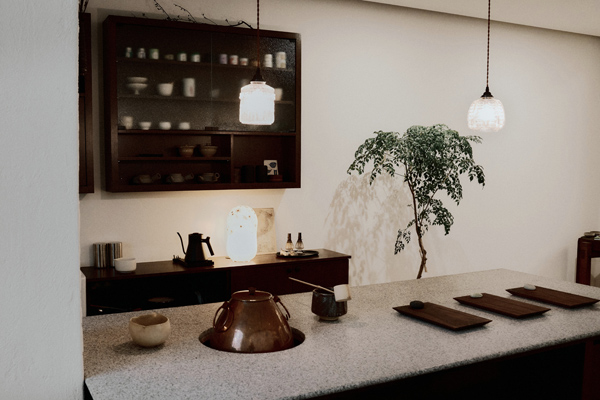
Together with the presentation, Yearly Plan invited tea practitioner and curator Yu Yuanxiao to present “Xun”, an installation to explore the shared language between tea and craftsmanship. It reflects Yearly Plan’s Spring/Summer 2027 collection where time is measured in tangible means—through craft, and the change of materials and objects. "For me, culture and everyday life have always been the foundation of design. They shape its character and give it warmth. Art, on the other hand, is a form of expression that allows people to experience and share beauty, emotion, and creativity. Design connects the two, transforming experiences from life into something that can be expressed through clothing," Lynn shares.
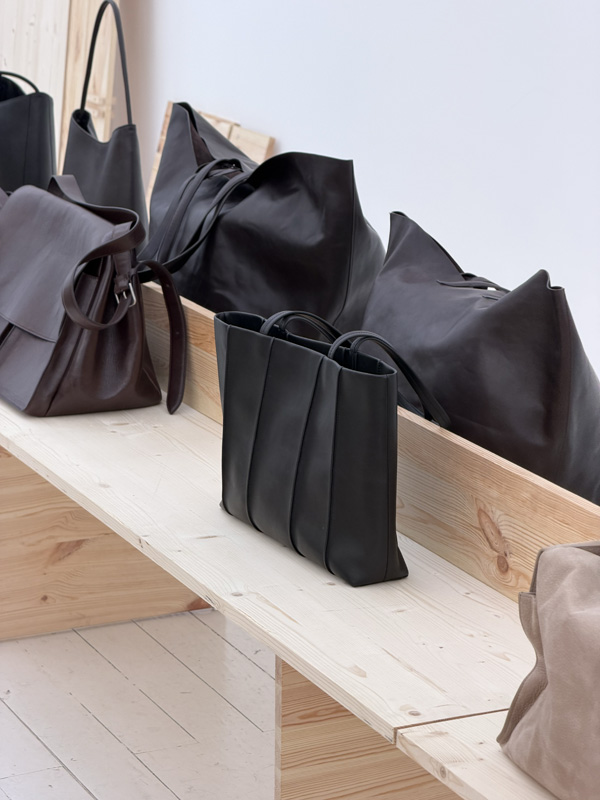
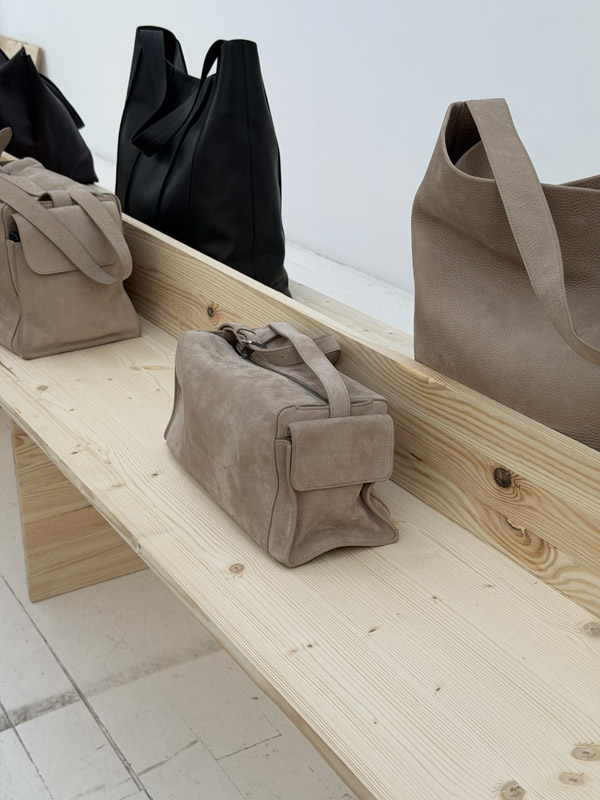
I left the presentation feeling awed, not necessarily by the collection. Yes, it was by all means a solid, beautifully crafted collection. But the feeling that it invoked, relating so much to a culture that I am also part of, albeit not very closely connected to, made it distinctly different.
"I don't think too much about defining the brand through its place of origin," Lynn tells me. "Today, people are less concerned with where a brand comes from than with why it exists and what it stands for. As the market becomes more mature and discerning, what truly resonates with people is authentic creativity, cultural depth, and a genuine understanding of the times we live in."
Perhaps that is the reason much of Asia’s spending is gravitating inwards—we just get each other. And the verdict of my sojourn? Yes, China is indeed different now. And so is the rest of Asia. For the past few years, we have built up our own narratives, repackaging heritage in more contemporary ways without losing sight of our roots. And the world is taking notice.