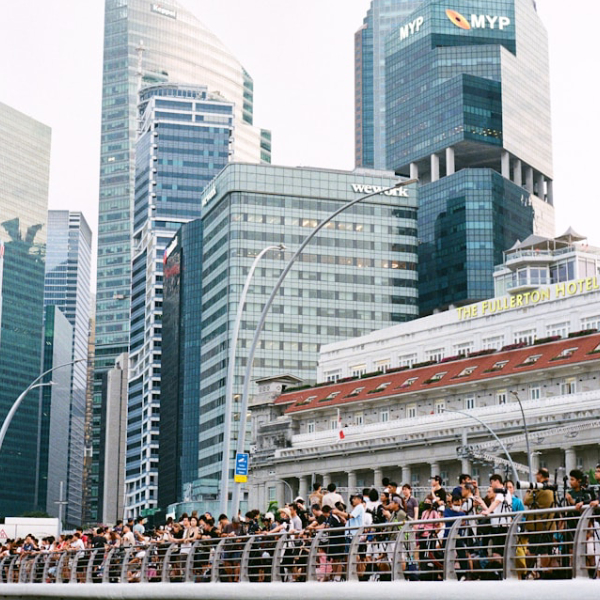
Singaporeans do not have the time of day. We are flurrying pavements, whizzing through emails, barely cramming anything outside work into an already packed schedule. It is a fast-paced country. If you don’t keep up, you get left behind.
Singaporeans do not have the time of day. We are only able to access entertainment that fits our convenience. Musicals and theatrical shows play at fixed timings. We have to settle for two hours of brain-numbing Netflix blockbuster a week, three hours of C-drama daily, or more than 40 hours of Esports across a tournament.
Singaporeans do not have the time of day. We can’t take up sports requiring consistent hours of training to master. We have to pick from recreation with low barriers to entry. Previous generations spent regular hours on end on table tennis and badminton. We’ve since switched to equivalent sessions of pickleball and padel.
Singaporeans do not have the time of day. We do not have the headspace to plan an exercise regime. We can simply pay personal trainers at fancy gyms, or follow a set programme at a pilates/yoga/spin/F45 studio. Or better yet, we can join a run club (it’s free!). We can scarcely engage in something as time-consuming as a global competitive CrossFit event.
Singaporeans do not have the time of day. We only get excited about sustenance as part of our ingrained survival mode. If we do not deplete this precious resource on weekend brunch or buffet, it is, Which international chain just launched its first outpost here to queue at?
Singaporeans do not have the time of day. We cannot travel; we can just sightsee. It is more efficient to revisit popular destinations and try purely peer-approved recommendations. These countries must have direct-flight airports, of course. Truly exploring off-the-beaten-paths and eye-opening experiences is a luxury we certainly cannot afford.
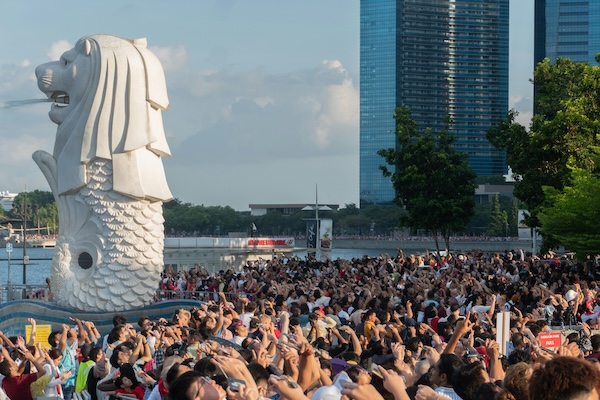
Singaporeans do not have the time of day. We rarely pursue insignificant endeavours. With optimised online infrastructures and highly competent transport systems, we redirect leftover waiting anxiety towards compulsive consumerism. Crowding for a flower market exhibition—by an artist we’ve never heard of prior—and hunting for exclusives at ridiculous resell prices that we will forget next year, is quite so important.
Singaporeans do not have the time of day. We compensate for feeling constantly swamped with the quickest dopamine fix: scrolling for the best deals on e-commerce sites, or the latest collab drop. We don’t recognise that the high comes from the anticipation of the purchase rather than the product; fading with its perceived novelty.
Singaporeans do not have the time of day. We never really processed the unconscious stifling that came with conforming to a cookie-cutter rat race. Instead, we signal individuality through our possessions, conveying identity solely via material means.
Singaporeans do not have the time of day. We have not managed to pause and ponder the deeper implications of our collective behaviour. We curb loneliness by patronising communal arenas like malls and clubs, trading true social connection for a transience of moving presences.
Singaporeans do not have the time of day. We do not reflect on how we seek temporal stress relief, only to repeat the pattern without addressing the root of the issue. We spend extensive durations towards inconsequential achievements in the virtual world all to retain a sense of control, or gain some semblance of escape.
Singaporeans do not have the time of day. We do not like to waste five minutes reading an exposition on how we’re not as busy as we think, and reassess our priorities. We’d much prefer to feel productive, expending energy on 10-second reels, buying things we don’t need, or queuing for something that will eventually be expelled from the body.