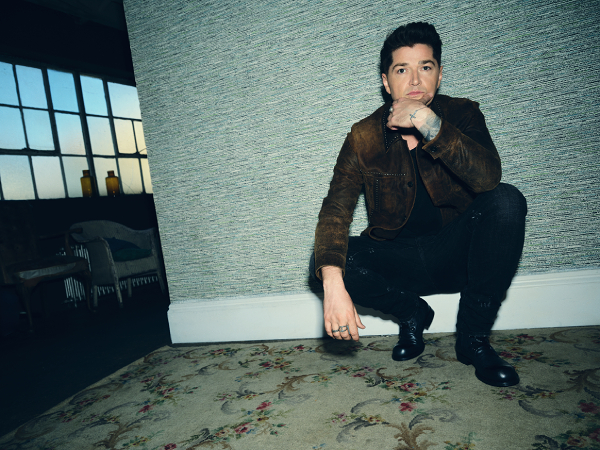
Somewhere in America right now, a brass band is probably playing "Hall of Fame." A group of schoolkids may be singing "Superheroes" at assembly. And if there's a boxer walking out to a Script song this week, there's a good chance Danny O'Donoghue is watching from his couch, delighted all over again.
It’s been 18 years since The Script first broke into the scene, creating music that defined an era through addictive hooks and wistful lyrics—lyrics drawn from O'Donoghue’s experience of being human. We get a little more of that with the upcoming release of the band’s album titled The User's Guide to Being Human. We caught up with O'Donoghue to talk about all of it: the people hiding in his lyrics, his nearly 30-year love affair with Singapore, and why he thinks ego is the enemy of good art.
ESQUIRE SINGAPORE: Your songs have been featured in a plethora of different films and TV shows over the years. Is there a favourite show you've ever seen your songs being used in?
DANNY O'DONOGHUE: Favourite show... yeah, well, we've been very lucky because we've had stuff like Beverly Hills, 90210, The Hills, we've had it in movies. It's been a blessed career in that way.
But my favourite one is when I see boxers walking out to “Hall of Fame”, because I love watching boxing. If I'm sitting there and then all of a sudden I hear the piano, it's like two of my worlds combined—you've got sports coming on, and then that song comes out.
But yeah, nearly every day something comes up. They used “Superheroes” in Kobe Bryant's memorial show, with all these crazy drones. It's amazing because every day someone will send me something new, maybe some big brass band in America playing “Hall of Fame”, or kids doing “Superheroes” at the start of school. It's really fun to see people take your music, be super creative with it, and then throw it back to you.
ESQ: You're going on your Asia tour soon, but this won’t be your first rodeo. How has touring across Asia changed how you think about your own audience?
DO: I wouldn't say it's about my own audience, it's definitely about songwriting. We've noticed that songs that are too rhythmic and word-heavy don't land as well, because English is often a second language in Asia. People have their own dialect, and English is something they learn in school. Certain songs, particularly stuff like “We Cry”, didn't really go down very well, because people don't really know what we're saying. It's so fast and rhythmic that it just passes by the ear.
With songs like “Breakeven” or “A Man Who Can't Be Moved”, people can follow the storyline, because we're storytellers, not abstract artists. Some songs just say a lot of cool words, and others want you to listen to the story: a guy, a girl, they break up, this is what happens. In a Script song, there's always a payoff in the chorus that you need to listen to and understand. So we found: don't get too complicated with the words or rhythm in order for somebody to get the song. That's one lesson I've learned.
ESQ: What about Singapore? Is there anything about Singapore in particular that's different from the other stops you've performed in?
DO: Just the people, really. We've been there enough times. Some people say the audience can be a little standoffish, but I don't believe that. In a Script sense, our fans in Singapore definitely aren't. They sing every single word, they scream in between the songs. I do love it.
I've been going to Singapore pretty much since I was 18, so nearly 30 years now. We just have the best time there. I think it's a little more Western than some of the other places we've played over there—not too sure why, but I just love it. I love the food, I love the beer, I love everything.
ESQ: Have you ever worried that specific people in your life might hear the songs you write and recognise themselves?
DO: Yeah, sometimes I do it on purpose. I've often wondered if Stevie Wonder wrote "Mr. Know-It-All" about somebody specific, I would've loved to write that song. You know, it’s kind of like, be careful how you treat me because you might end up in the song. It's almost a warning to some people (laughing).
The girl from “The Man Who Can’t be Moved” knows it's about her. “Breakeven” as well, she knows that song is about her. And there are other songs about family members. I'll put something in the song that's very unique to the situation, something only they would know, that nobody else would. So although I don't name and shame anybody, we very rarely use names in songs. Maybe like "K," that's a name we've used.
Even in the new album, we've got a song called “Grow Old With Grace”. My wife's name isn't Grace, it's Anaïs, but her name in French means grace. So it's to grow old with grace, but also to grow old gracefully.
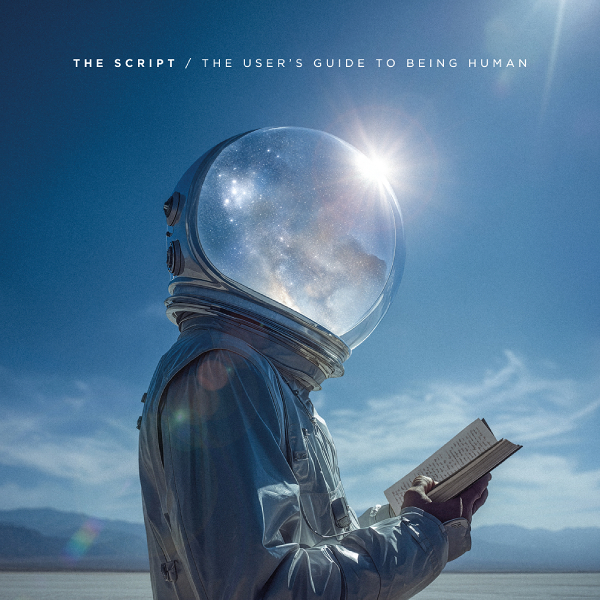
ESQ: Speaking of the new album—it’s coming out soon, and it’s called The User's Guide to Being Human. Could you give us a user's guide on what the ideal environment for someone listening to the album for the first time should look like?
DO: Ah! (laughing) At nighttime, in your bed, with the volume up full, earphones in. Just allow your eyes to close into black and let the music project the story into your mind. With every song, don't have any visual distractions, don't be online, don't listen on your phone, just fully submerge yourself.
It's not that long, you can leave your phone down for 50 minutes and fully submerge in it. I believe it's a very visual album; you'll get a lot of pictures in your own mind as you're listening to it.
ESQ: Do you have a favourite line from the new album?
DO: Yeah, in a song called “Years”. The chorus is: "and it's clear, if you have a beer, we won't see you for years." What that means is, it's not that you physically won't see them; it's about addiction. The song's about somebody who's just begun rehab, they're coming out, and they're just one tiny bit of bad news away from drinking a beer, and then we won't see them sober again for years. It's got this double-entendre kind of vibe to it. Out of the whole album, I really like that lyric.
ESQ: One final question, and it's about ego. Some people think you need ego and confidence to create art, so your own voice isn't diluted by outside noise. Do you think artists need an ego to make something great?
DO: Oh, yeah, you get on the phone with me and ask me about egos! (laughing)
If you have ego, you're less likely to be vulnerable and fragile and to show a lighter side, which is what art is. You can have egotistical art, but it's a different type of art from what I believe is the best type of music—when it comes from the heart, when you're talking about a truth, something you didn't want to tell anybody, but you feel strong enough to tell people you're a weakling.
I don't think you need ego at all. I think you need confidence to show your art, and that's a different thing from ego. A lot of people feel fragile and create their own art but never show anybody else. Maybe that's when ego comes in, once you finish the piece and bring it to other people. But if you have ego, once you show the art to people and they say they don't like it, the ego gets involved.
Ego can be vindictive; it can be aggressive too. In the studio, particularly when you're collaborating with other people, you can't have an ego, because if you do—particularly as an Irish person, you'll get stood all over. Someone will just come in and go, "Yeah, well, I hate your idea, what are you going to do now—let's go, let's write another chorus, let's write another verse, because that one's dog shit” (laughing).