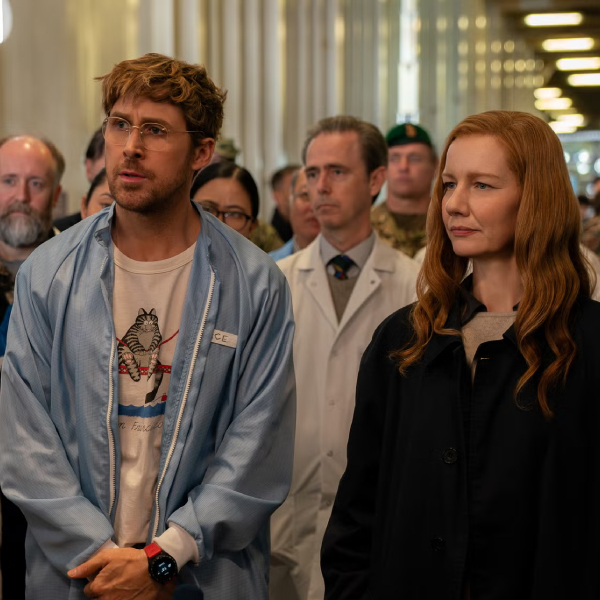
Project Hail Mary is already being touted as one of the runaway movie hits of 2026–a perfect package of cinematography, acting, directing and storytelling.
It’s the story of a disgraced scientist-turned-schoolteacher sent to a distant planet to stop a star-eating algae from killing the sun before Earth freezes over. Of course, it’s a suicide mission and he knows it. But he will do what he must to save humanity before he does the human thing and dies. Then he meets a small, friendly alien who looks like a rock and happens to be on a similar mission–and from there a friendship blossoms.
The film is grounded firmly in scientific principle, thanks to Andy Weir, the author of the New York Times bestselling book on which it is based. Weir, who also serves as a producer, studied computer sciences at university and even worked as a programmer before he began a writing career. If the movie captures your imagination, the book is essential reading. And if you loved that, here are five more brilliant science fiction novels to expand your universe.
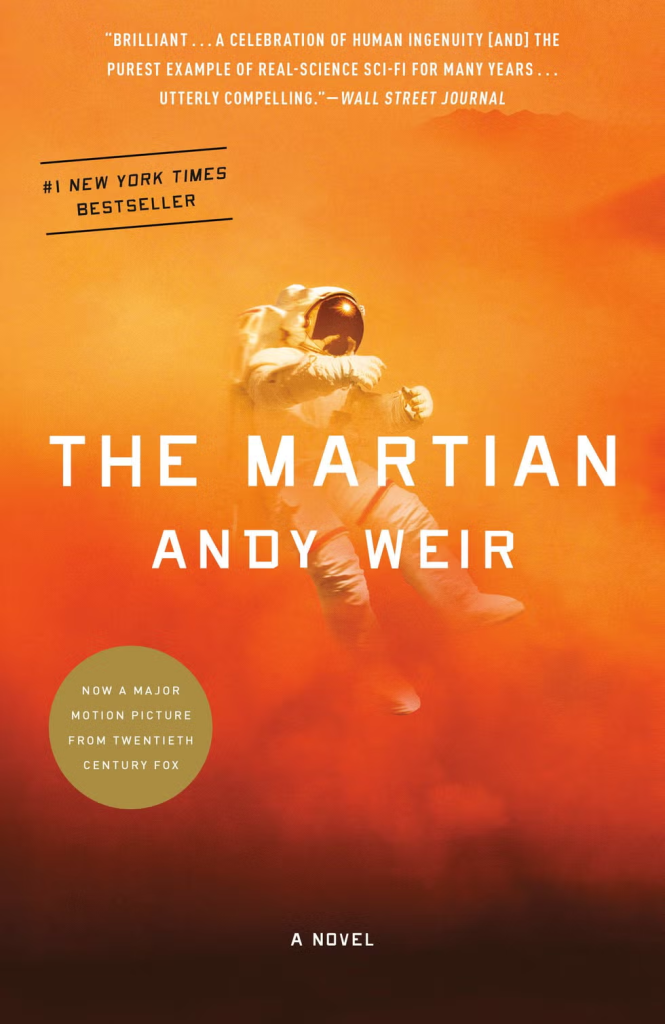
It’s the obvious starting point, but unavoidable if you’re into Andy Weir. This is the book that launched his writing career and became the eponymous movie starring Matt Damon. Essentially, it’s about a wisecracking botanist stuck on Mars with two options: give in to the sweet release of death or grow potatoes in his own shit and live. It’s a longish movie (and book) so, to sustain it, he chooses the latter. This is about one man’s unassailable drive to survive. It’s suffused with a rather tender wit and that isn’t dragged down by Weir’s forensic attention to science (he studied orbital mechanics and botany to get it exactly right).
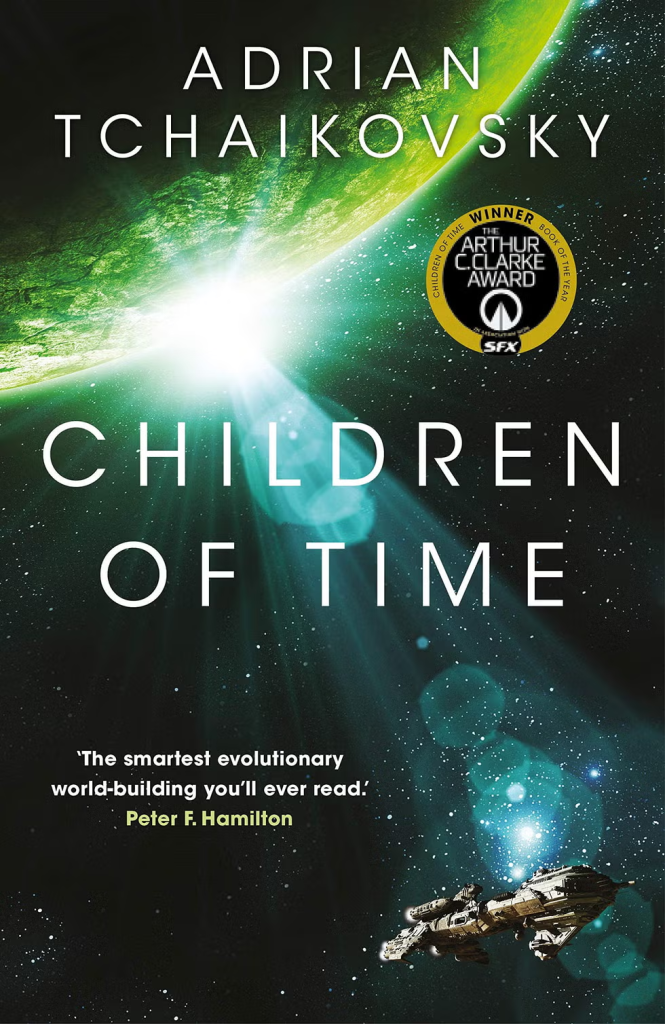
If Project Hail Mary scratched the “alien intelligence done thoughtfully” itch, this is the next step. Big ideas, deep time, and one of the most inventive takes on non-human consciousness in modern sci-fi. It won the Arthur C Clarke Award in 2016, where the award director called it “one of the best science fictional extrapolations of a not-so-alien species [that] I’ve ever read”.
Earth is dying, so the remnants of humans flee to another planet. Only, they find an alien race of super spiders living there already. Told across millennia, from the perspectives of a constellation of characters (including the spiders), this is an exercise in world building worthy of Arthur C Clarke himself.
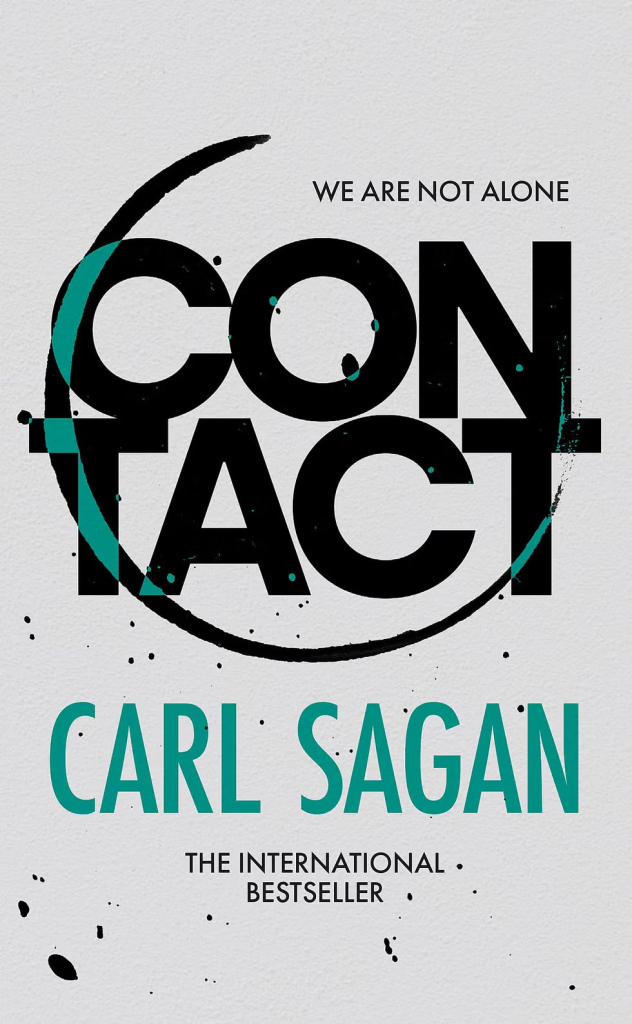
Written in 1985, this book has a more philosophical bent. Where Weir leans towards engineering, Sagan (himself an astronomer) leans into wonder. But both share a deep respect for science and the idea that first contact with an alien race might be as emotional as it is intellectual. It’s about a scientist, Ellie Arroway, who detects a signal from outer space which, essentially, contains blueprints for a machine that lets humans travel through wormholes.
From there, we get into all sorts of moral and ethical Big Questions about, religion and science, the limits of human understanding and insignificance. Fun fact: Simon and Shuster gave Sagan a $2 million dollar advance for the novel–the most ever dished out for a book that hadn’t yet been written. Jodie Foster and Matthew McConaughey starred in the 1997 movie adaptation.
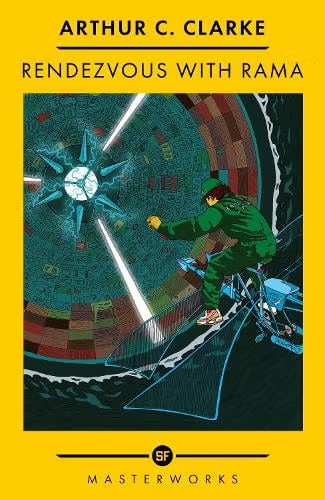
This is the Death Star of sci-fi literature–one of the greatest space adventure stories by the grandfather of the genre. It’s either Arthur C Clarke or Isaac Asimov. Weir has said he devoured both authors’ books as a child, and he won’t have left this out. It’s about a massive, cylindrical alien starship–called Rama–that enters the solar system, and humanity’s efforts to explore it before it disappears.
It’s all about Rama–no evil aliens, no self-destructive human greed, no love story; just a mysterious spaceship that turns out to contain a kaleidoscope world of living wonder. It’s proper horizon-bending stuff.
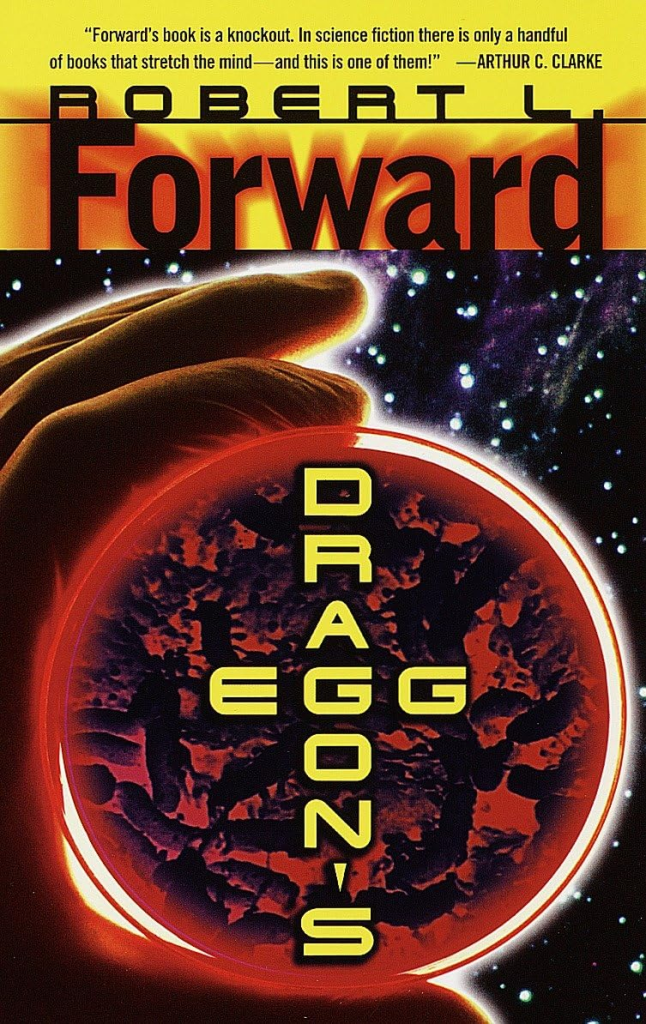
Set on the surface of a neutron star–Dragon’s Egg–this wild novel imagines life evolving at dizzying speeds under crushing gravity and extreme physics. Civilisations rise and fall in the blink of a human eye. The story follows a tiny alien race called the cheela, each with the mass of a human but compressed, by gravity, to the size of a sesame seed.
Time moves differently for them: a “day” lasts a fraction of a second, and a full lifespan barely 40 minutes—yet their minds race a million times faster than ours. When humans arrive, they worship the spaceship as a god. But within a few human weeks, the cheela evolve from warring, neolithic tribes to a civilisation that outstrips us in science, technology and thought. Aside from the dazzlingly inventive worldbuilding, it’s a profound meditation on how small–and fleeting–we are in this vast universe.