“It was an incredible honour to be a part of the [Burberry] 170 campaign. It was a huge privilege to be part of the legacy and heritage of the brand. It’s an incredibly proud moment for me and something I don’t take lightly. I had so much fun doing it, and I look forward to being a part of future things to come,” says Jack Draper. The current No. 2 singles tennis player from Great Britain—he achieved a British No. 1 ranking in 2024—makes his second official appearance in a Burberry campaign in celebration of the brand’s 170th anniversary.
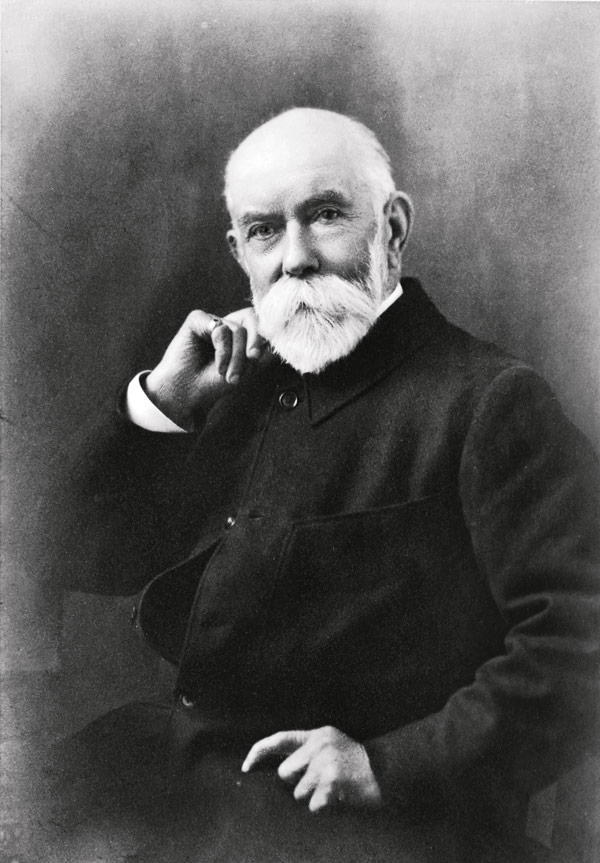
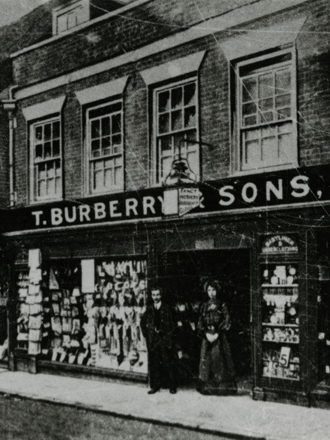
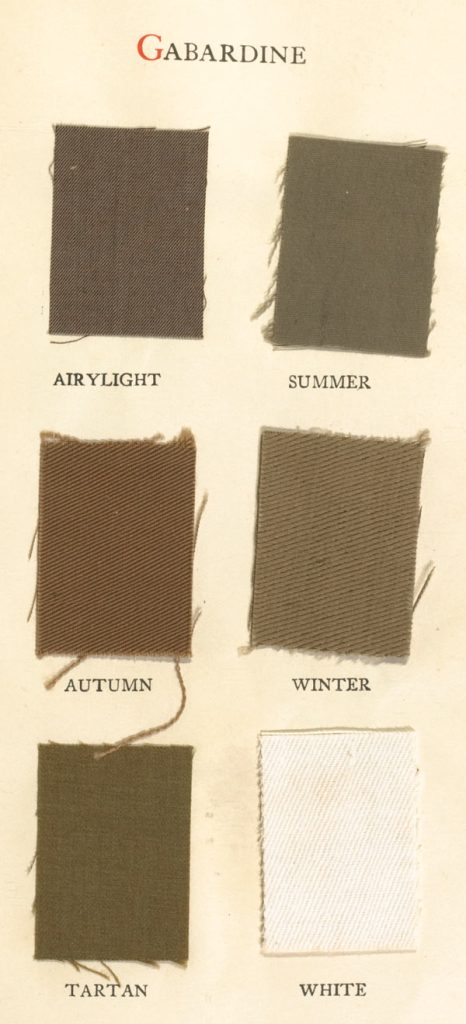
Back in 1856, at the age of 21, Thomas Burberry opened his first eponymous outfitter’s store in Hampshire’s Basingstoke. Thomas was a former draper’s (coincidence? Hmm…) apprentice and felt that clothing ought to be able to protect people from the unpredictability of British weather. His years of experimentation eventually led him to invent gabardine in 1879, and the waterproof yet breathable cotton fabric remains to this day, the material of choice for Burberry trench coats. In fact, gabardine is still woven today at the Burberry Mill in Yorkshire, England.
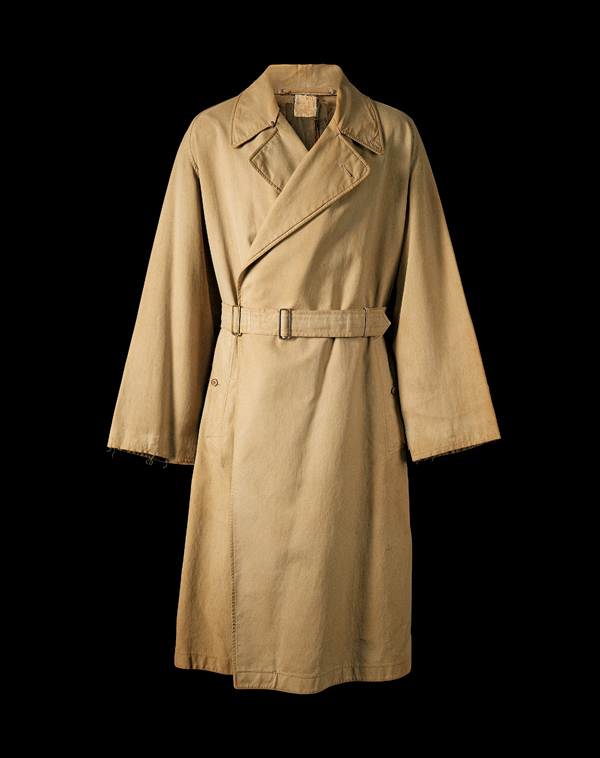
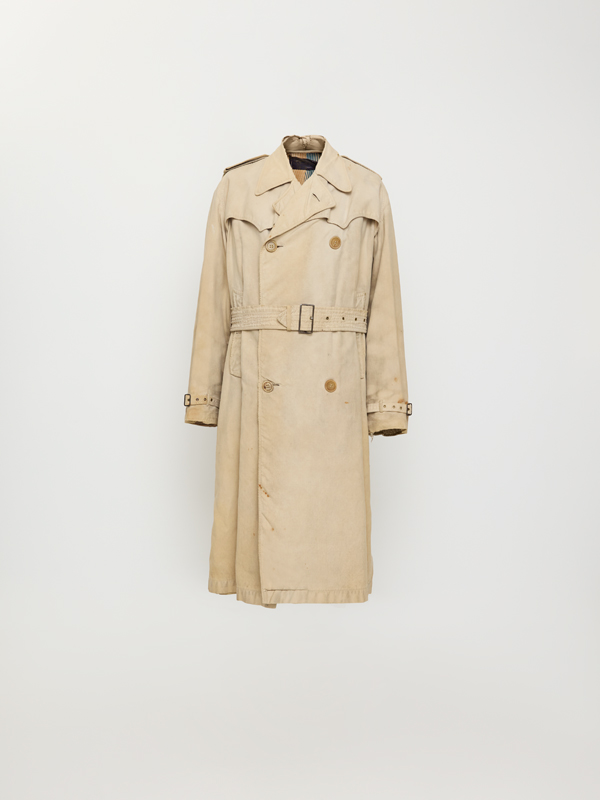
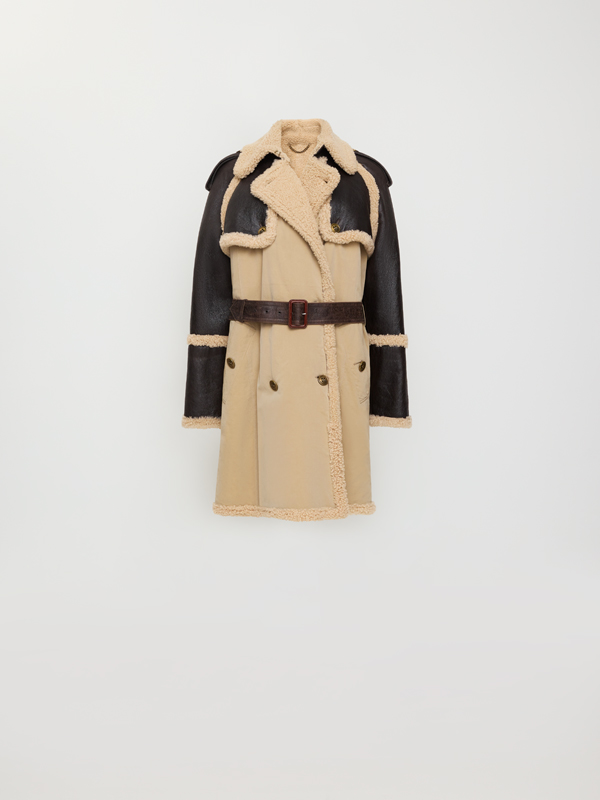
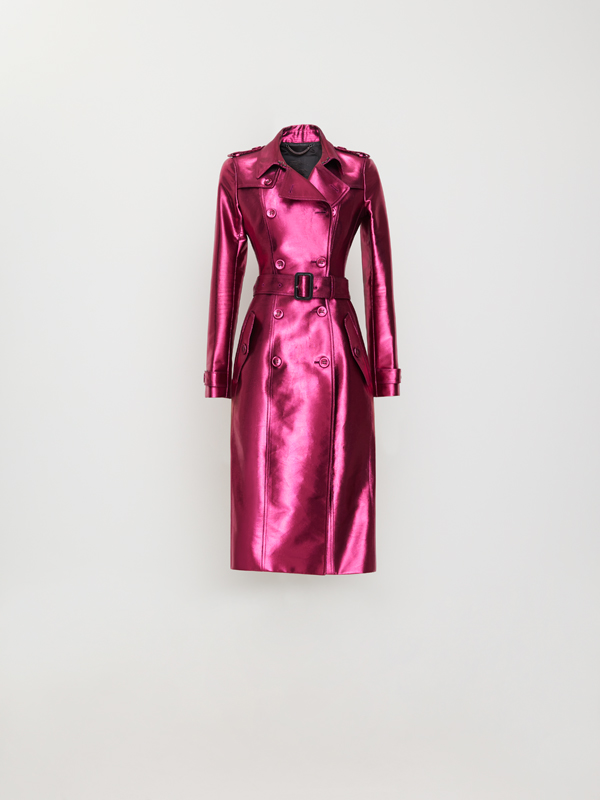
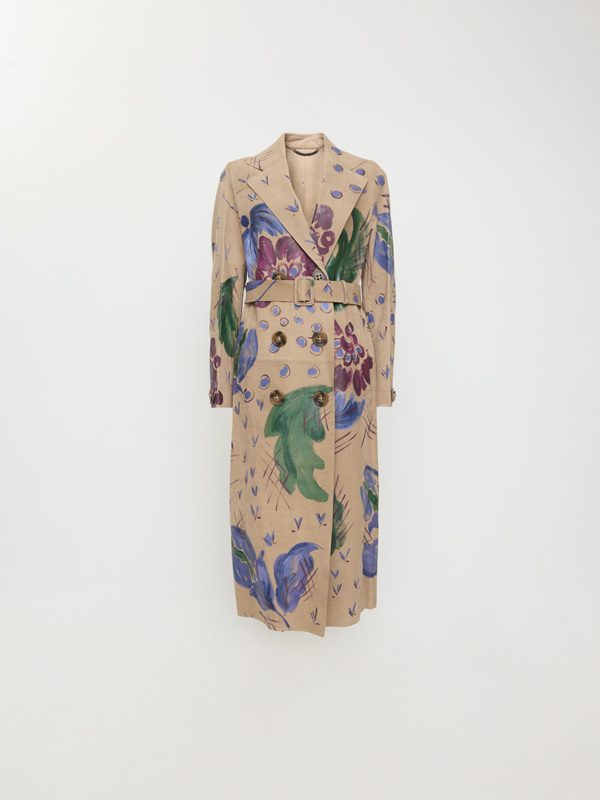
Legend has it that Burberry trench coats were first worn during World War I. Designed to protect the troops against the elements as well as various war terrains, these trenchcoats featured a detachable warmer to allow for increased versatility and functionality. Interestingly, the Burberry trench itself was adapted from another of Thomas’ innovations—the Tielocken. Patented in 1912, the Tielocken was a minimalist coat made of gabardine that was devoid of buttons down the front and fastened with a strap as well as a double buckle at the waist. It was the precursor to the original Burberry trench and was already popular among military men, owing to how convenient it was to thrown on.
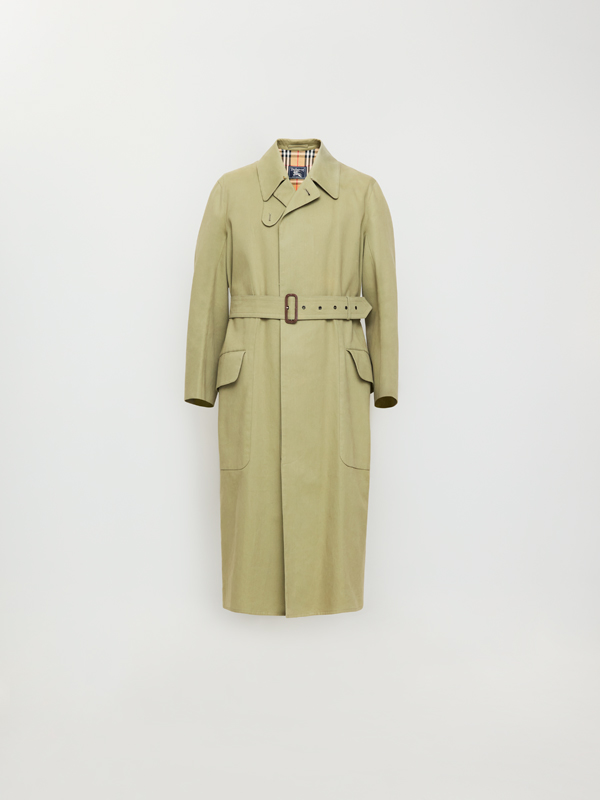
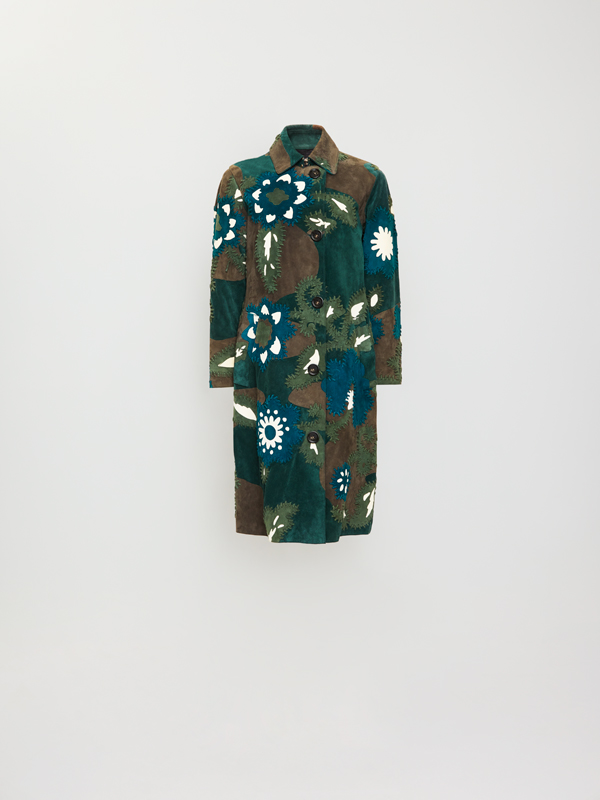
Of course, the Burberry trench has now become an indelible part of fashion history. Its silhouette stands out not only in Burberry’s design vocabulary, but also fashion in general. Although the form has seen countless variations by brands big and small, including by Burberry itself, it will always be associated with the British house.
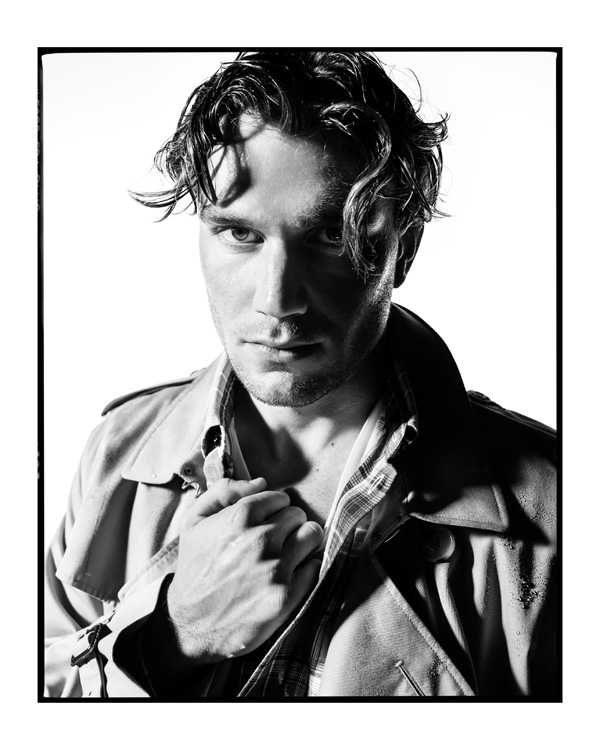
Draper says it well when commenting on the Burberry trench’s allure. “I love putting on the Burberry trench off the court. Obviously, as a tennis player, it’s easy to be in sports clothes all day, and so... to be wearing something that’s so iconic, unique and just different, gives me a certain style that I love. I love the versatility of putting the trench on,” he says.
Even the fabric that was used to line the brand’s trench coats and raincoats, the Burberry Check, became an icon in its own right. As the story goes—like with any worthy icon—while preparing for a fashion presentation for the British ambassador in 1967, a Burberry buyer in the Paris store came up with the impromptu decision to remove the check lining from a coat to cover an umbrella and wrap it around luggage. Immediately recognisable as an imprint of the House, it went on to appear on myriad Burberry apparel, bags and accessories.
Its streak of innovations is what makes Burberry, well, Burberry. You wouldn’t necessarily credit a heritage brand like Burberry as a digital innovation pioneer in the fashion space, but the evidence speaks for itself. The brand launched “Art of the Trench” in 2009 as a way for the Burberry community to come together and connect, while showcasing how they wear their Burberry trench coats around the world. You could also thank Burberry for helping to democratise fashion shows, as it was the first brand to ever livestream a fashion show in 2010. And when the fashion world suddenly became obsessed with a see-now-buy-now model in 2016, Burberry was the first to get a head start, offering the chance to purchase its collection right after the September 2016 runway show concluded.
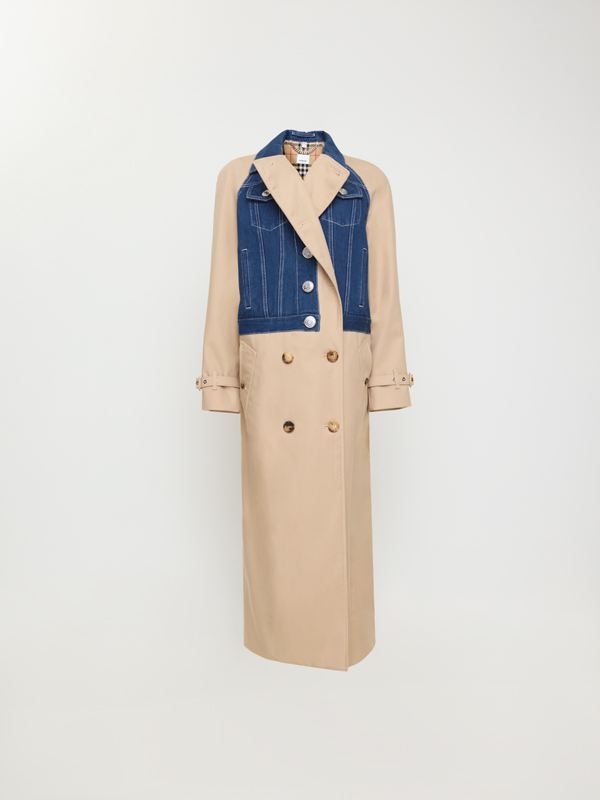
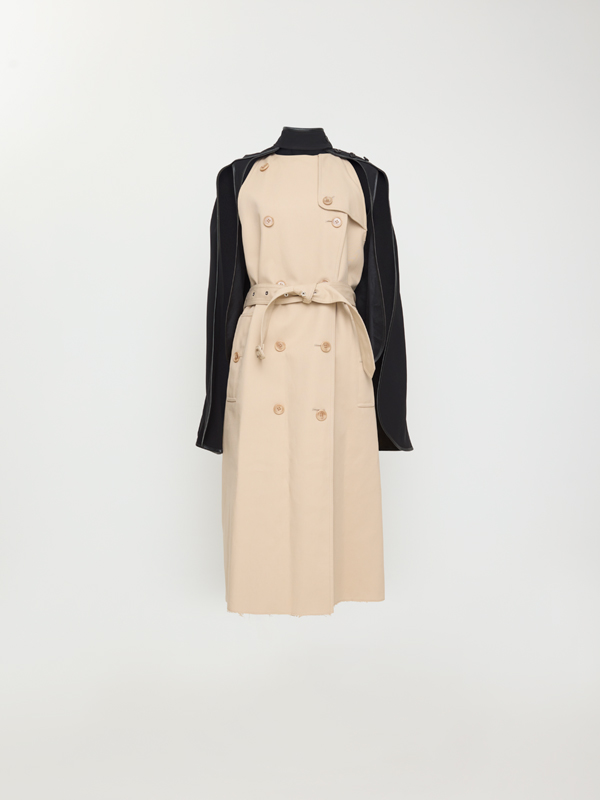
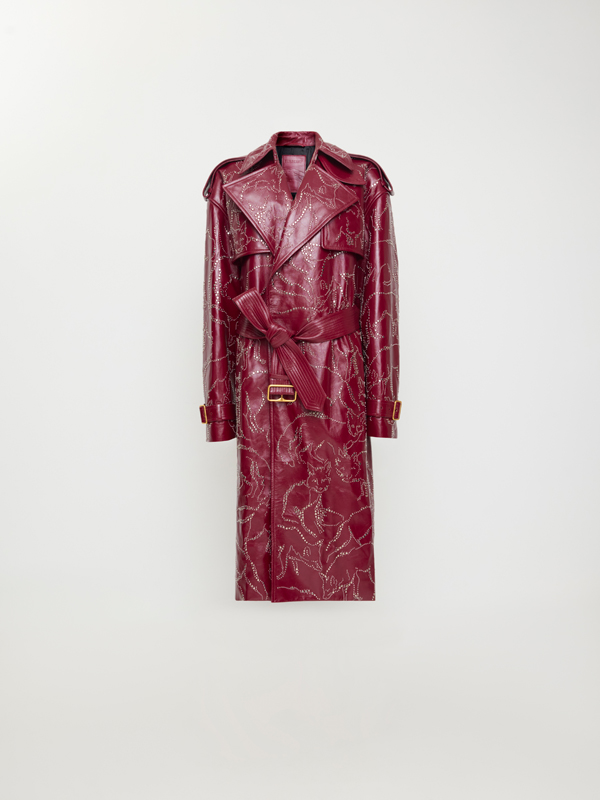
“Growing up in the UK, I’d always see a lot of people wearing Burberry. It’s obviously such an iconic brand and has such a heritage in the UK,” Draper says. “I feel incredibly proud to be an ambassador for the brand, and it was always something that I wanted to be involved in, and, fortunately, my tennis has allowed me to be.” Albeit in a different arena, Draper is building his own legacy and one that hopefully will be as iconic as Burberry’s. He’s on his way there. Draper became the fourth British player to reach top five in the history of the ATP Rankings in 2025, steadily improved his win-loss record since 2021, and won the Indian Wells Open last year. The latter is one that Draper describes as his “highlight moment” in his tennis career thus far. While his career has also been plagued with multiple physical injuries, they seemed to have only pushed him to be more determined for greater comebacks.
In the meantime, his involvement in Burberry exemplifies their shared beliefs—of legacy, constant innovation, and unwavering spirit. “Legacy and heritage are everything to me. Especially in an age where people love looking back over memories and looking back on different styles from back in the day, I’m constantly on Pinterest to see what people used to do and what people used to wear. I think Burberry is a brand that has a huge, huge legacy, and it’s constantly creating more highlights and more memories, and it will just be so prestigious which is like anything that lasts the test of time,” he says.
And here’s hoping we see more from both Brits for many years to come.