Jonathan Anderson’s appointment at Dior comes with a great deal of responsibility, and expectations. He is the sole creative director of Dior’s womenswear, menswear and haute couture lines—the first since Marc Bohan. And while this isn’t Anderson’s first time taking creative reins at a luxury fashion house, Dior is arguably more of a behemoth compared to Loewe, and attached to a much longer list of predecessors who have all made imprints at the House.
There is an unspoken need to create impact; Anderson’s debut had to leave an impression, be talked about, and hopefully, incite debate. The latter is imperative because no one would care (or worse, remember) a collection that did little to challenge the perception of what Dior is in today’s context.
To Anderson, it was simply that: recontextualising Dior for today. He looked back into Dior’s extensive archive to deconstruct and reconstruct. The approach is not novel—his predecessors had done the same and continuously did so throughout their tenures. Christian Dior had created such a strong language for the House he built that it’s almost unthinkable for it not be the backbone of every collection. It’s not a crutch, but rather, a guiding principle to the essence of Dior. And as former Dior creative directors have shown, newness coming from the depths of the archives is very much a possibility.
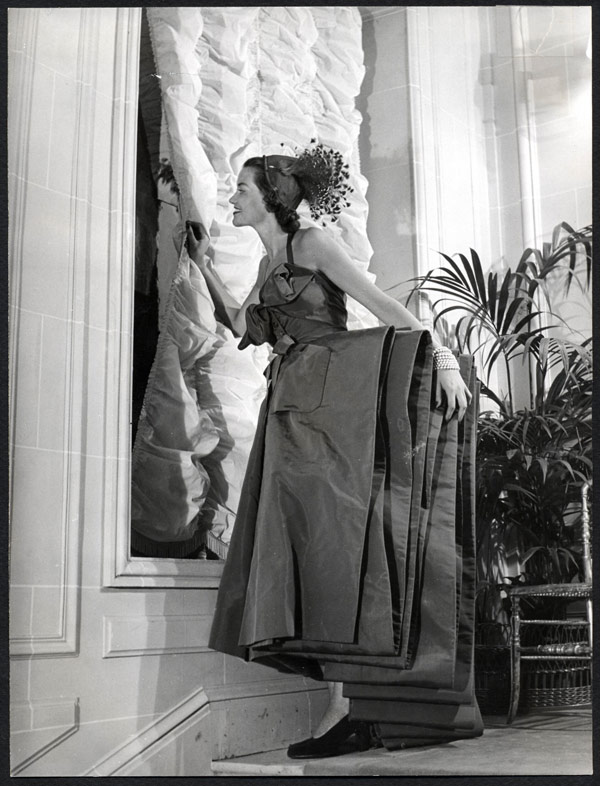
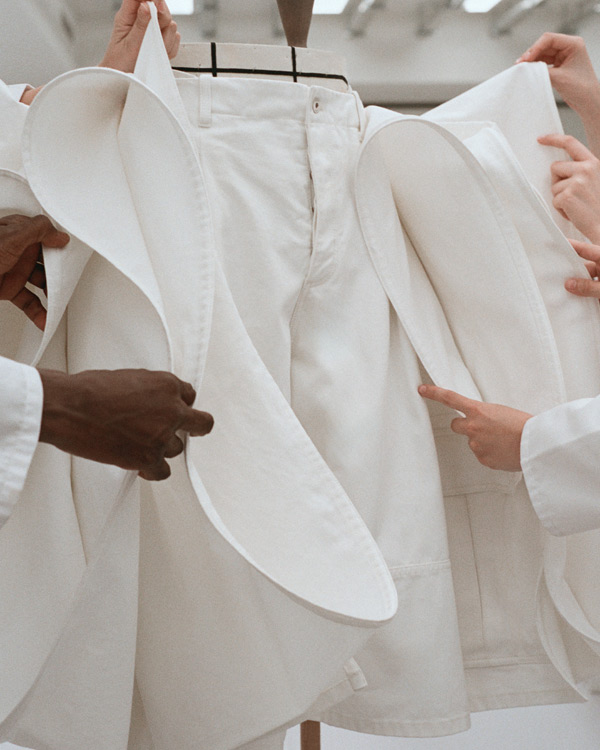
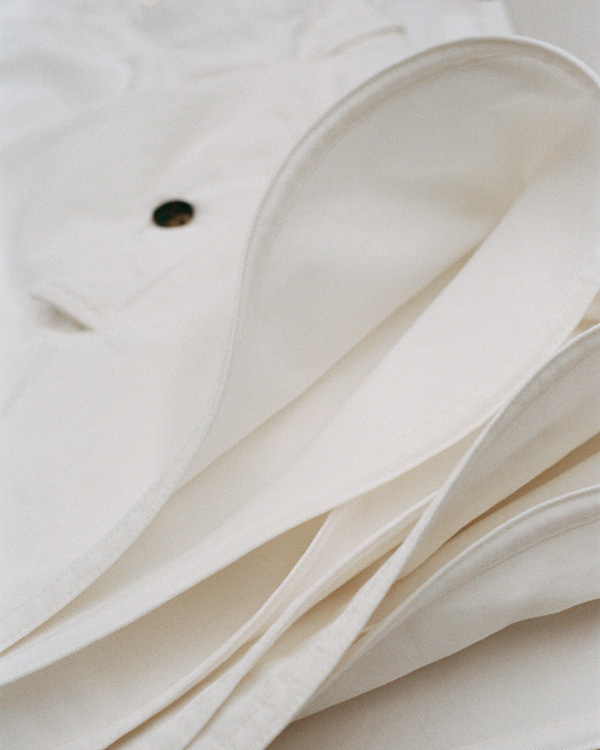
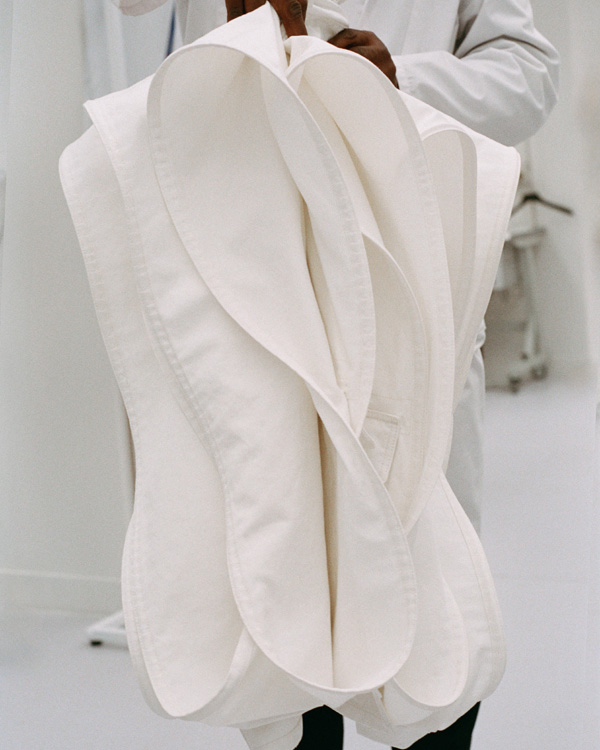
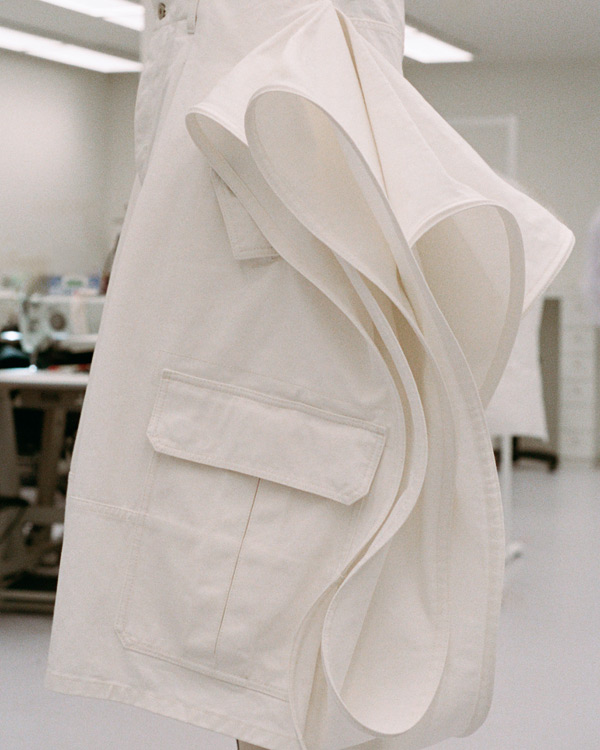
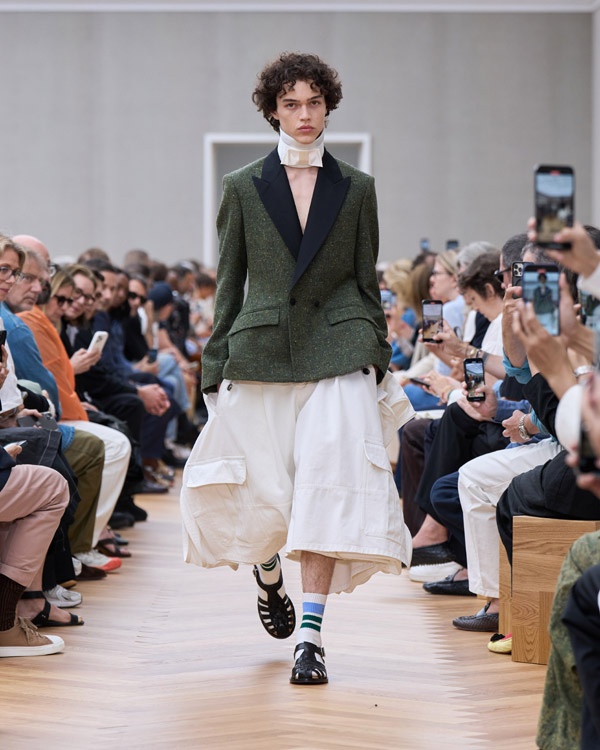
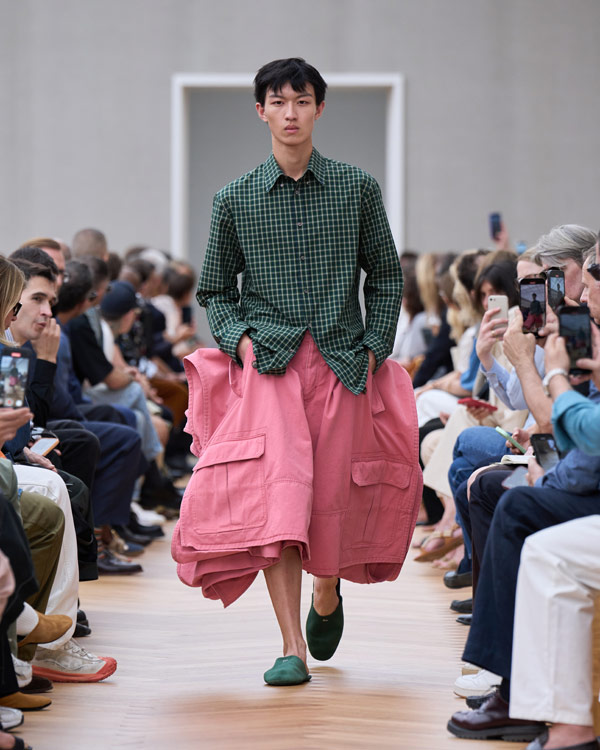
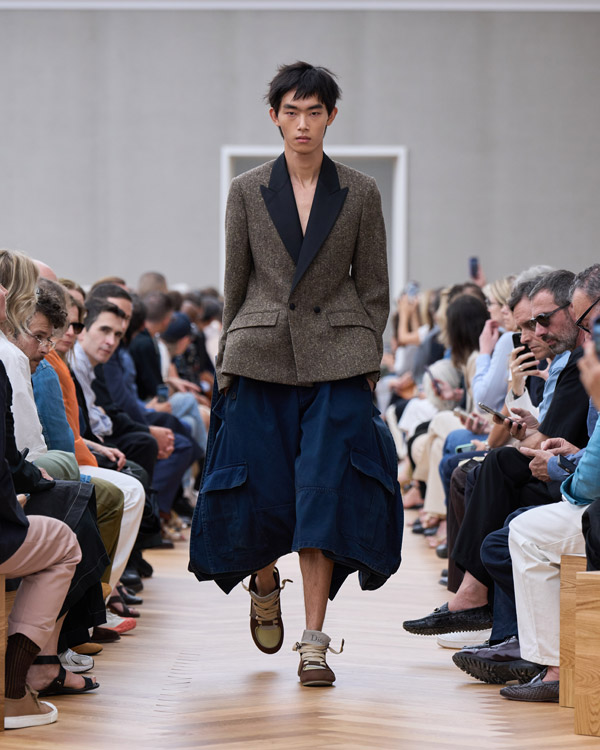
This is apparent from the very first look Anderson sent down the runway for his debut Summer 2026 menswear collection. The quintessential Dior Bar jacket has been injected with Anderson’s own heritage, crafted from Donegal tweed and adapted to a man’s torso, all while retaining its typical key signatures. What’s exceptionally new, especially for Dior, are the bottoms that Anderson’s Bar jacket is paired with. While they may look like any other cargo bermudas, albeit oversized, a slight shift in angle and you’d notice the head-turning detail. Almost like a peacock, the back of the berms seemingly burst into a flurry of fabric—seven metres of cotton twill to be exact—that seems to float on their own. The extravagant silhouette is taken from Christian Dior’s Delft dress, a haute couture creation from Autumn/Winter 1948, where the sharply draped pleats are layered next to one another. The contemporary menswear rendition is constructed to be more fluid (and less restrictive) with the folds held up by undulating boning on each side.
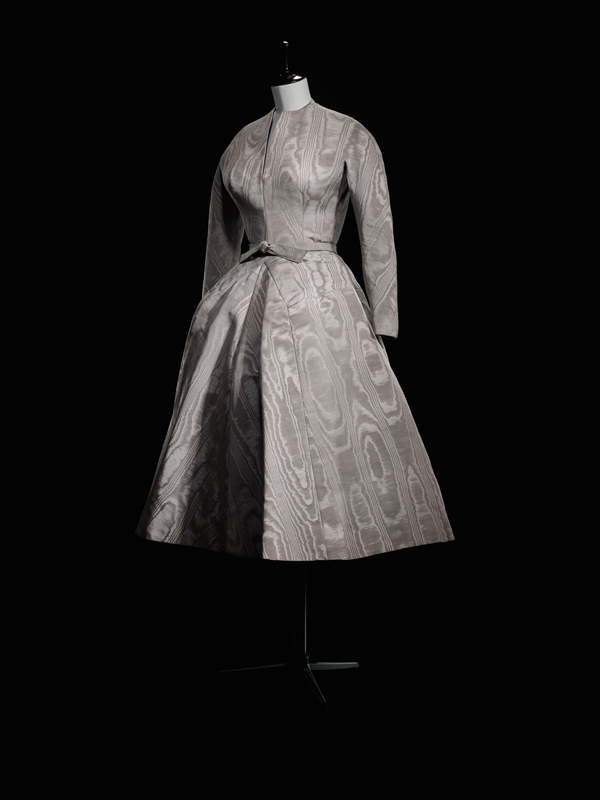
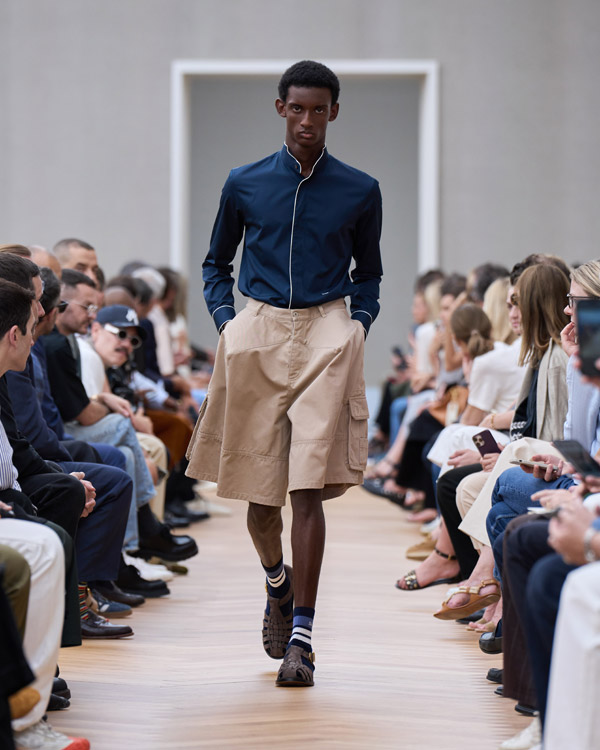
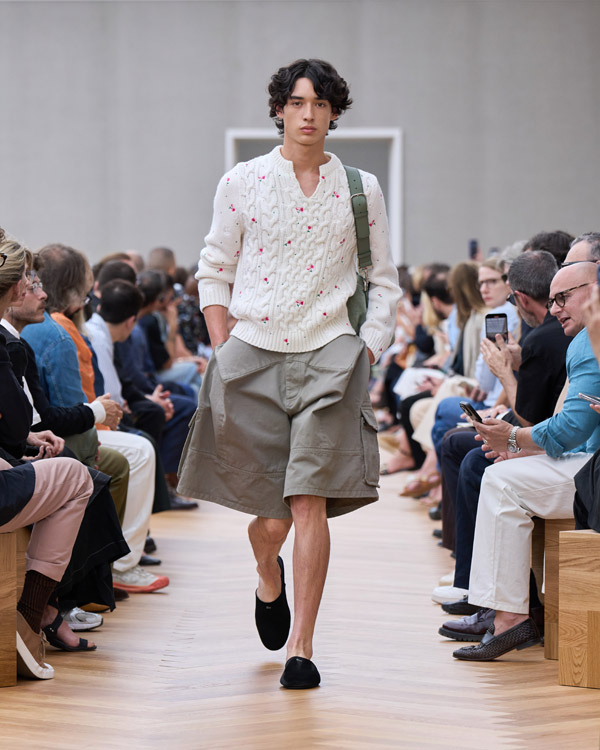
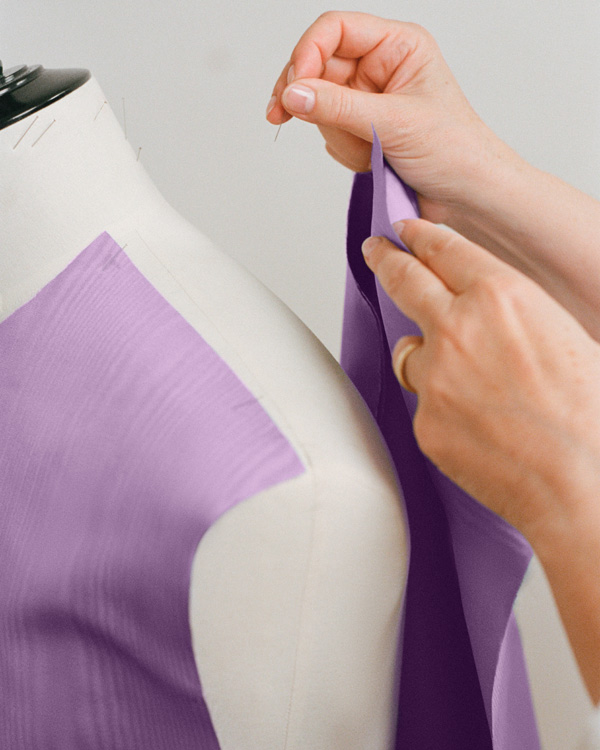
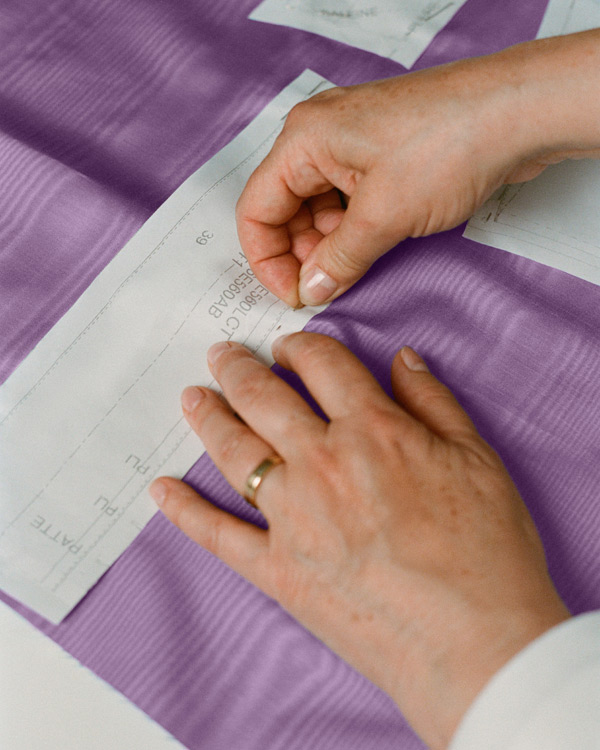
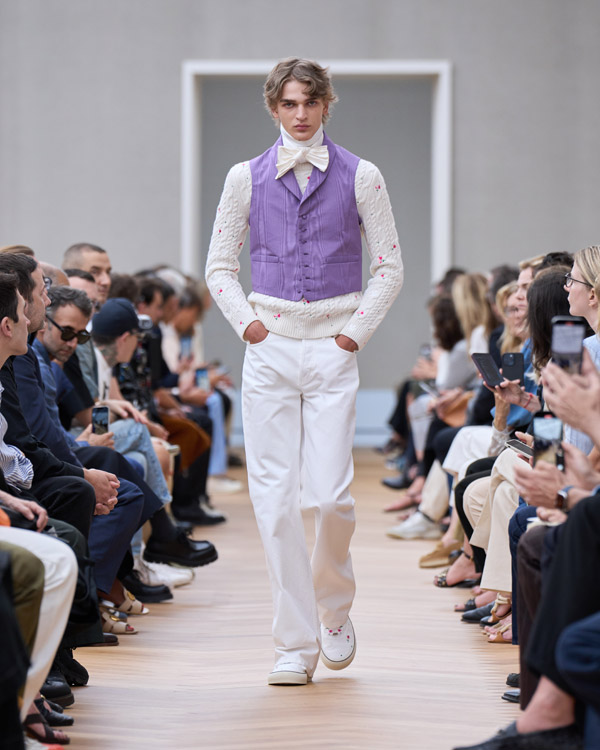
Down the runway line-up, another cargo bermuda adopts a different shape. This time, it takes inspiration from Christian Dior’s Autumn/Winter 1952 La Cigale dress—another example of the founder’s fascination with lines and silhouettes to create illusory forms. Although more subtle than the Delft berms in terms of volume, the La Cigale berms are defined by precise darts at the front to create added volume that quite literally juts out. The original dress also partly inspired the collection’s use of moiré fabric. The 19th-century technique has been seen on a number of Dior archives, including La Cigale, and is recognisable for its ripple-like appearance. Anderson employed it on aristocratic waistcoats, giving full reverence to the technique.
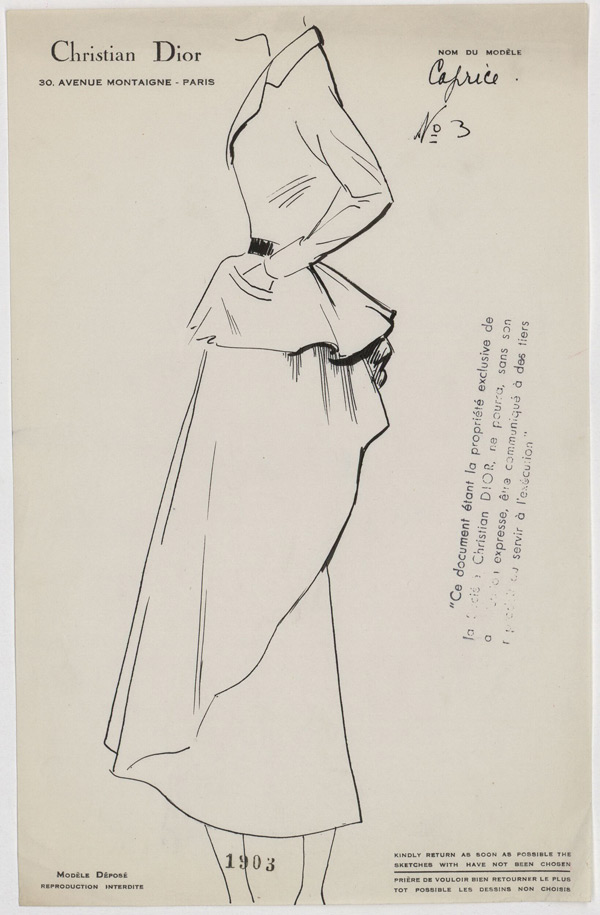
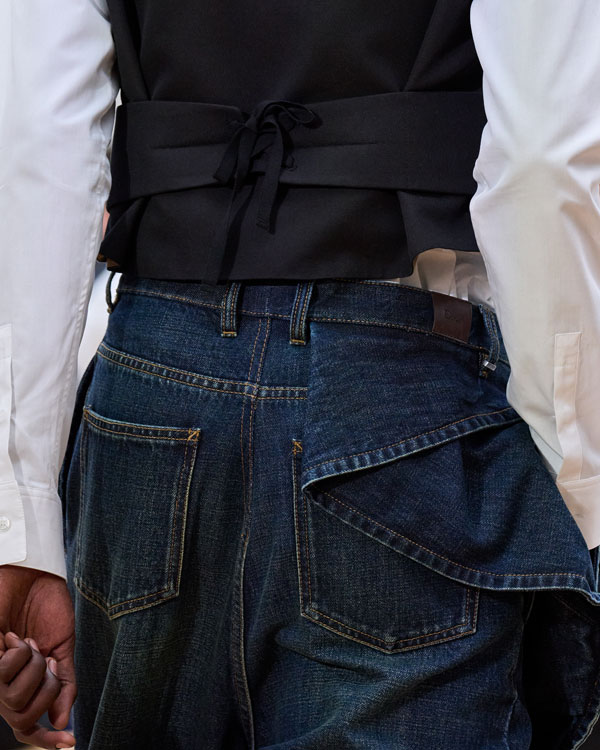
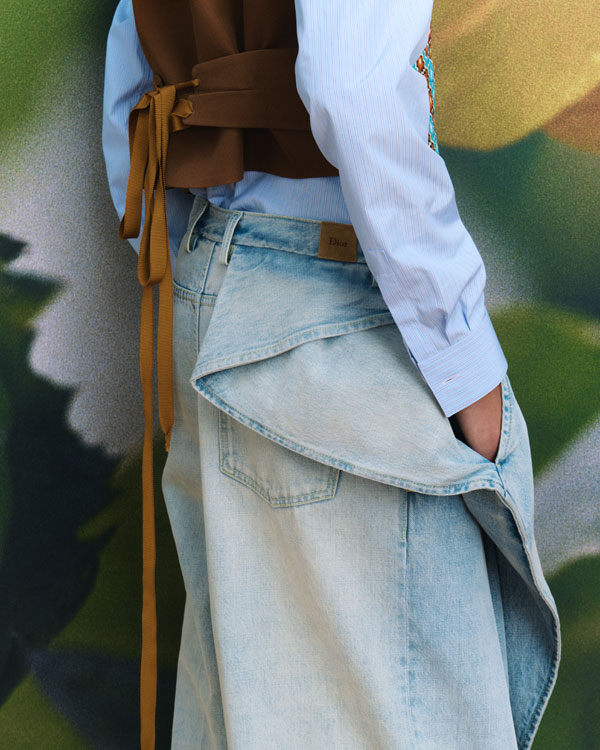
Anderson’s final archival dress pull is the Caprice. First released as part of the Spring/Summer 1948 haute couture collection, the dress features a peplum top (the result of a belted waist) that continues with a folded ruffled skirt. Anderson reimagined the detail onto denim jeans, elevating a pair of workwear staples and turning a formal garment into something more everyday. Like the original inspiration, the ruffled side is designed with a pocket such that the look still feels and functions like a typical pair of jeans.
There’s no denying that a lot of precise craft went into every one of the archival-pieces-made-modern. It takes experienced hands to conceptually tear apart haute couture pieces and integrate them into contemporary-leaning designs, and the Dior atelier is certainly capable of that.
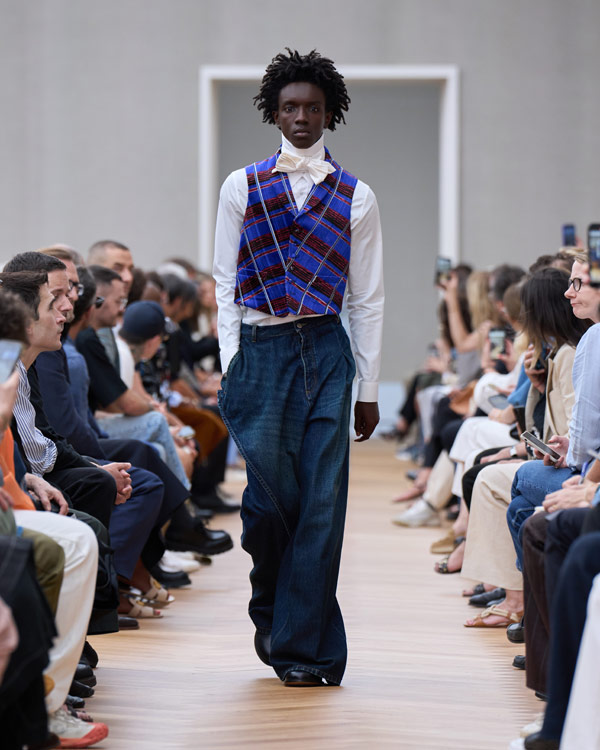
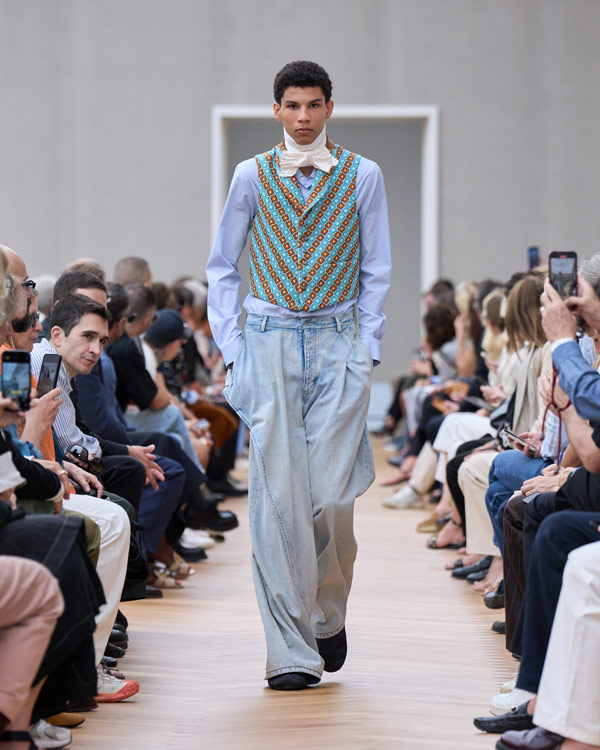
But the value lies not only in the make, artistry, and looks, but also in how it is made relevant. Not only did Anderson transmute these couture techniques onto modern garments, he also taps into the desirability of the narrative. The new Dior man is fearless, individualistic, and a bit of a sartorial oddball. Much like how Christian Dior’s designs were unlike anything of their time (and even in the present), Anderson crafts a Dior that is centred on couture craftsmanship with a pulse on today.
The Dior Summer 2026 menswear collection is now available in boutiques and online.