Exuberant pops of colour are always anticipated for spring. The season brings forth the renewal of colours in nature as it sheds winter’s whites and greys. There is undeniable joy brought about by colour play, no matter how much or little of it one gravitates towards.
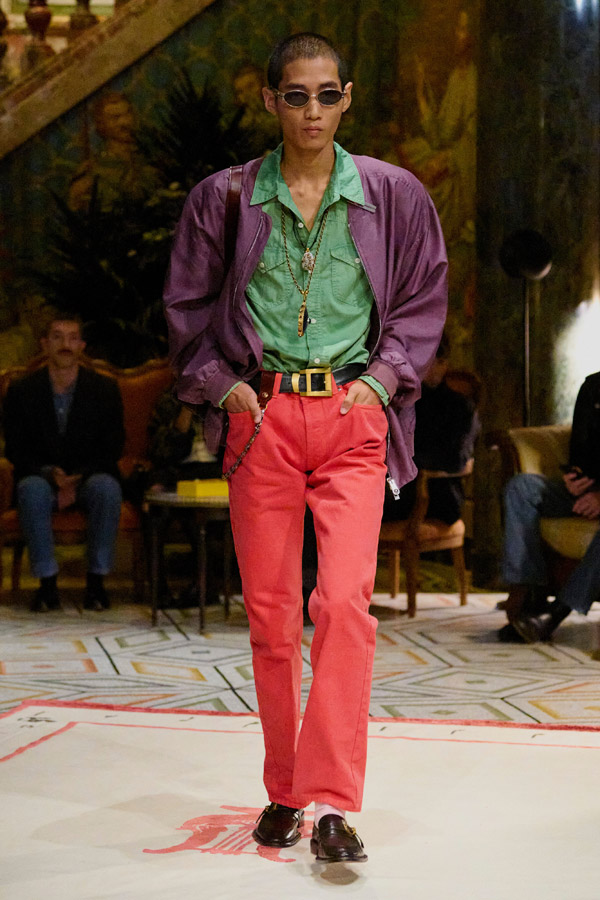
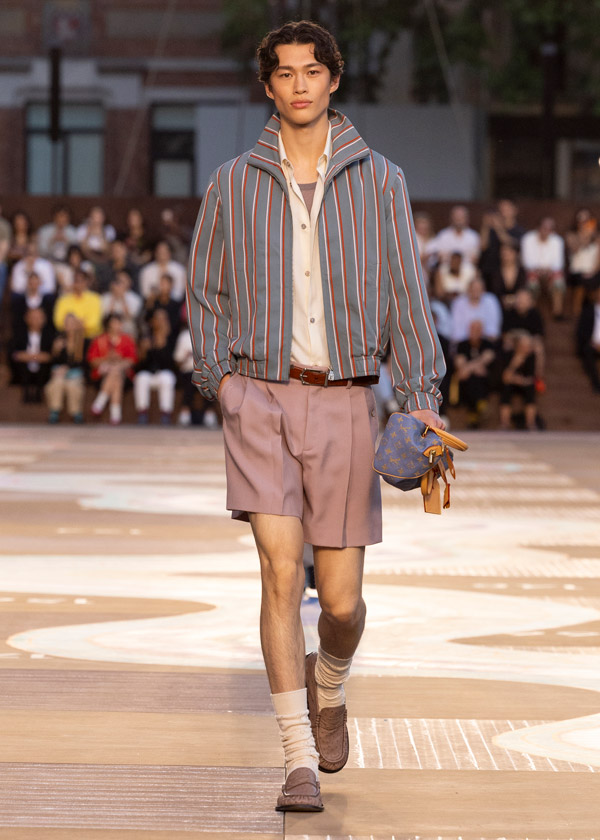
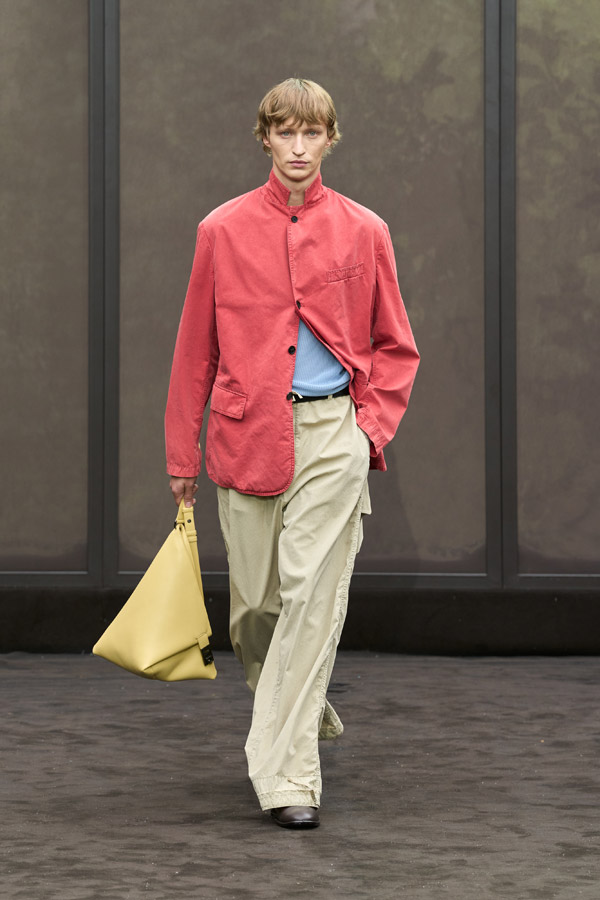
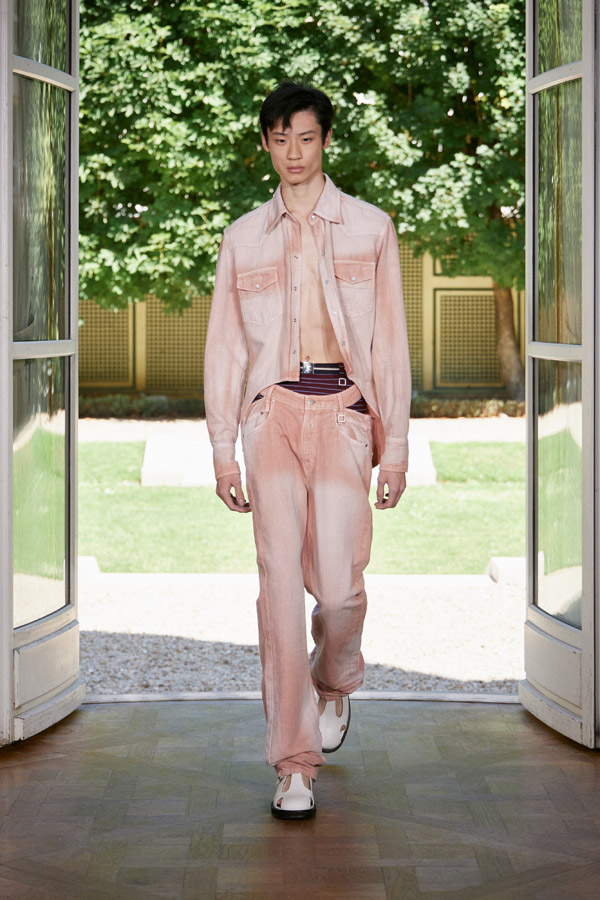
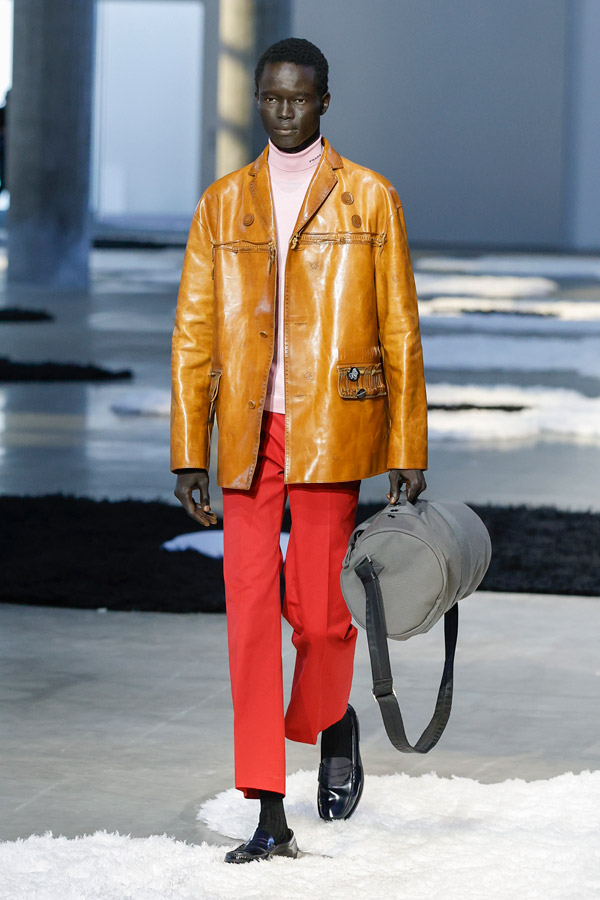
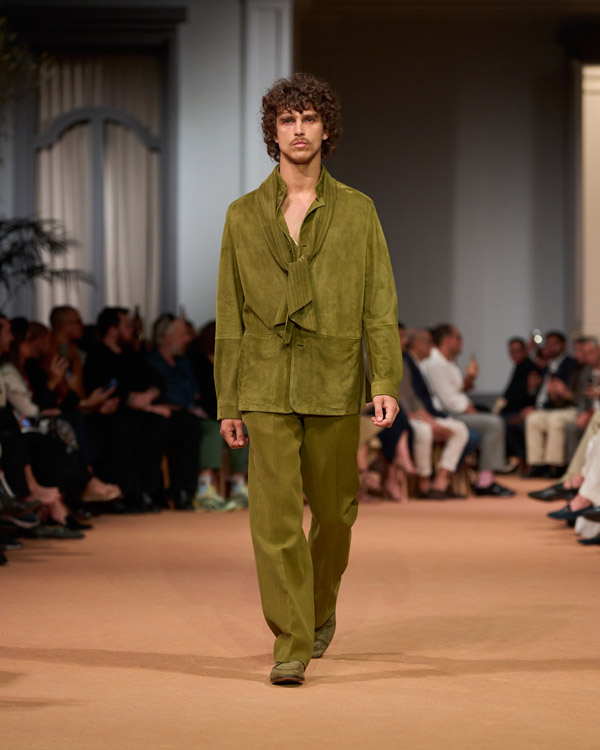
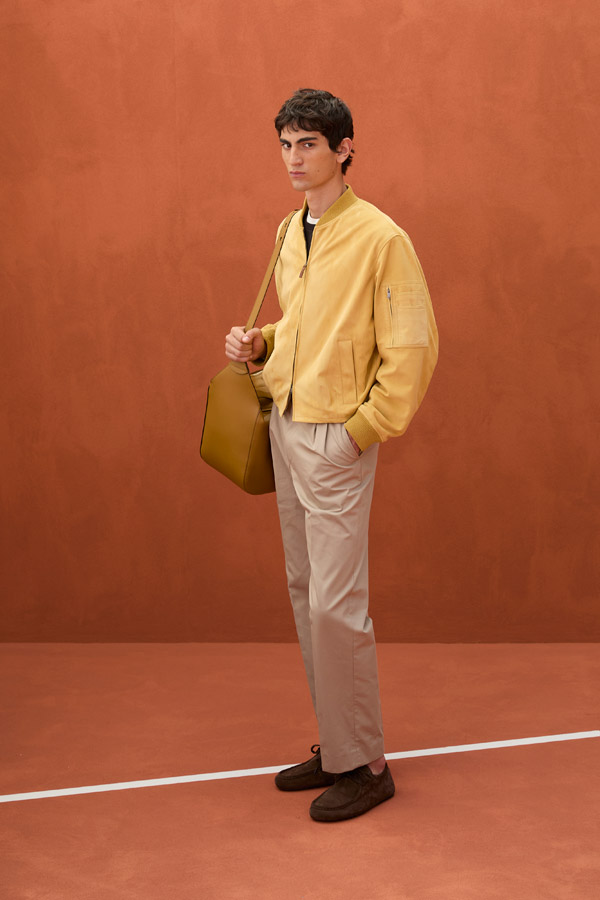
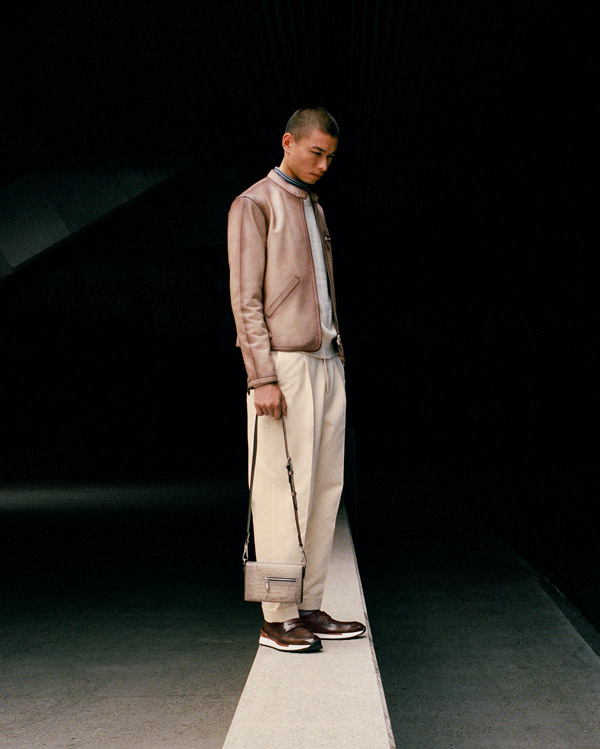
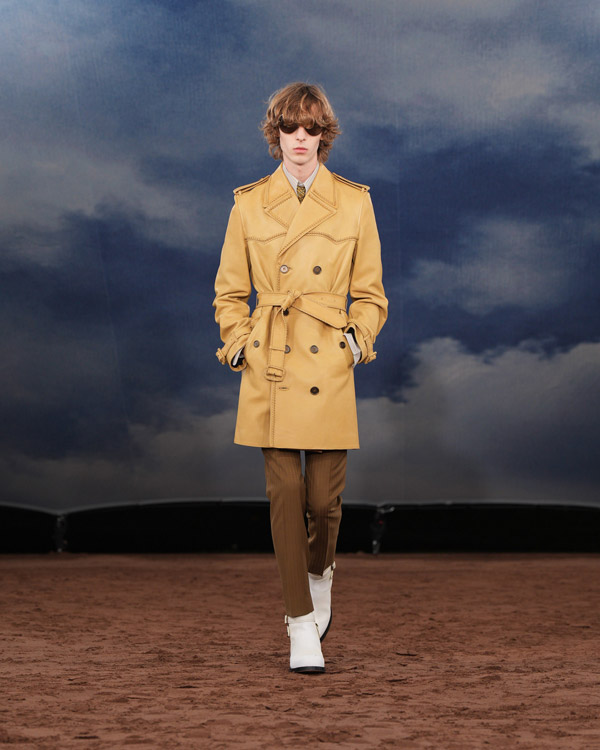
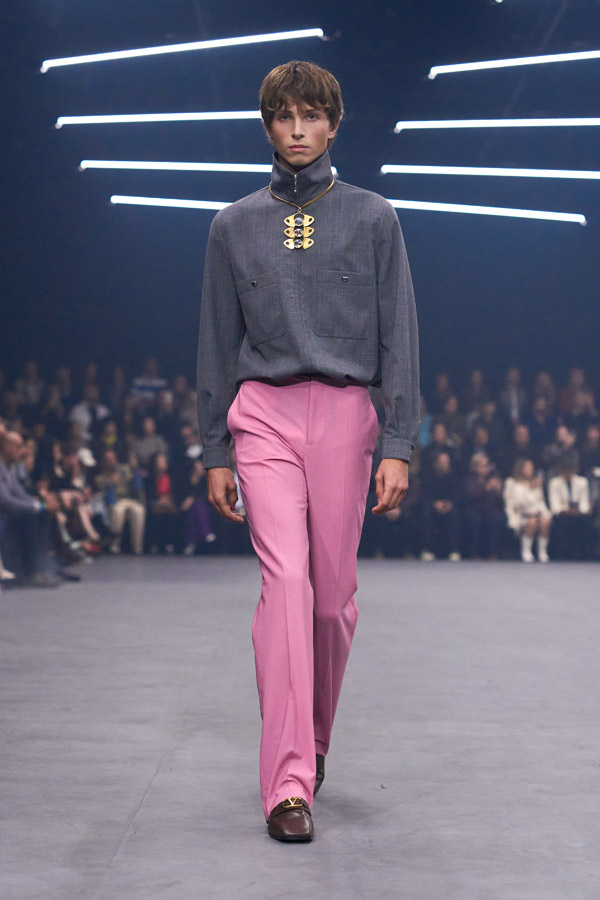
This Spring/Summer 2026 season, the collections lean towards a more lived-in approach to colour. They’re not quite pastel and muted, as they are bright summer hues. The colours appear as though they’ve been left out in the sun, their once deep hues aged out to a softened sheen.
Louis Vuitton’s India-inspired collection is teeming with this palette that’s grounded by creams and whites, while Tod’s plays around with dusty variations of primary colours paired with beige tones. Versace’s colour-blocking lends an ’80s vibe with garments dyed like swatches that feel contemporary at the same time.
Coloured leathers adopt this approach the best as they are treated to look aged while retaining that crisp, fresh feel. Berluti’s signature patina takes centrestage in shades of brown, while Prada’s Western-detailed version feels as though it’s a thrifted piece that holds decades of memories.
Anyone who expected Demna to recreate his oversized silhouettes as part of his vision for Gucci has been proven wrong. His first outing for the Italian fashion house is quite unlike what he’s done at Balenciaga, yet at the same time, it feels very much Demna.
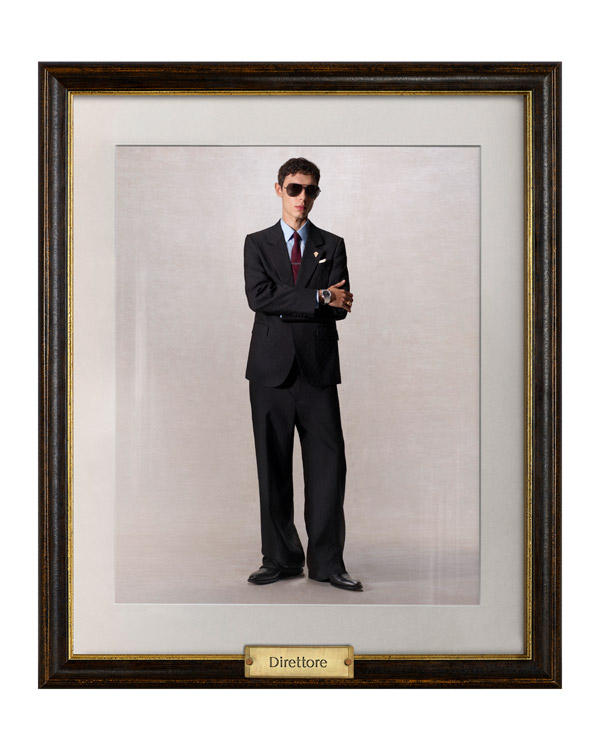
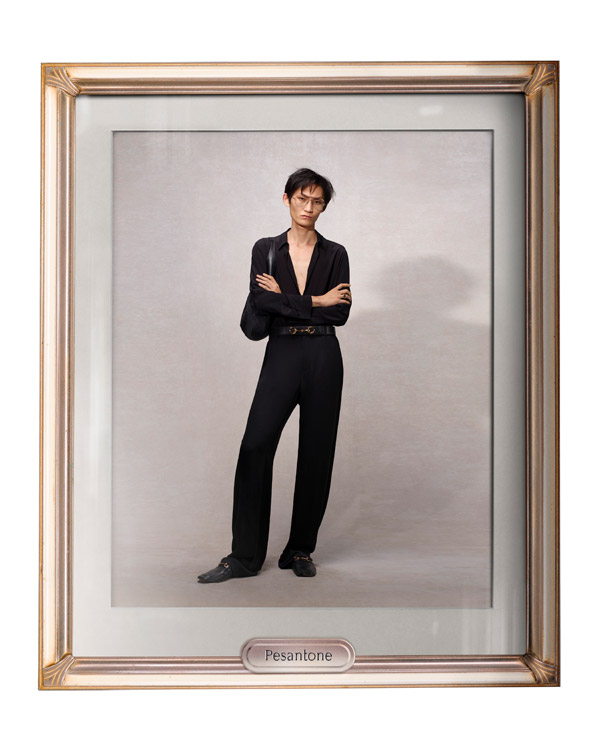
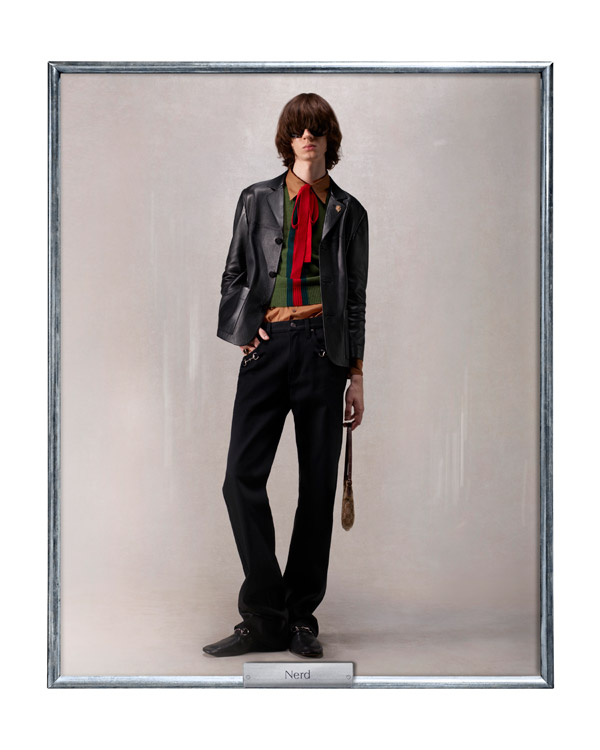
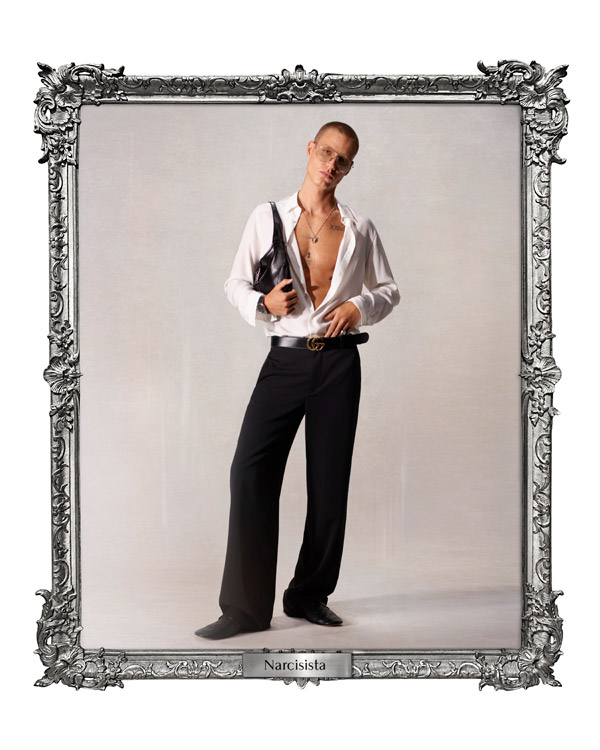
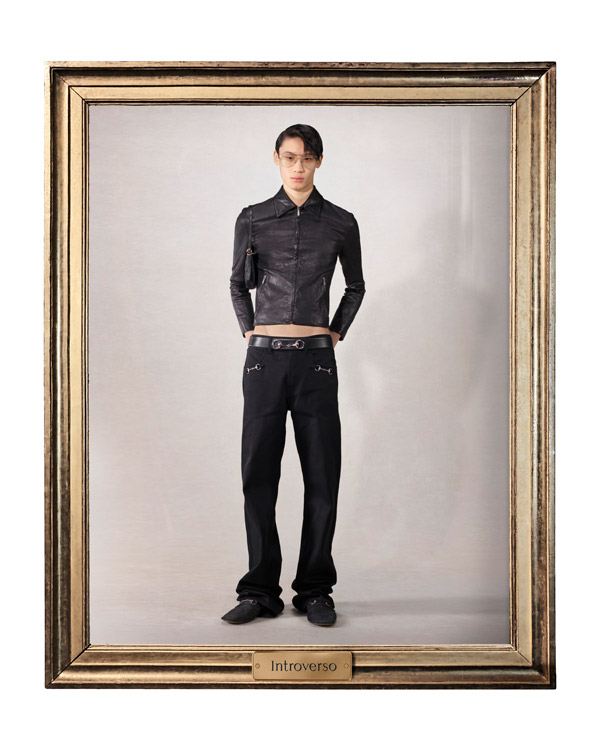
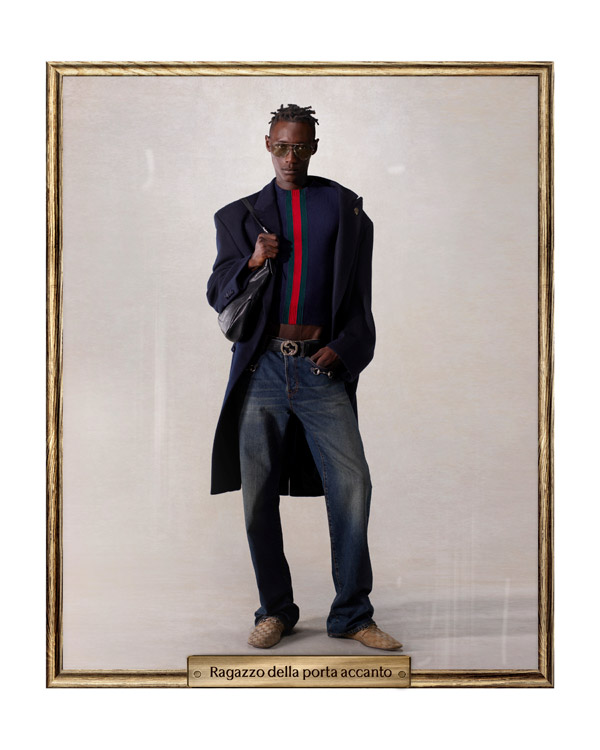
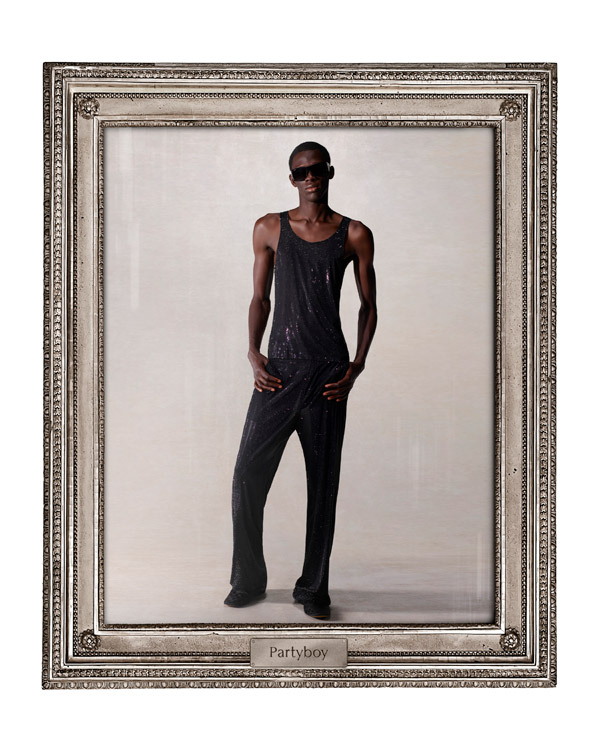
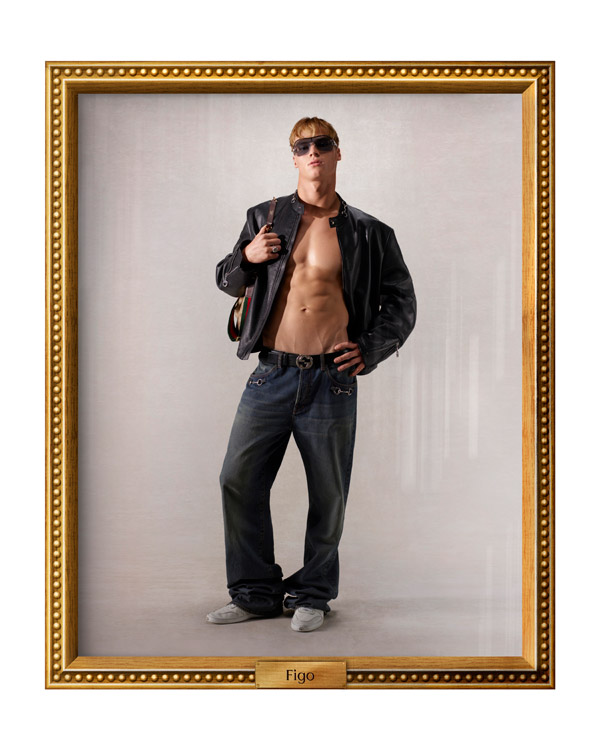
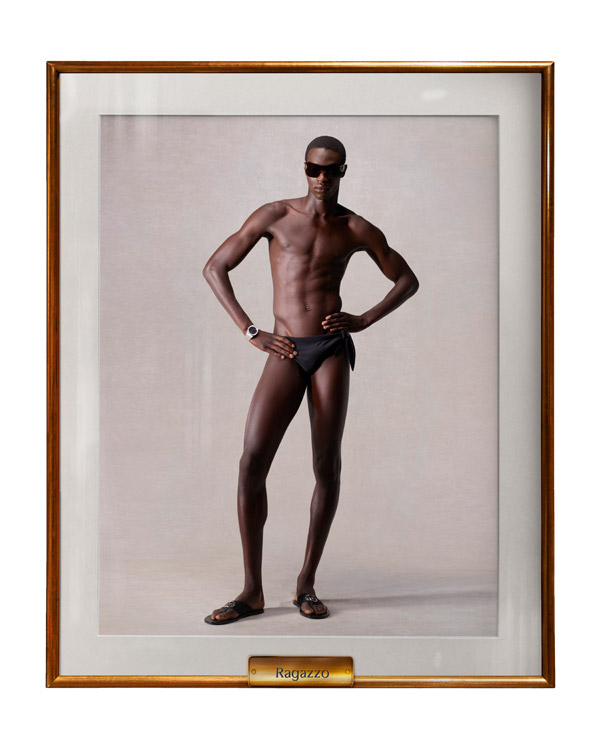
La Famiglia, as the collection is called, is referred to by Demna as a study of the many different archetypes of the “Gucciness” of Gucci as seen through the lens of an extended family. It’s his way of paying homage to the House’s history, being under the stewardship of notable creative directors from the likes of Tom Ford to the phenom that is Alessandro Michele. As such, the collection is a mishmash of looks that reference the stylings of these former creative directors while injecting Demna’s contemporary edge. Michele’s soft boy aesthetic is pared back with a rebellious coolness, while Demna leans into Ford’s unbridled sexually-charged energy through looks that leave little to the imagination.
The Horsebit becomes Demna’s insignia of choice. While he brings back the iconic GG belt, he’s also transmuted the Horsebit into a belt buckle that’s a bit more subtle than the former—an if you know, you know approach, if you will. The Horsebit also appears as an embellishment on denim jeans, instantly making a pair more desirable than before.
It’s safe to say that ties are once again back in the modern lexicon of men’s fashion. As we continue to relearn and experiment with the way that ties should be and can be worn, fashion is kicking things up a notch with respect to how else we can accessorise our necks without piling on jewellery.
At Louise Trotter’s debut runway show for Bottega Veneta, the creative director proposed a sort of trompe l’œil effect when it comes to neck accessories. On a number of looks, models appeared to have worn turtlenecks as the base layer. But in reality, it’s a strip of silk scarf that’s been neatly folded and tucked into the back. Is there an actual function for it? No, but neither do necklaces. What it is, however, is a neat styling trick that adds a pop of colour or a subtle textural highlight for a more thought-out look.
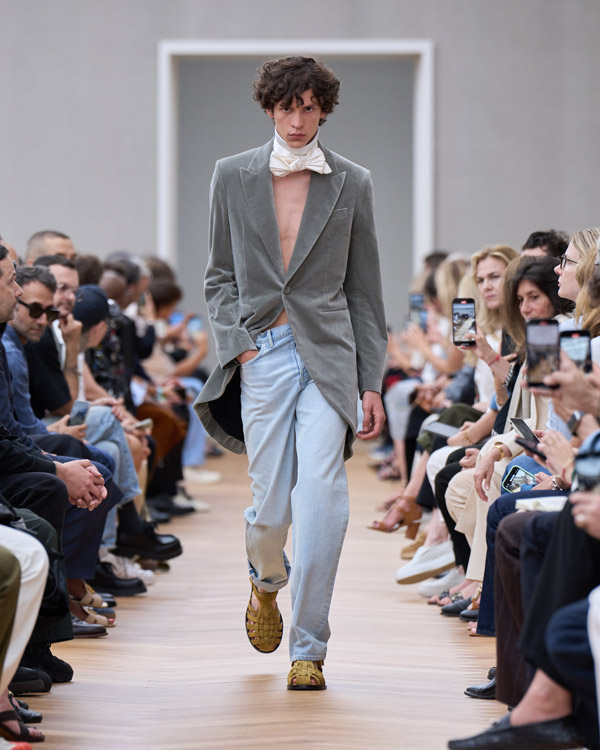
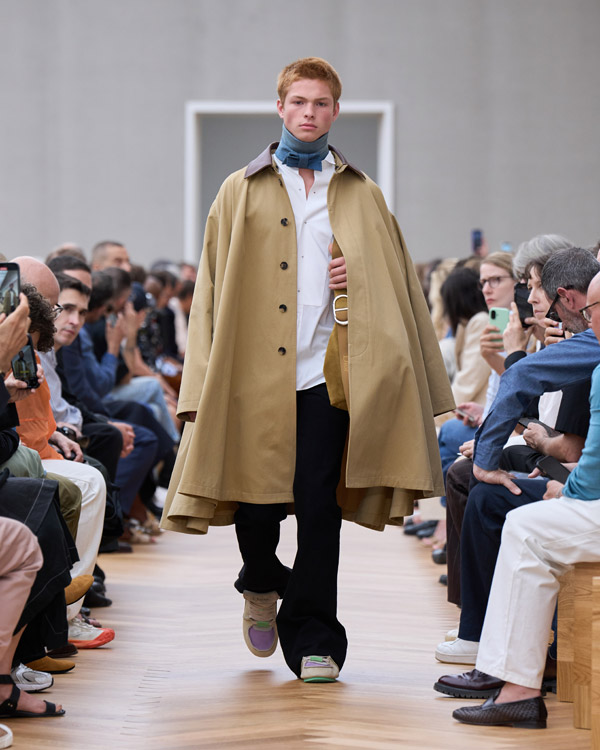
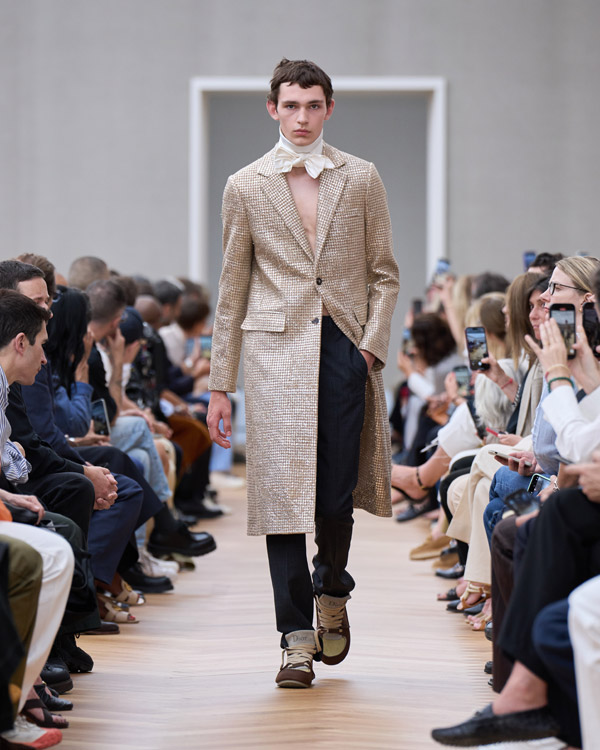
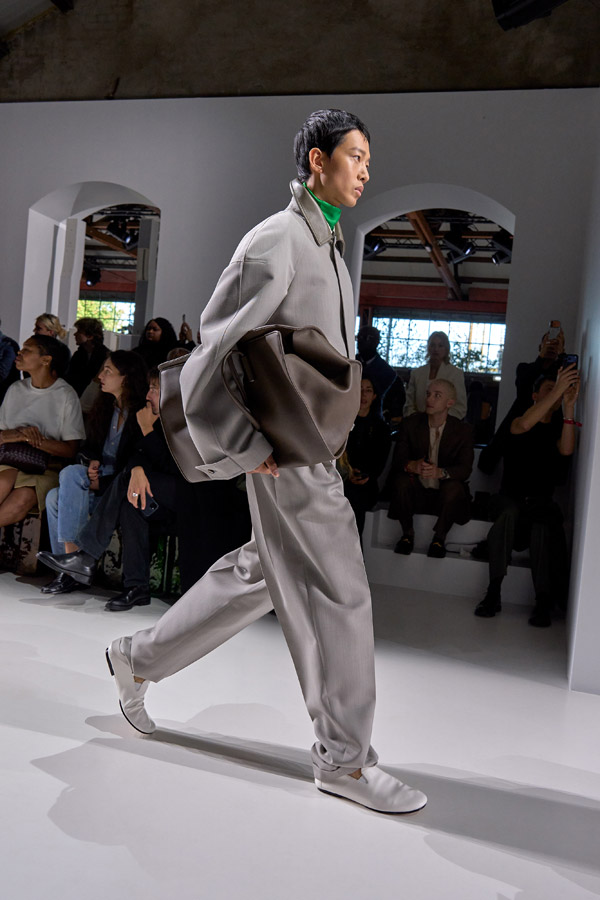
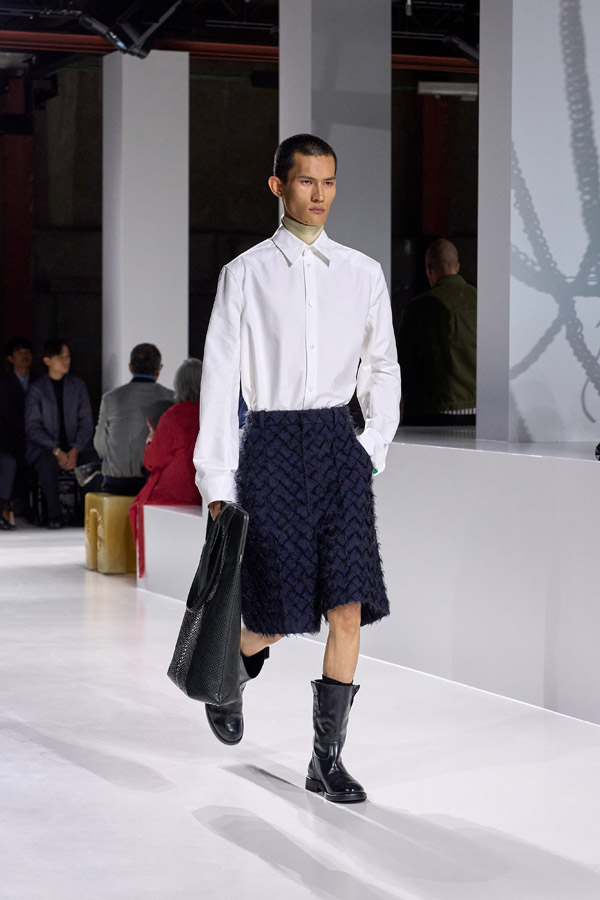
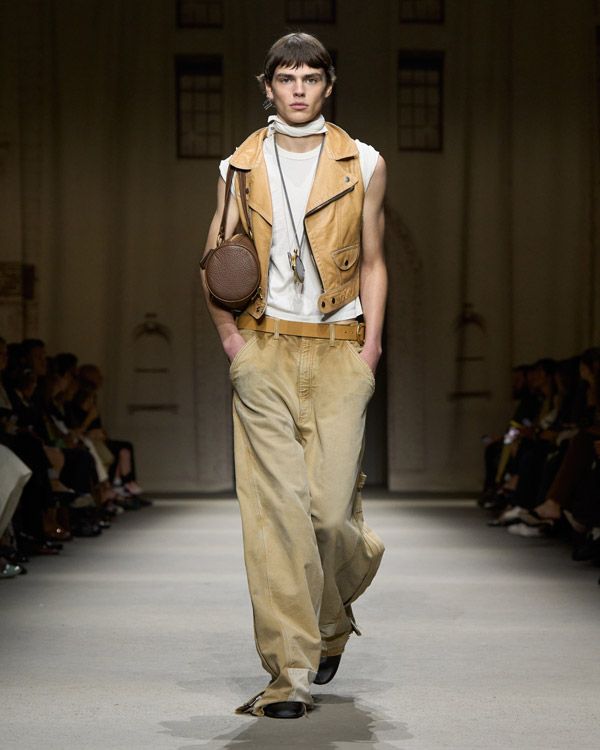
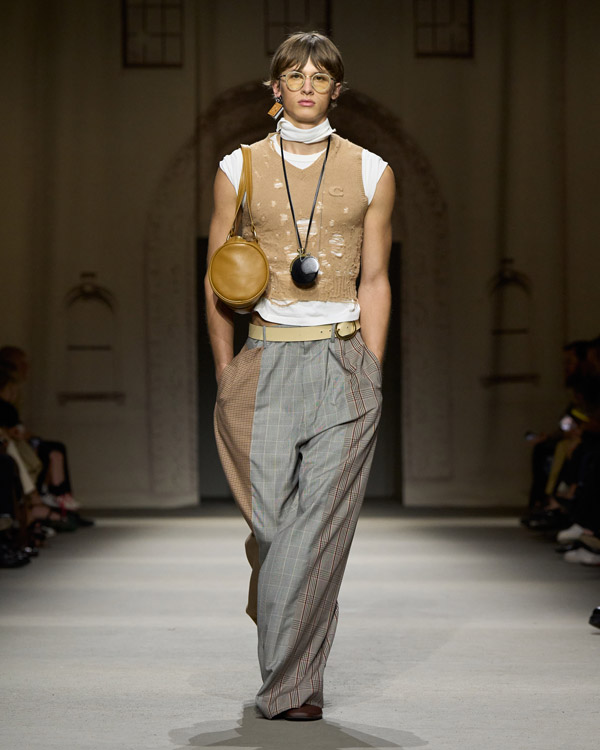
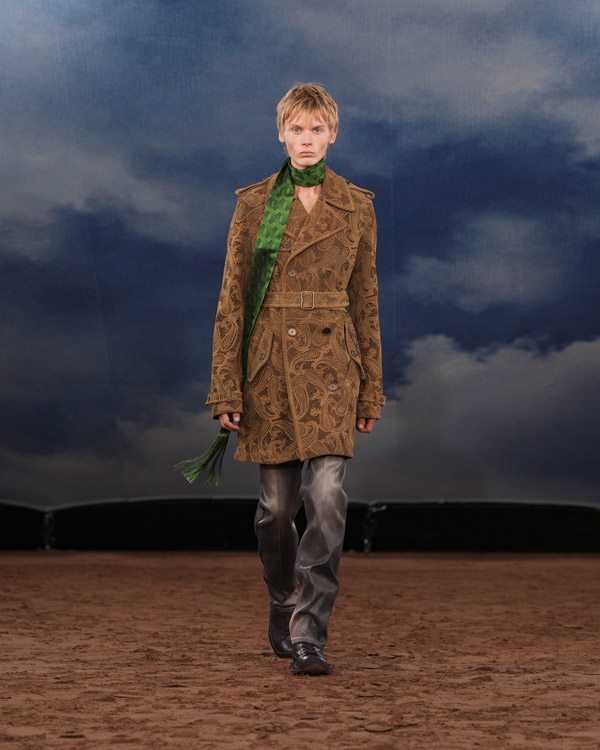
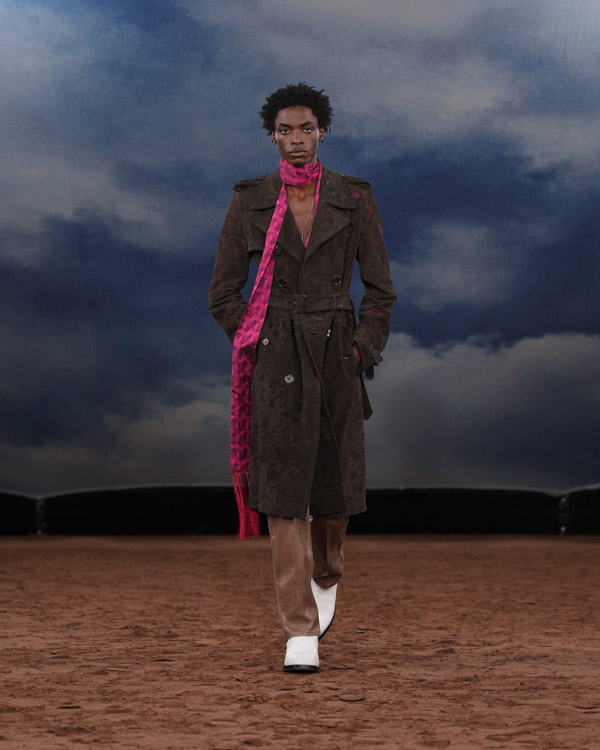
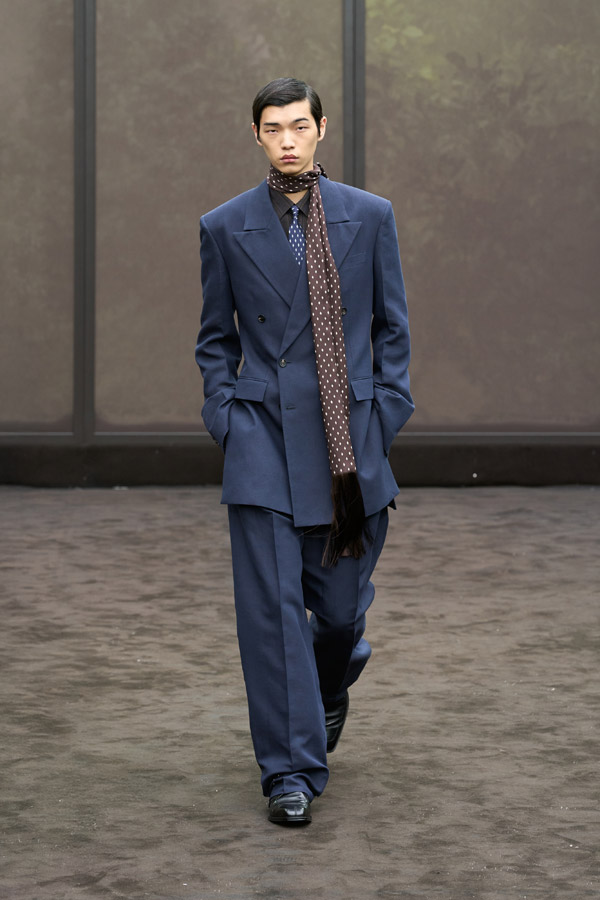
Burberry and Ferragamo proffer a more straightforward perspective. Reminiscent of long skinny scarves that were de rigueur in the noughties, they’re simply tied around the neck—neatly showcasing the prints—and left to dangle in the air. The idea is to have at least one end out for a sense of flou. Dior levels it up with what it calls a neckband. Shaped almost like a high fashion neck brace, the accessory is essentially a pre-tied bow tie fixed onto a silk cuff to instantly elevate a look. Or at the very least, an elevated way of hiding a hickey.
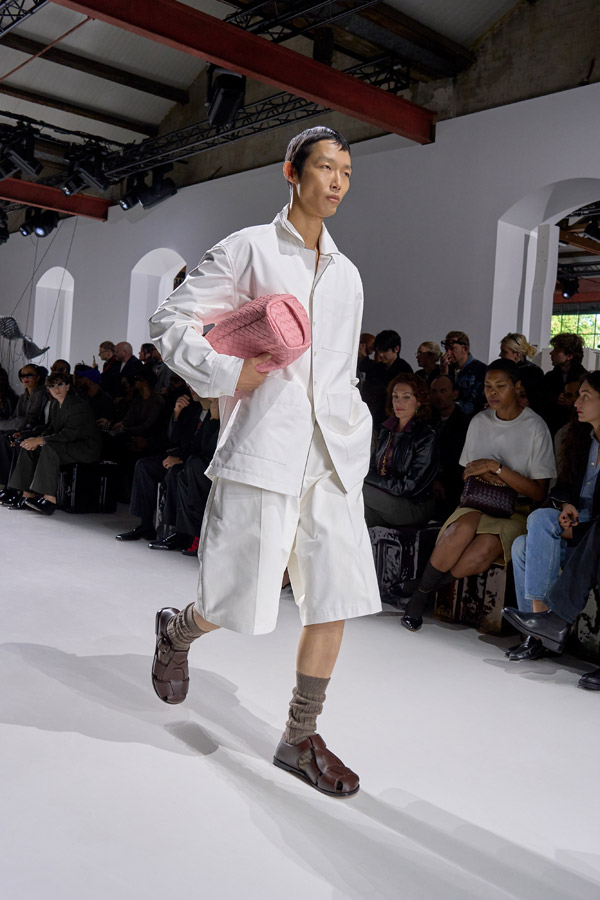
The growing sentiment is that there needs to be justification for the current prices pegged to luxury fashion bags. Bottega Veneta directs scrutiny towards the craft of a piece—how it is made, the level of complexity, and of course, design aesthetics, all of which it does exceptionally well.
Louise Trotter carries on the work done by her predecessors at the Italian luxury house by expanding the level of craftsmanship (and desirability) of its bags. By focusing on Bottega Veneta’s signature Intrecciato weave, Trotter brought back the technique’s original scale while reimagining the technique on new forms that echo the sensibilities of the House.
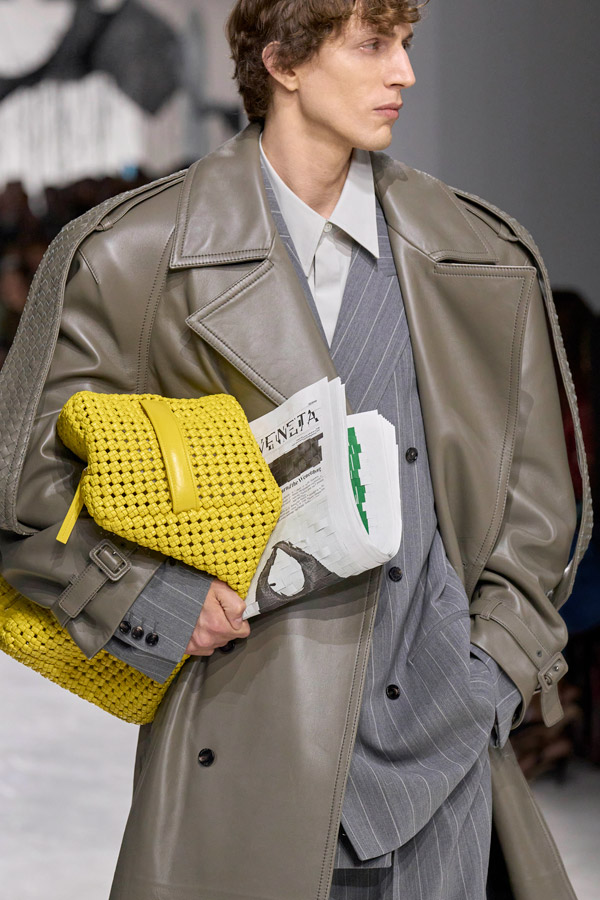
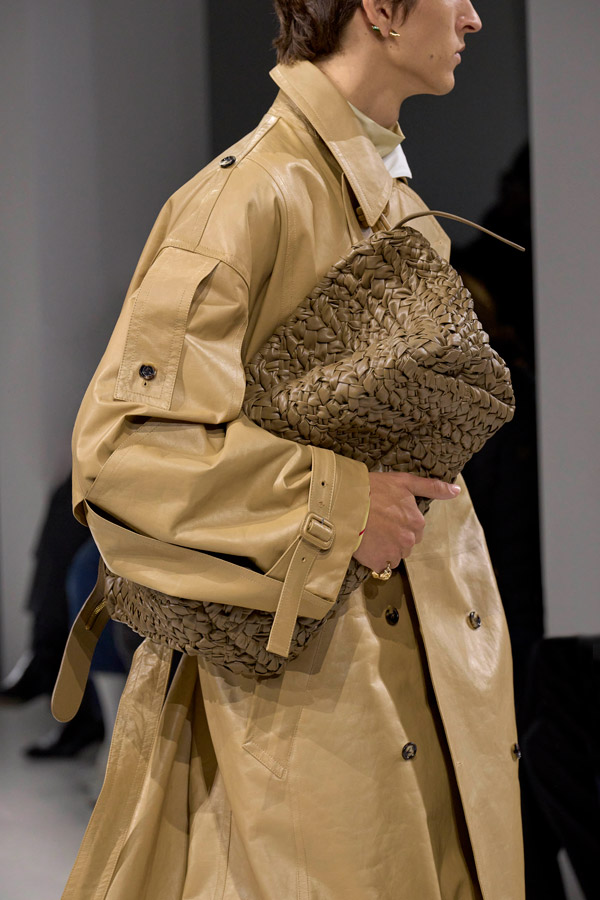
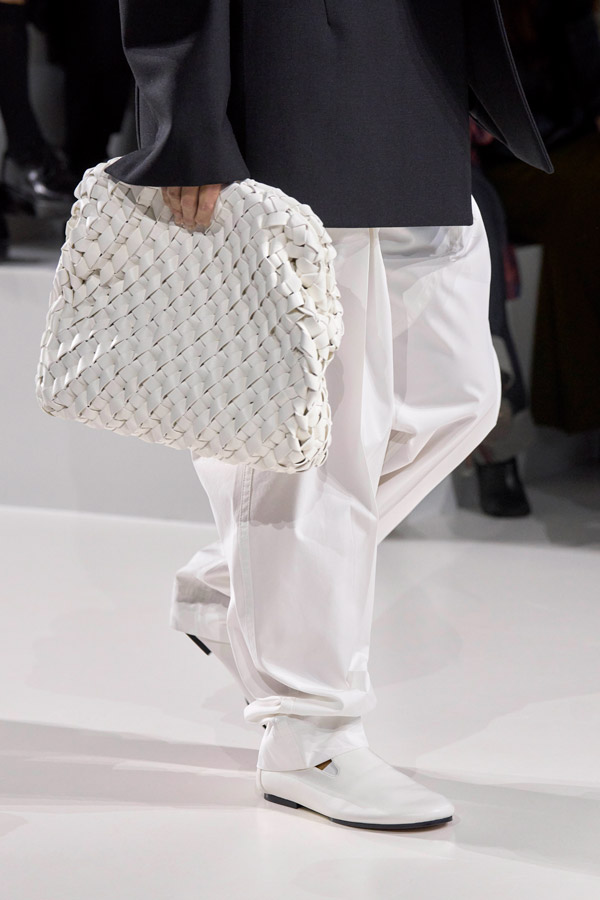
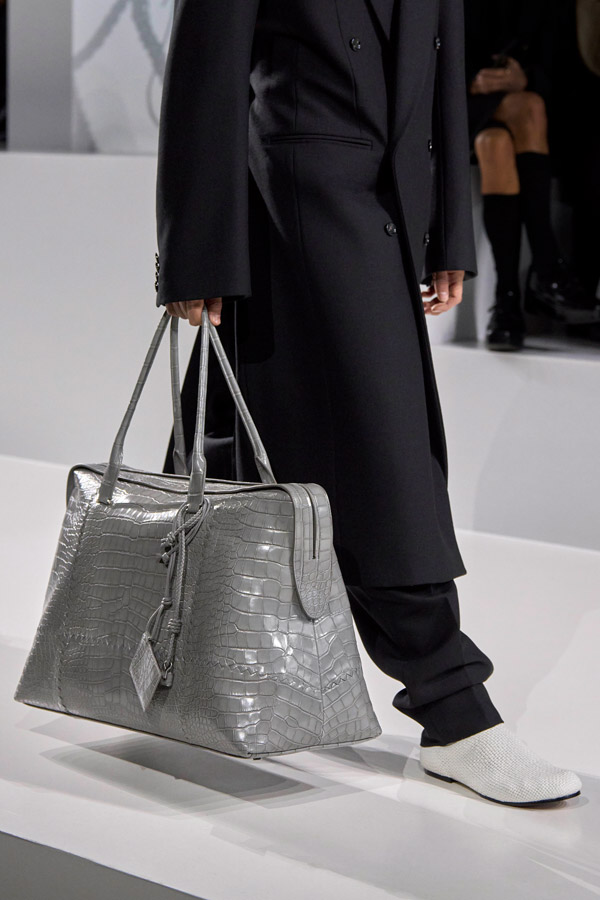
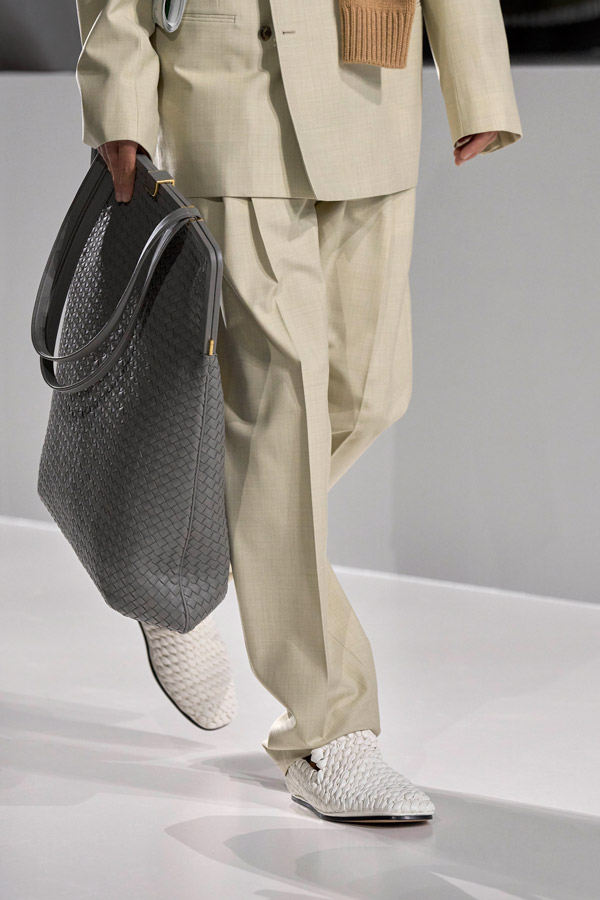
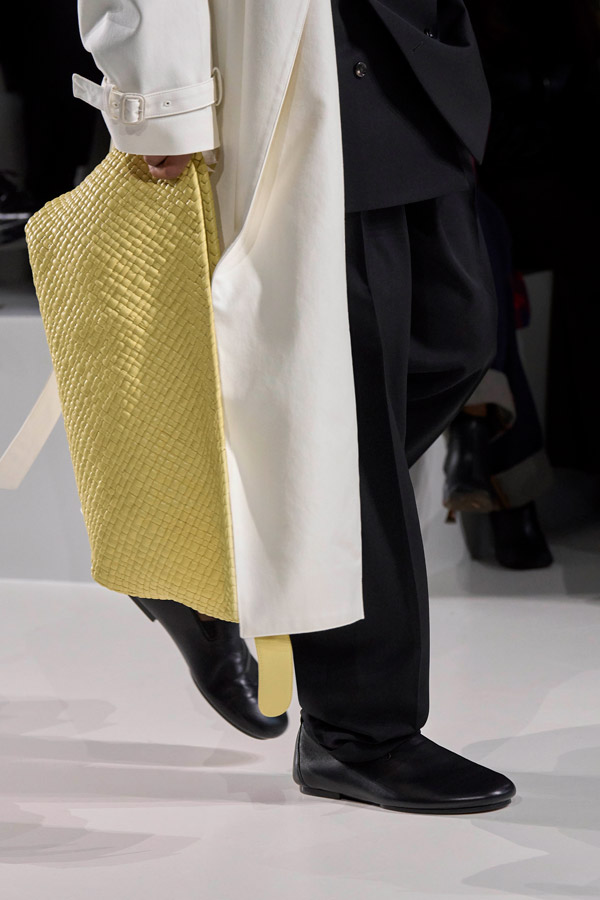
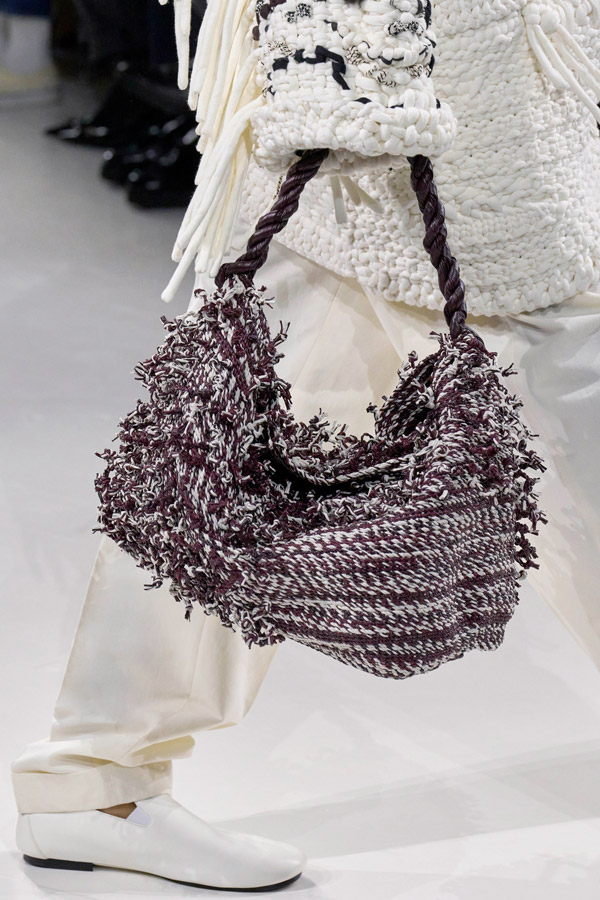
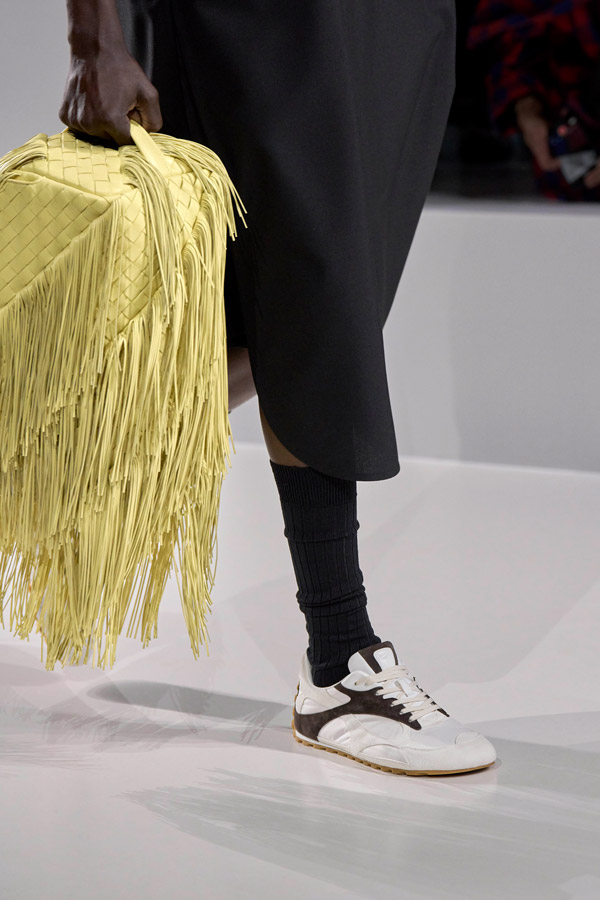
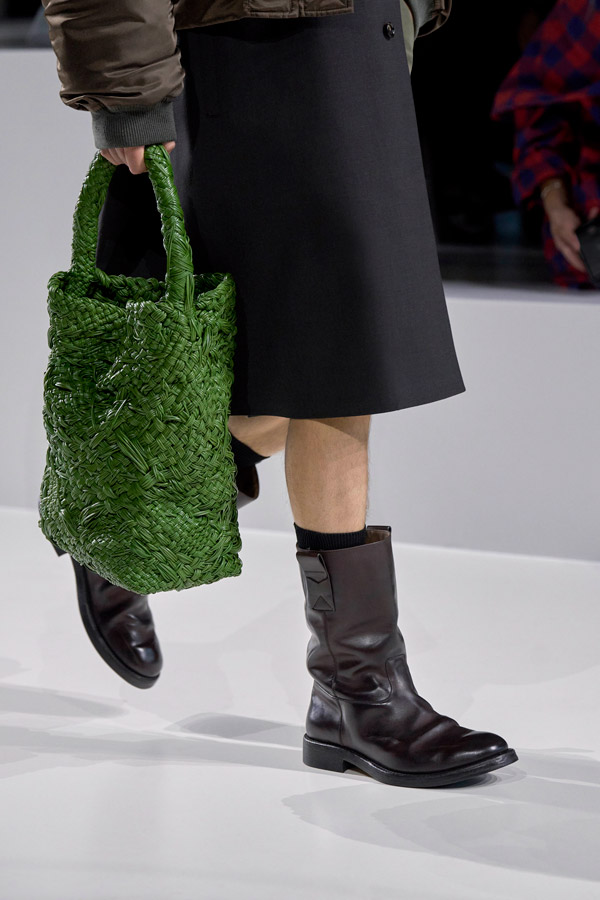
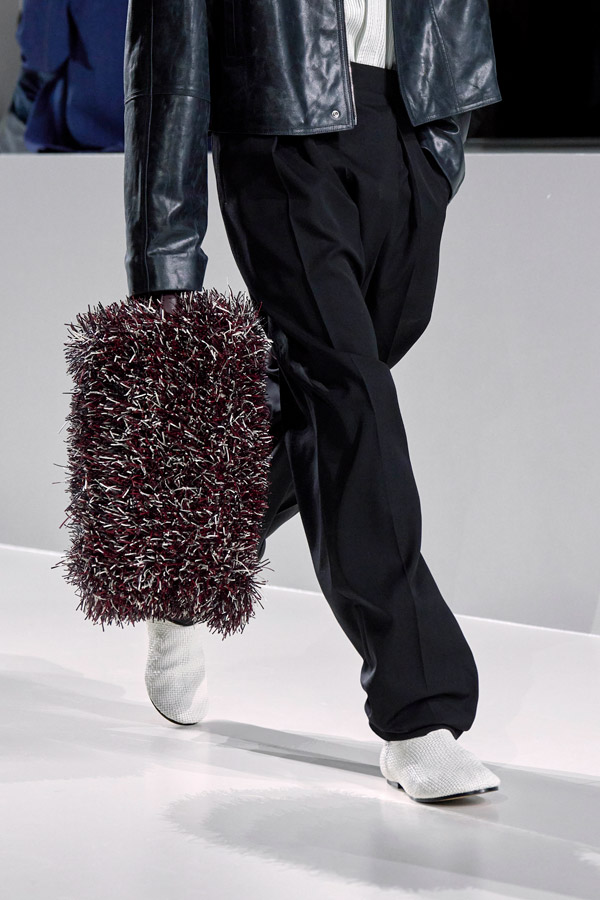
Roomy pouches, light enough to be held in one hand, are pliable and soft enough to be hugged, while framed bags—the kinds that fasten with a satisfying magnetic click—are oversized in proportions with the added functionality of wide shoulder straps. Classic styles such as the Knot and the Cabat are renewed with novel constructions while retaining their beloved shapes.
On the artisanal front are the array of top-handle bags crafted to emphasise the beauty of their materials. They showcase not only the array of techniques that the Bottega Veneta artisans are capable of aside from the Intrecciato, but also the level of artistry and creativity.
Let’s be real: we could all do with more sleep. It’s something we truly never have enough of, even if we tried our darnedest. Perhaps, in a bid to bring you a step closer to clearing all that sleep debt, designers have taken inspiration from bedroom attire (read: printed pyjamas and night robes) and fashioned them into mildly respectable options you can wear out of the house.
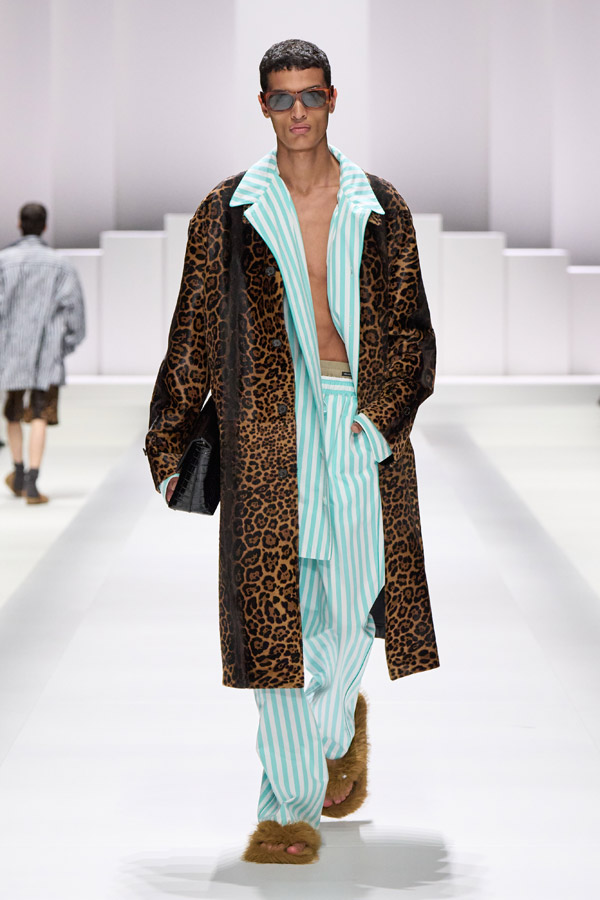
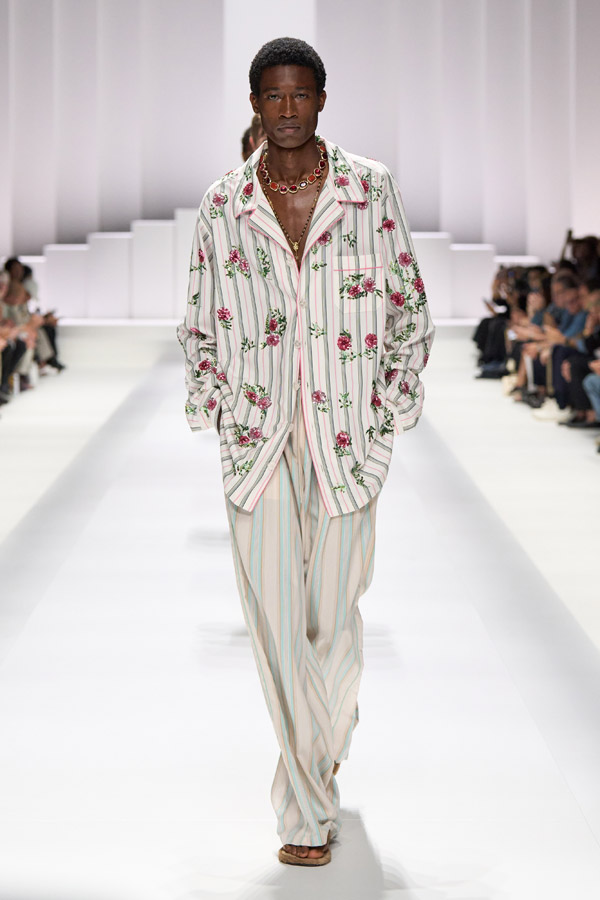
The main perpetrator of this pyjama-as-clothes resurgence is Dolce&Gabbana. The brand refers to its entire Spring/Summer 2026 menswear collection as “Pyjama Boys” with each and every look built on striped pyjamas. But of course, they’re remixed to feature the brand’s penchant for embroidery and embellishment. Even simpler pieces like suiting take on a pyjama vibe. There is some degree of challenge here, but what wins over is the level of creative ingenuity involved.
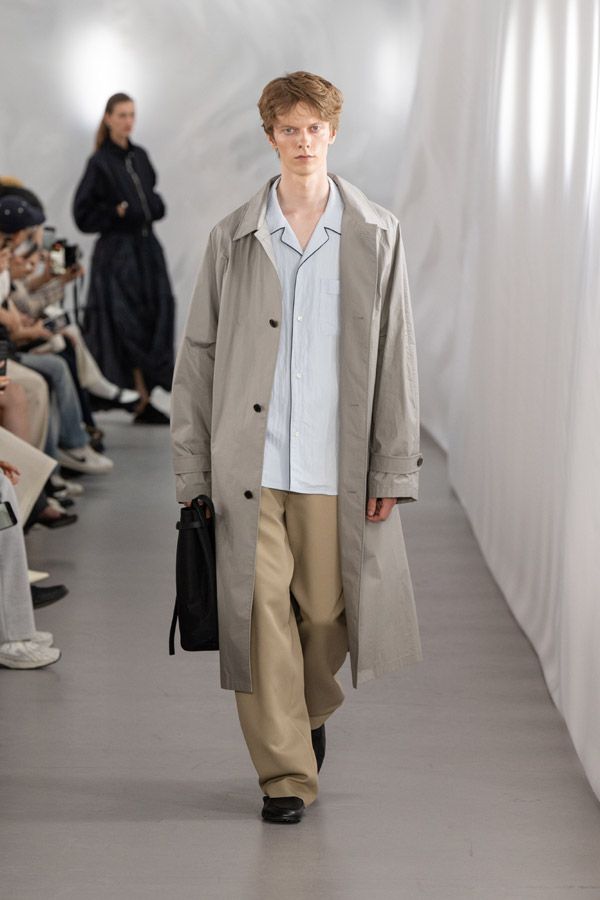
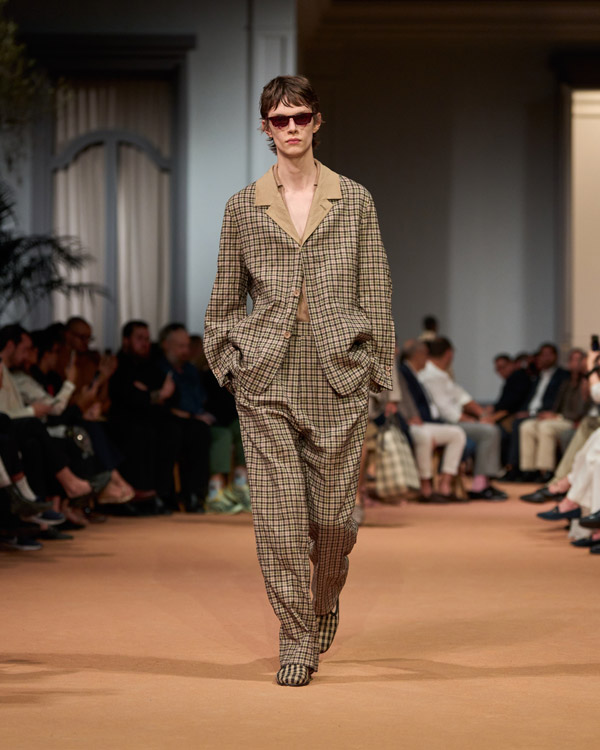
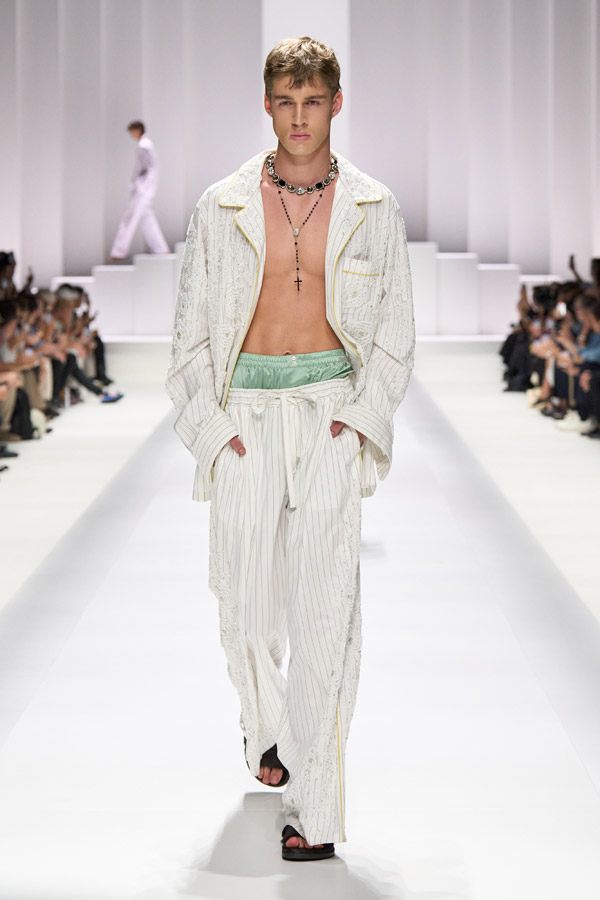
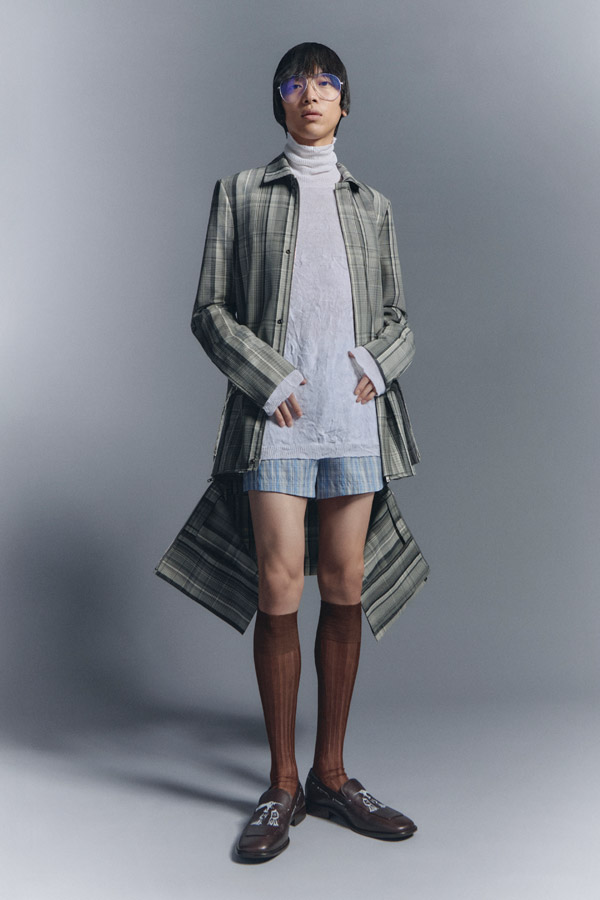
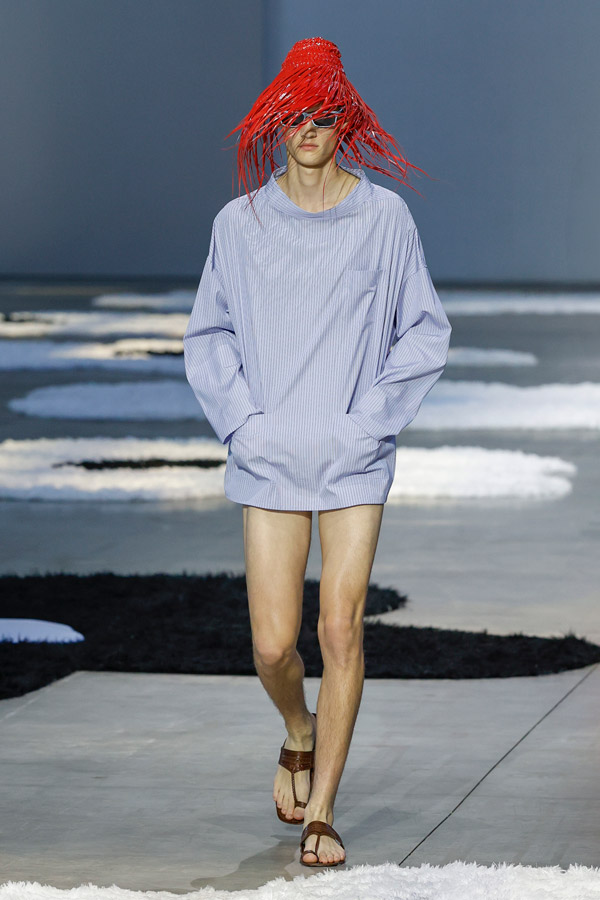
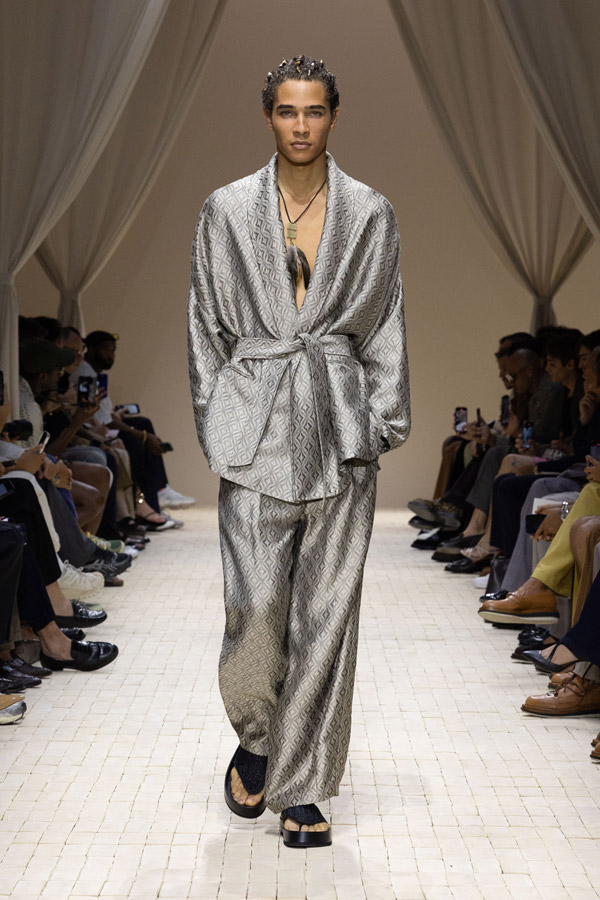
Elsewhere—and perhaps more wearable in the real world—pyjama-like prints take over as coordinated sets cut from luxurious materials. Emporio Armani’s geometric prints adorn elegant, fuss-free combinations as well as relaxed suiting that taps into the elements of a robe, albeit elevated with a slink factor. Zegna’s camp collar rendition is paired with slip-ons that resemble bedroom slippers done in a similar pattern for easy head-to-toe coordination.
For part one of things to note for Spring/Summer 2026 menswear.