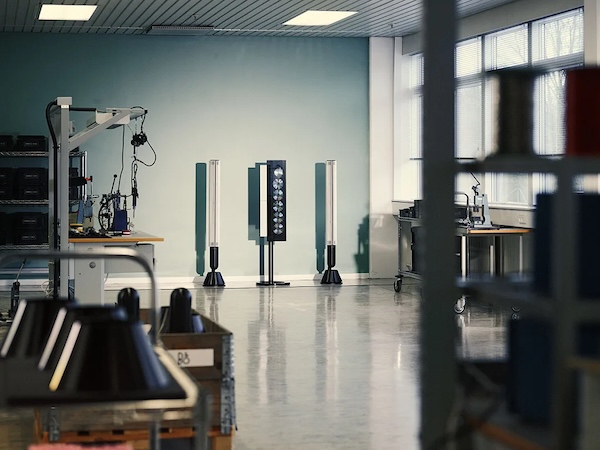
To most people, Bang & Olufsen is synonymous with high-quality audio equipment—but to call a B&O product merely a "speaker" or a "television" feels reductive. These days the scale and quality of its products demand attention even when they are silent.
This year, the brand celebrates its 100th anniversary, which stands as a testament to its singular, unwavering idea: that technology should not just function, but enrich our living spaces and touch our senses.
Simply put, Kristian Teär is not most people. Having just steered the Danish brand through its centenary year celebrations, the CEO’s plans are not just to reinforce that connection to high-quality but to build something even greater: “the first, true, Danish
luxury company”.
It is a bold ambition, but it would be hard to argue that Bang & Olufsen doesn’t possess all of the tools.
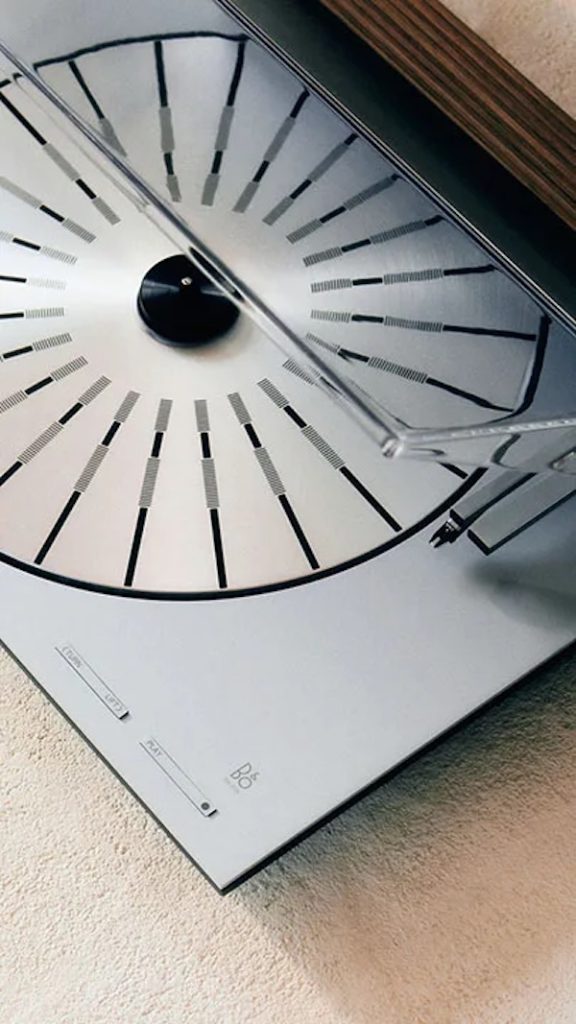
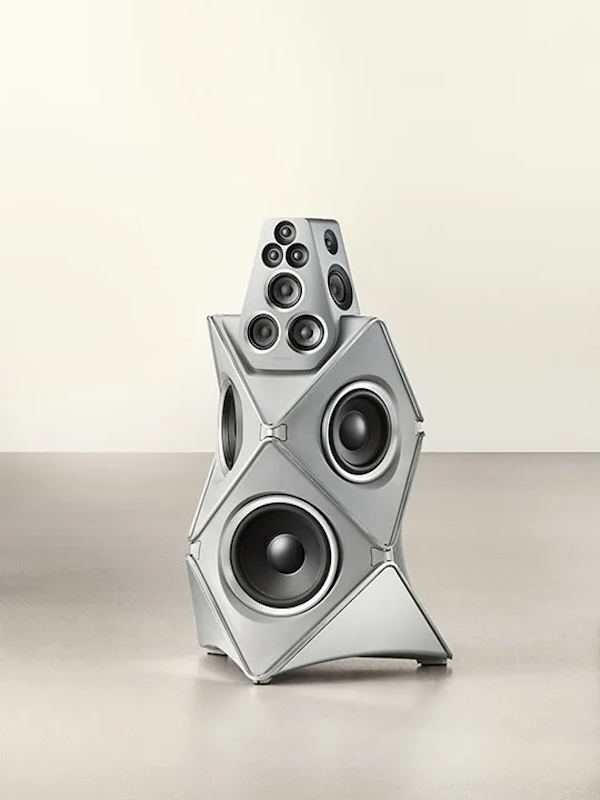
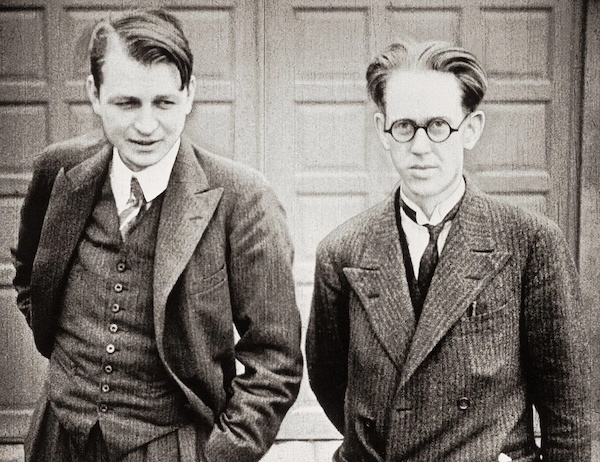
Since it was founded in the quiet rural town of Struer in 1925, few electronics brands have a history quite like that of Peter Bang and Sven Olufsen’s namesake. For a century, the Danish company has continuously created products that elevated the combination of minimalism, craftsmanship, and sound—from the iconic 1970s Jacob Jensen designs of the Beogram 4000 turntable and U70 headphones, to the vertical six-CD changing Beosound 9000 and contemporary sculpture-esque pieces like the Beolab 90 series—B&O’s legacy is one of constant, timeless design and innovation.
But for Teär, looking back isn’t about nostalgia—it’s about instruction. Despite this being a pivotal junction in the brand’s history, his future roadmap starts directly where it began 100 years ago, with a phrase the company’s founders wrote in a Danish attic in the Roaring Twenties.
“Sven Olufsen and Peter Bang wrote a statement back in 1925: ‘A never-failing will to create only the best, and to persistently find new ways.’ And, while that has always been an inspiration for the company, we have shifted it to the core of our strategy,” Teär explains. “It is our guiding star to drive the company forward into our new century.”
That forward momentum isn’t about chasing the latest tech trend; it’s about escaping the rat race entirely. To separate B&O from the sea of disposable plastic gadgets, Teär implemented a specific triad of values.
“Three years ago, we condensed our goals into three words: Luxury, Timeless, Technology. They were carefully chosen, and a lot of work went into selecting them,” he says, revealing a peek into his meticulous nature. In a time when the term ‘luxury’ is slapped onto anything with a waiting list and a high price tag, Teär’s perspective is refreshingly precise about what the word actually demands. It’s not just about cost; it’s about pedigree.
“To be considered a luxury brand, you need to earn the right,” says Teär. “You need to have heritage. You need a globally recognised brand name and to create desirable products that are created in an amazing way in terms of craftsmanship, design and material.”
Crucially, it also requires the ability to provide an elevated service to its customers, justified pricing power, distribution and its own network of stores, of which they currently have around 350. “We have all of those things.”
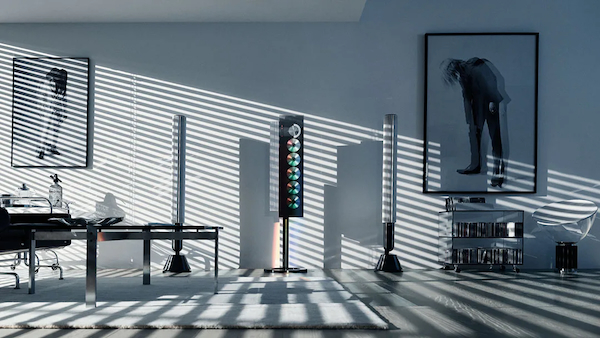
Perhaps the most fascinating pillar of his strategy is "Timelessness". Tech is usually designed to die. Your phone slows down after two years; your laptop battery gives up after three. Bang & Olufsen is betting on the opposite: the idea that electronics should last as long as a good watch.
“Timelessness is an important element, and we have this in terms of our products and our technology,” says Teär. “We have several products that have stood the test of time with regard to the designs and the materials—for example, when we recently recreated our classic Beogram 4000 turntable, it sold out immediately, [which] shows us that our products have a lasting value, and are not products that you throw away and buy new ones. We even have a Classics programme where we can restore people’s old models.”
This isn’t a new eco-conscious pivot, either. It’s simply how B&O is used to doing things, a philosophy Teär is championing once again.
“When we were creating products in the 1970s, things were designed in a modular way—‘screwed together, never glued together’—which means that things can be taken apart and repaired, upgraded, serviced and also customised, so that level of circularity is important to us. And all of this plays into the luxury playbook.”
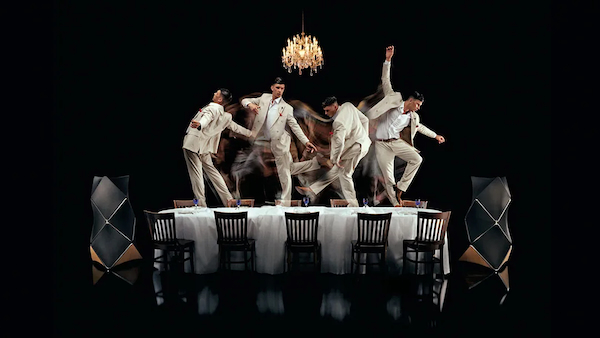
This commitment to longevity fosters a connection that goes far beyond the transactional. Teär shares a story that illustrates why B&O commands the kind of loyalty usually reserved for sports teams.
“A few years ago, a long-time customer of ours wrote me a letter. He explained how, back in the mid-’90s, he bought the BeoSound 9000 when it first came out. He was young and starting his career at the time, and he spent his first salary on it,” Teär recalls. “It basically followed him throughout his life, moving into bigger houses as he started a family and had children, always having a prominent place in his living room. A few years ago, it broke down, and he was devastated, but then he went on our website and found out about our Certified Classic Program, where we repair old pieces and give them back with a warranty. He did that, and then took the time to send me a handwritten letter to thank us for offering that kind of service.”
Teär gets it, because he’s been there. He’s not just the suit in the corner office; he’s an enthusiast. He remembers his first foray into buying B&O product was in the 1990s with the BeoSound 2000—the one with both CD and Cassette player—he later upgraded with the BeoSound 3200, with the glass doors and replaced the cassette player with a hard drive. “Later, I eventually bought myself the BeoSound 9000, because I couldn’t afford it back when it first came out,” he chuckles.
While the company ensures its engineering remains sharp—“For the tech aspect, it is our continued focus on creating the best technology, best audio quality and acoustics, and our own platforms to help usability”—Teär acknowledges a massive shift in how we consume culture. We are tired of the cloud. We want things we can hold.
“I recently read that 50 per cent of people who buy vinyl records today, don’t even own a turntable! They are buying vinyl because it is tangible and want something to hold, something to touch, because digital is very difficult to really appreciate on a deep level,” he notes.
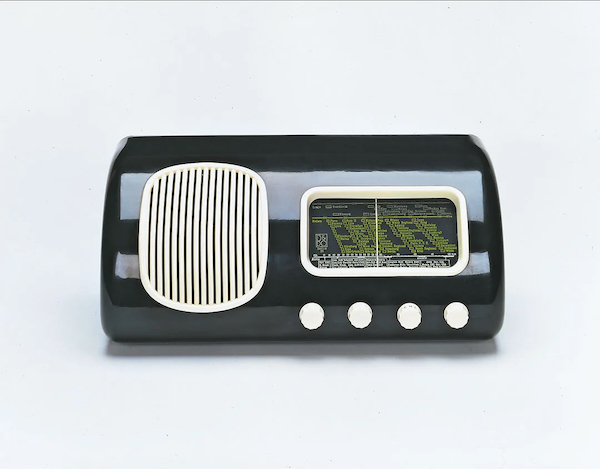
This emotional resonance is where the brand’s history becomes its greatest asset. “Our 100-year heritage plays an important part [in] our future. It is a strength to have a long history of honing and crafting products for 100 years, whether that be in design, craftsmanship or acoustics—it adds more emotional value to the product for the client who is buying it, because they are buying into part of your story. When you have our type of business strategy, then heritage is really important, because a long history is something nobody can copy.”
As Bang & Olufsen enters its next century, the vision is clear: “We want to build the first true Danish luxury company, and we are well on the way to doing that,” Teär states. “It will take time, and we’ll keep our focus on working towards it because we know it is working, and it will bring a lot of joy.”
And for the next generation? Teär has a simple directive.
“If I were to leave a message to the people who will continue to lead B&O for the next 100 years, it would be to always be inspired by innovation, craftsmanship and curiosity, and to have the courage to try new things— because that has always been a recipe for success.”