I didn’t need a travel camera. But I was planning a big family trip to Australia and connecting with my inner Wes Anderson, and I decided I deserved one. The problem? I had no idea what I actually wanted. Did I want a sleek little point-and-shoot for easy memory-making snaps? Did I want a vlogger’s dream machine for capturing my daily custard tart content? Or should I just go full Ansel Adams and invest in a rig so legit that airport security always pulls me aside?
Naturally, I spiralled. I researched. I also talked to an actual expert, Daniel Norton, Adorama’s 42West Editorial Manager, who walked me through which cameras make sense depending on what kind of traveller (and human) you are. Of course, the best camera is the one you’ll actually carry around and use. (That could even mean a good phone camera.) It’s about balancing image quality, ease of use, and how much gear you’ll realistically lug on your trip.
With his help, I narrowed it down to a handful of cameras—each great in different scenarios, depending on your shooting style, aesthetic goals, and tolerance for fiddling with buttons. These were the best cameras that I found for the avid travellers among us.
| PROS | CONS |
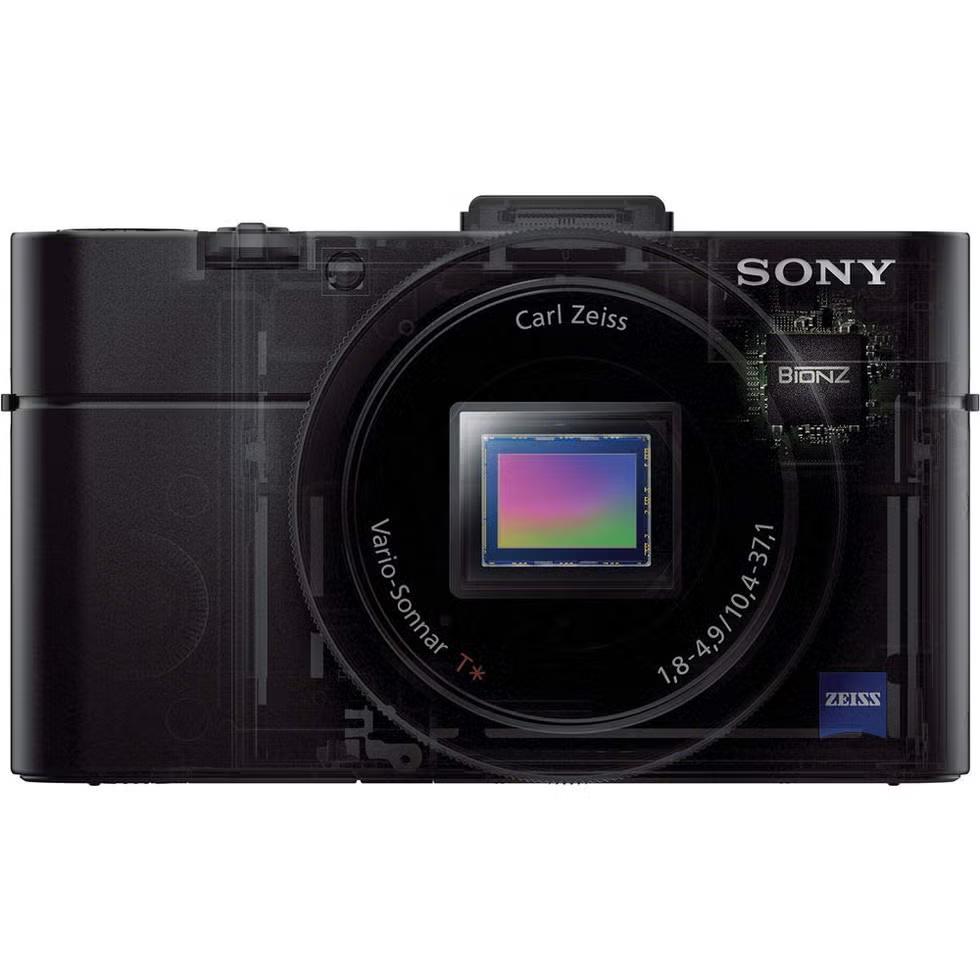
 Truly pocketable but shockingly powerfulFast autofocus with Real-Time Eye AF (for both humans and animals)Shoots blackout-free at 20fps or Single Burst at 90fps for blink-and-you ’ll-miss-it moments4K video with full pixel readout, plus slow-mo up to 960fps Truly pocketable but shockingly powerfulFast autofocus with Real-Time Eye AF (for both humans and animals)Shoots blackout-free at 20fps or Single Burst at 90fps for blink-and-you ’ll-miss-it moments4K video with full pixel readout, plus slow-mo up to 960fps |  No interchangeable lensesA small body means small buttonsBattery life is decent, but you’ll probably want a spare No interchangeable lensesA small body means small buttonsBattery life is decent, but you’ll probably want a spare |
This was the camera I kept coming back to when I realised I wanted zero fuss and full power. The Sony RX100 VII is like the secret weapon of travel photographers who don’t want to be weighed down. You know that friend who always gets the best photos but never seems to be holding a camera? They’re probably using this. It fits in your pocket. It zooms from 24mm to 200mm. And it focuses faster than you can say “Wait, smile again!”
I’d use this on trips where I don’t want to think too hard—walking tours, markets, quick coffee snaps, stealthy candids of strangers with great outfits. It’s fast (up to 20fps continuous shooting), sharp, and versatile enough to get landscape shots one moment and a close-up of a pastry the next. And the image quality? Chef’s kiss. It also handles video like a champ: 4K with no pixel binning, impressive slow-mo capabilities (hello, 960fps), and built-in stabilisation that actually works. The flip-up screen makes selfies feel less awkward, and there’s even a mic jack if you want to go semi-pro.
Norton told me this is the one “you’ll often see in a professional’s pocket,” and that tracks. It’s got pro DNA in a tiny, non-intimidating body.
| PROS | CONS |
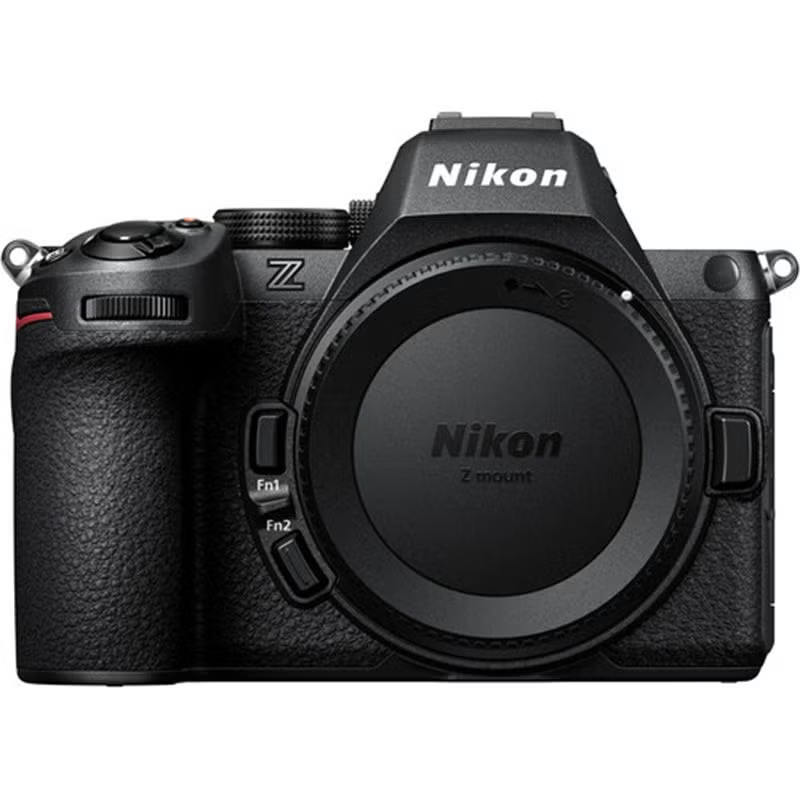
| Full-frame 24.5MP sensor = dreamy, detailed imagesGreat in low lightFast autofocus with tracking for 9 types of subjects5-axis image stabilisation for handheld shooting | Not compact—it takes up real estate in your day bagMight be more camera than you need if you're just snapping for socialPrice is only the camera; need a lens as well |
I wanted a “starter camera,” but one you could grow with, not one that screams starter camera. The Nikon Z5 II fits that sweet spot between approachable and aspirational. It’s basically for anyone wanting to level up from their phone, shoot in all kinds of light, and maybe pretend to be a professional travel photographer. I’d use this for everything from wide-open landscapes in Iceland to portraits of my kid eating gelato in dim side-street cafés. Norton summed it up perfectly: “When asked what the best camera for beginners is, some might pick a really inexpensive camera. I tend to think that it should be easy to get started with and have room to grow. This Nikon is a full-frame camera, allowing for the best quality images, even in less-than-ideal lighting.”
And that’s exactly what makes it so good—it’s forgiving, but powerful. The autofocus system tracks everything from people to pets to passing cars, even in near darkness. Pre-Release Capture saves the moments you missed before you clicked the shutter (basically a photo time machine), and a Starlight View mode lets you frame your shot even when it’s so dark you can’t see your hand. It’s a real camera you can learn on, but won’t outgrow anytime soon.
| PROS | CONS |
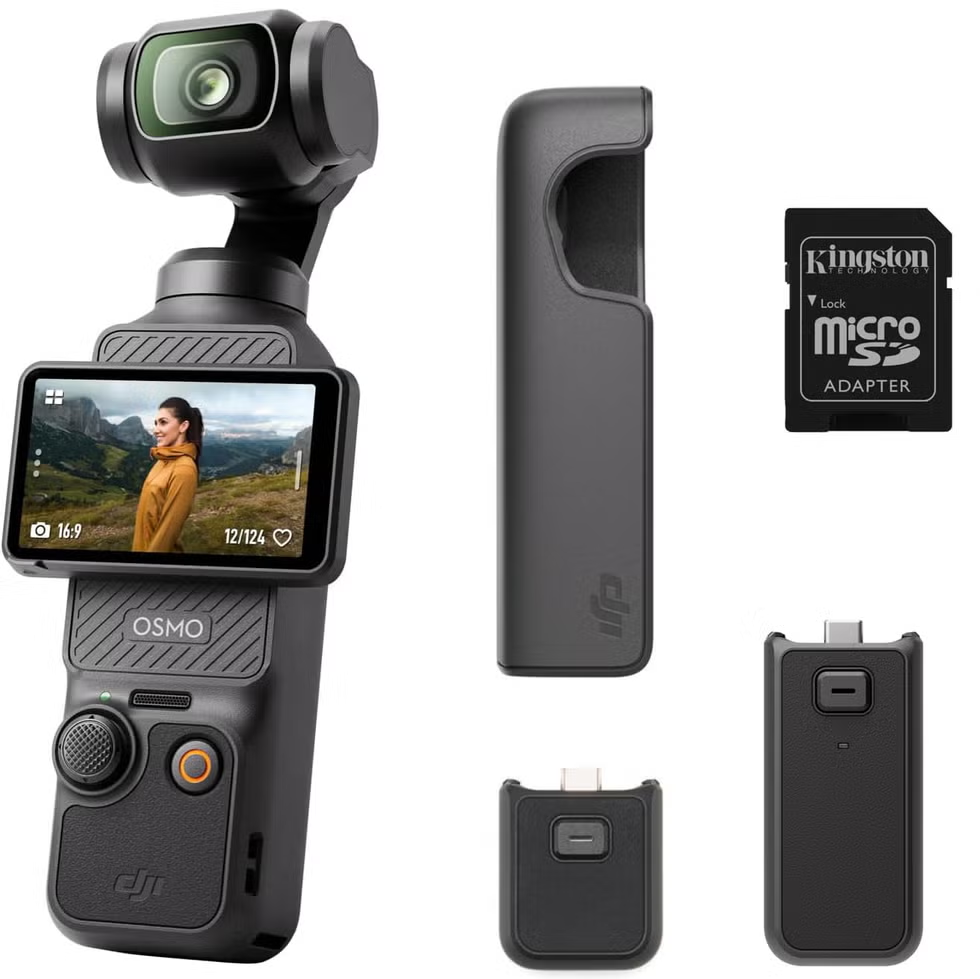
| Smooth, stable footage thanks to built-in 3-axis gimbalTiny enough to fit in your pocket or that one random pouch in your backpackRotating touch screen makes switching between selfie mode and forward-facing effortlessGreat built-in audio, plus wireless mic integration for top-notch sound | Not really built for still photography, so you’ll want your phone or a second camera for thatRequires some post-editing to get the most from the footage (especially with 10-bit) |
Content creator was not my goal here. I just wanted vacation videos that didn’t look like they were shot during an earthquake. The DJI Osmo Pocket 3—a tiny, gimbal-stabilised camera—does that. It’s small enough to live in your pocket, but powerful enough to shoot 4K at 120fps, with a 1-inch sensor that delivers impressively crisp video even in tricky lighting. Think golden hour in Lisbon, alleyways in Tokyo, or your living room at 6 a.m. because your child doesn’t believe in sleep.
According to Norton, this camera is made for travel creators but equally useful for anyone who wants professional-looking video without lugging a full setup. “This tiny camera is made for vlogging,” he told me—and he’s not wrong. The built-in three-axis gimbal makes every clip look cinematic, and the audio? Surprisingly, it is excellent thanks to onboard mics and seamless integration with DJI Mic 2 lavaliers, so you’re not messing with cables or clunky attachments.
It’s the perfect “set it and forget it” tool for smooth, vibrant travel footage—whether documenting your road trip or narrating a croissant taste test in Paris.
| PROS | CONS |
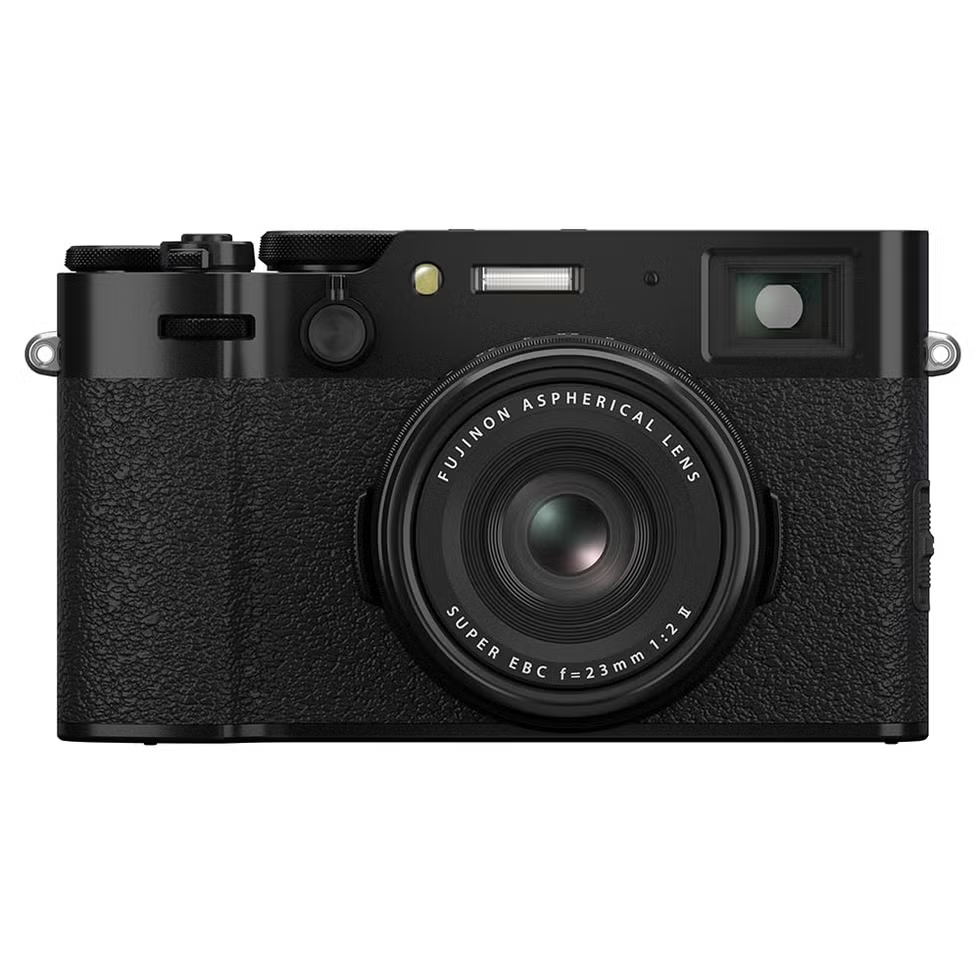
| Retro look and feelOptical viewfinder with a digital overlayFilm simulations that digitally recreate Fujifilm’s most popular stocksPowerful autofocus | Not for beginnersFixed focal length can be limiting |
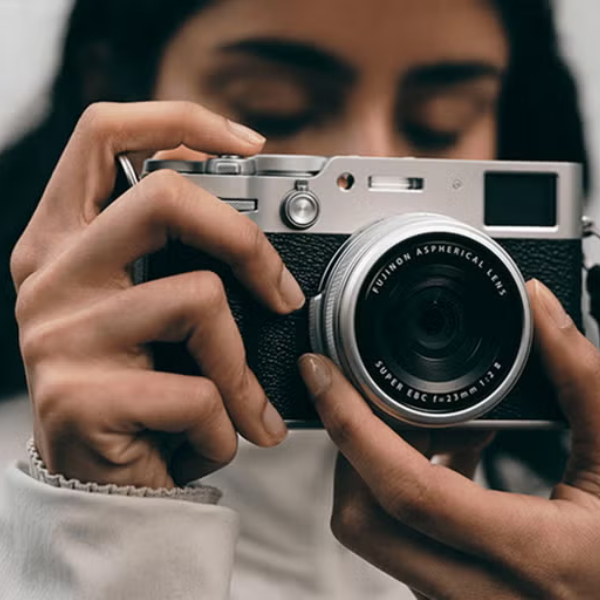
If you want the look and feel of shooting on film, without actually having to learn to work with film, what you're after is a FujiFilm X100. The X100VI (released last year) is the most advanced of the stylish, analog inspired cameras and it's been a social media stunner. It's far from the most beginner friendly, but it may just be the most rewarding travel camera to master. Compared to its predecessors, it's more lightweight and has quicker autofocus.
While this is a digital camera, it is loaded with physical dials and switches to make the shooting experience as tactile as possible. But this isn't what truly sells the vibe. What makes this camera different is Fuijifilm's simulations. These film simulations are filters that instantly alter the colour, contrast, grain, and highlights to give your photos that retro look the second you take them. Go with the Portra 400 for that classic Kodak look or, if you are so inclined, spend hours browsing the custom community creations to find the exact vibe you're searching for.
The X100VI does in a pinch as a video camera, with the ability to shoot video 6.2K video at 30 frames per second and 4K video up to 60 fps. That being said, in terms of focus, it's stuck with a single lens rocking a fixed 35mm focal length. As is the case with the Sony Cybershot, this means there's no option to attach zoom lenses to adjust your framing on the fly whether you're doing photography or videography.
| PROS | CONS |
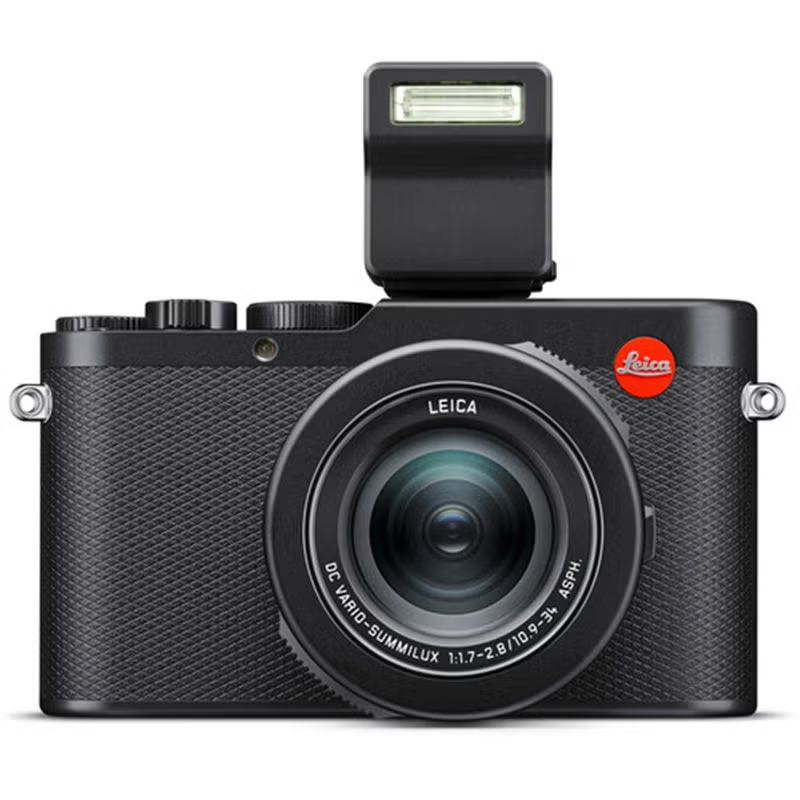
| Beautiful color and contrastOLED optical viewfinderEasy to use app for quick file transfer and sharingUSB-C charging | Flash attachment may be too bulky for some to travel withLess ergonomic grip |
In 2025, celebrated camera manufacturer Leica celebrated its 100 year anniversary. Over a century in, and it's clear the brand has design down to a science. But there is more to this camera than just how it looks (which, to be clear, is phenomenal). The D-Lux 8 is an adaptable point-and-shoot that will grow with you. It's got a crisp OLED viewfinder with a high res digital rear screen. It also sports a removable flash attachment for nighttime and low light shooting.
Despite being around for longer than most of the other camera makers on this list, Leica offers one of the most high tech solutions to photo sharing and editing. Once you sync the D-Lux 8 with the Leica Fotos app, it will automatically connect to the app on your phone and upload photos over the cloud. If you're shooting at home on Wi-Fi, this means all your shots will instantly hit your phone app, ready for touch-ups or just to blast out to all the besties.
The camera also has USB-C charging. Which means you don't have to panic to find the exact charger it came with when your battery is running low before a day trip. Just plug it into your phone or computer charger and it will be ready in no time. It's pretty seamless. And if you want even faster transfer speeds you can plug the camera directly into your computer using that same USB.
| PROS | CONS |
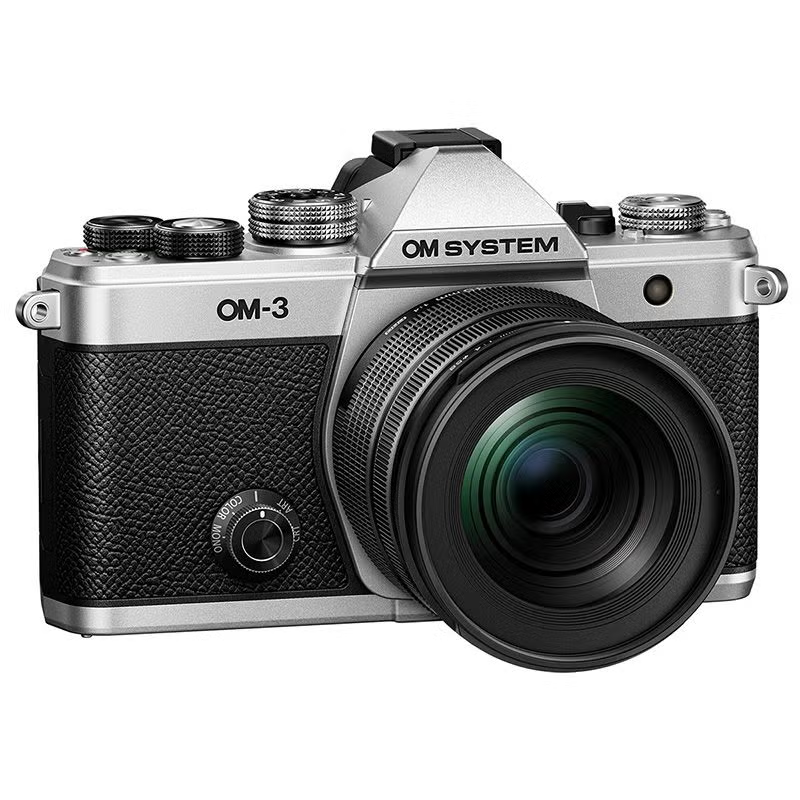
| Compact, durable body that’s easy to carry on hikes or dusty safarisWeather-sealed (go ahead, shoot in the rain)Fast, accurate autofocus—great for birds, squirrels, or your toddler sprinting toward a duckVintage design with modern guts: built-in creative filters and profiles | Smaller sensor than full-frame = slightly less low-light performanceIf you’re not doing wildlife or outdoor photography, you might not need this much telephoto |
This is the camera that'd made me think, maybe I am into birding and nature photography? Because the OM SYSTEM OM-3 practically dares you to go outside and wait for something to fly, run, or skitter past. It’s compact (thank you, Micro Four Thirds sensor), fast, and weather-sealed—so it doesn’t flinch when you're standing in the drizzle trying to get a shot of a moose or, more realistically, a slightly dramatic squirrel.
According to Norton, what makes it so good for nature photography is that “the telephoto lenses you’d use for wildlife are much smaller than their full-frame counterparts.” Translation: you’re not hauling a lens the size of a baguette into the woods. I’d use this for hikes, national park trips, or anywhere I might get unexpectedly enchanted by a fox. The autofocus is built for fast-moving subjects, and the OM-3’s vintage-inspired metal body makes you feel like a nature photographer from a cooler, more analog era—even though it’s packed with smart digital features like customisable colour profiles, creative filters, and sharp glass with anti-reflective lens coating.

In the end, I didn’t find the perfect travel camera. That's because a single camera doesn't necessarily exist. Instead, I found a handful of very different, very capable ones, depending on who you are, how you travel, and what you want to capture (emotionally and literally). Whether you’re chasing birds through the Rockies, filming a silky-smooth vlog in Rome, or want something discreet and powerful for everyday moments, something here will make your photos better, and your trip feel a little more cinematic.
As Norton kept reminding me: the best camera is the one you’ll actually use. So pick the one that fits your vibe, pack an extra battery or charger, and please, for all of us, don’t forget the memory card.