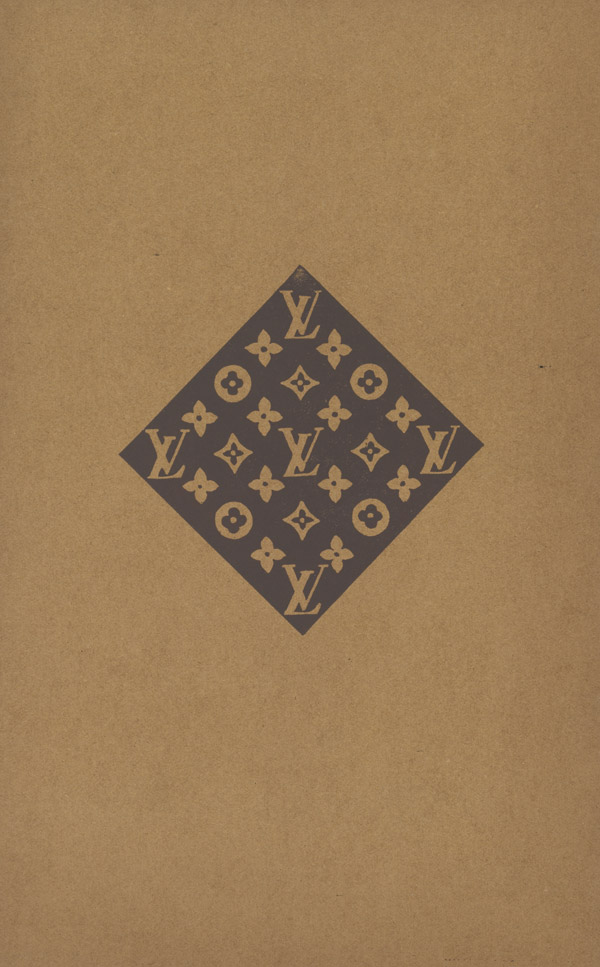
Before even seeing the full name of the brand, the Louis Vuitton Monogram has ubiquitously become the tell that a piece adorned with its multi-motif pattern is a creation of the House. That's how you know something is iconic, and the fact that the Louis Vuitton Monogram has remained a mainstay of the House for more than a century now is a further testament to its status.
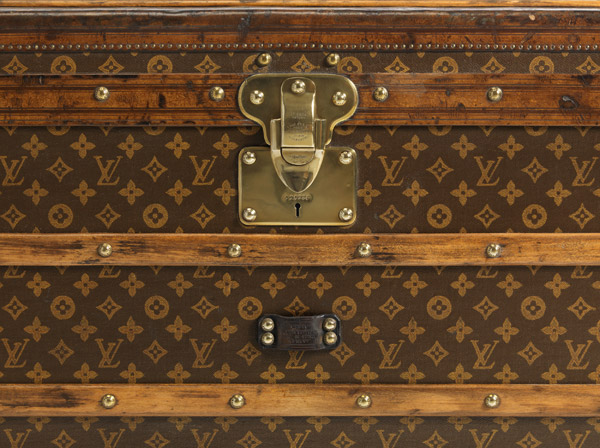
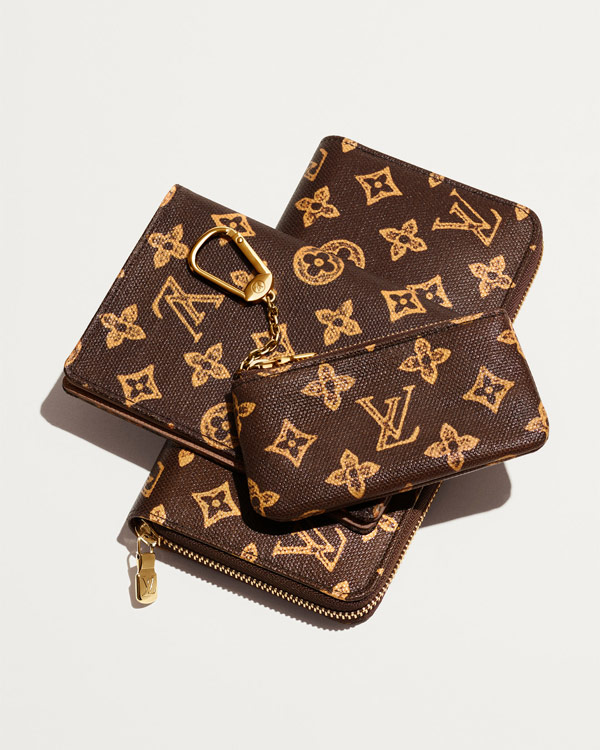
When George Vuitton first conceived the Louis Vuitton Monogram, it was 1896. The intention was to pay tribute to his father Louis—the visionary founder of the House—as well as a means of protecting the legacy of the House's trunk-making craftsmanship from being imitated by cheap knock-offs. Georges sought a graphic representation of the House, arranging the interlaced LV initials with stylised floral medallions to form an ornamental pattern.
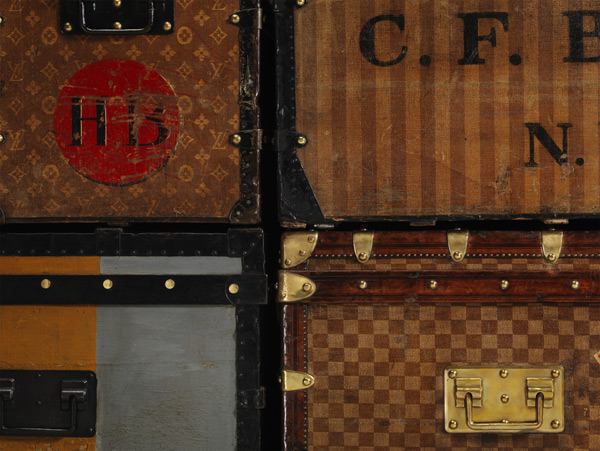
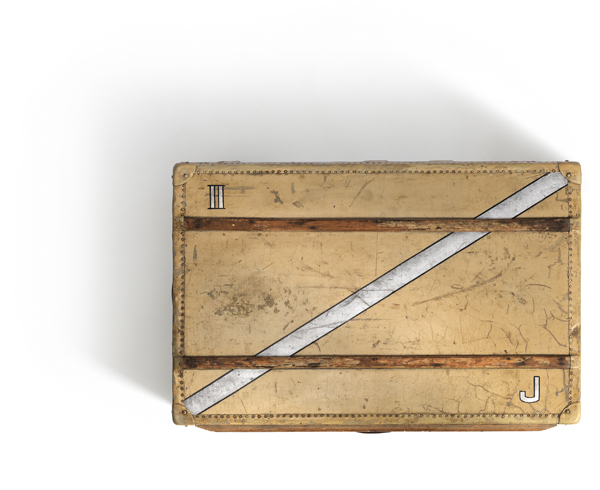
"Ornamental" may be the intention of the Monogram's different elements, but Georges took serious care in coming up with them as symbols with deep resonance to Louis Vuitton as a House. At a time in Paris where the emergence of different art forms were bubbling under, Georges took inspiration from the city's Gothic architecture as well as Japanese family emblems called mon. It's an aesthetic that he's familiar with—an intersection of the ornamental with modernity—that surround his home in Asnières. His son, Gaston-Louis Vuitton described it best in 1965: "First of all, the initials of the company—LV—are interlaced in such a way as to remain perfectly legible. Then a diamond. To give a specific character to the shape, he made the sides concave with a four-petal flower in the centre. Then the extension of this flower in a positive image. Finally, a circle containing a flower with four rounded petals." It's an East-meets-West expression, one that cements the House's travel heritage of crossing borders and cultures.
A patent was officially registered on 11 January 1897, and the Monogram was applied onto Louis Vuitton trunks and subsequently, the entirety of its growing universe since.
The first iteration of the Monogram canvas was woven on a jacquard loom using linen threads in tones of ecru and sienna. Even back then, the material was an innovation, offering a more lightweight alternative to leather with a resistance to wear that made it perfect for travel. The craft behind the Monogram canvas has seen several improvements throughout the decades and were all done with the aim to heighten the material's hardiness and resistance to as many different elements as possible.
Along the way, the canvas became quite literally a form of artistic expression as interpreted by numerous creatives. Fashion creatives the likes of Vivienne Westwood, Azzedine Alaïa, and Manolo Blahnik to those outside of the realm of fashion such as Marc Newson, Cindy Sherman, Takashi Murakami, and Yayoi Kusama have all contributed to the ever-expanding legacy of the Monogram. Louis Vuitton's own slate of artistic directors too have each reinvigorated the Monogram through various treatments.
Now, with 130 years of innovation and evolution, Louis Vuitton is taking the opportunity to dedicate 2026 to the Monogram.
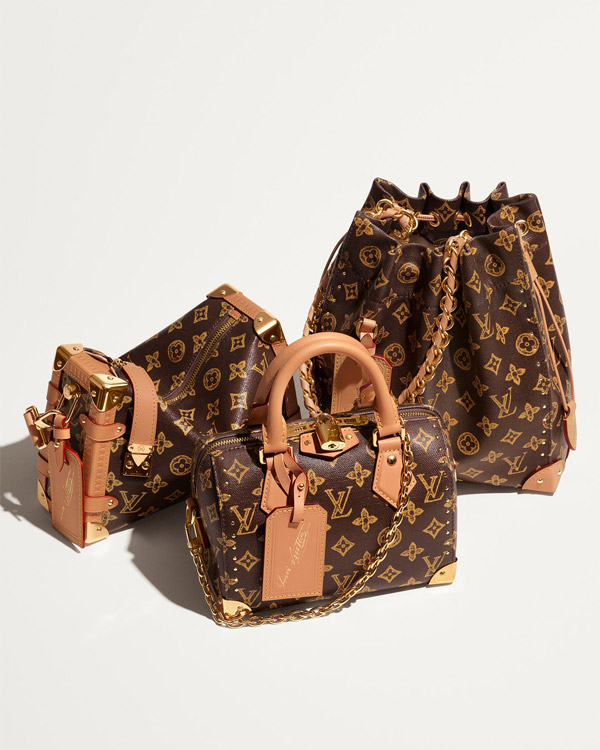
It begins with celebrating some of the Monogram's most iconic bags—the Speedy, the Keepall, the Noé, the Alma, and the Neverfull. Each bag was created at different points since the Monogram was first conceived, yet continues to be emblematic Louis Vuitton creations that have been revisited time and time agan. And most importantly, they've grown to be House classics.
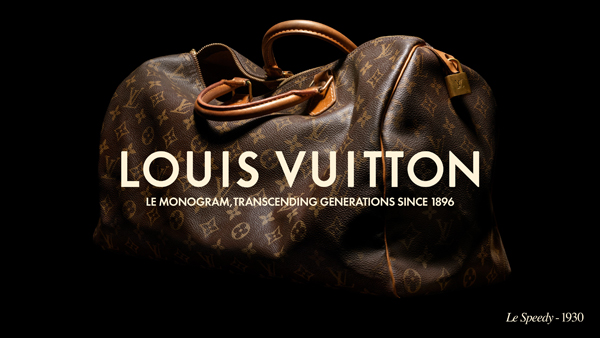
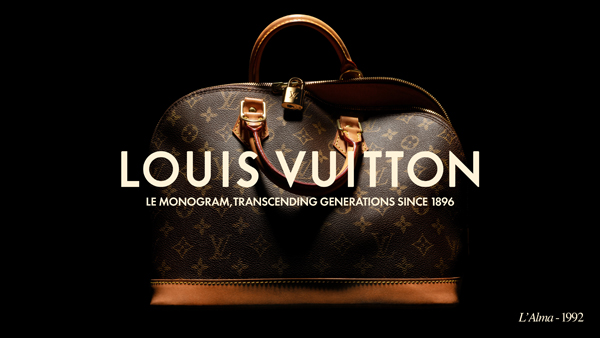
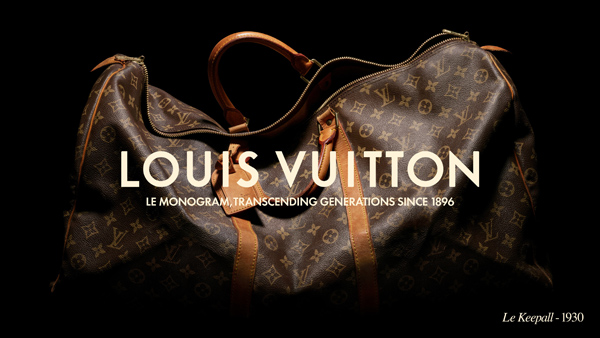
Louis Vuitton will also launch the Monogram Anniversary Collection, focusing on three capsule collections reinterpreting the Monogram by referencing codes of the House's trunk savoir-faire.
The first is the Monogram Origine Collection that pays homage to the first 1896 pattern through a new
Monogram canvas. The traditional jacquard weave is revisited but this time crafted from a blend of linen and cotton rendered in a palette of soft pastel hues for a decidedly vintage spirit. The collection took notes from the cover of an archival client register of the House. The range of colours available include the historic Ebène, with four delicate pastels that have each been named as a tribute to the essence of Louis Vuitton—Lin (cream), Vert Asnières (green), Rose Ruban (pink), and Bleu Courrier (blue).
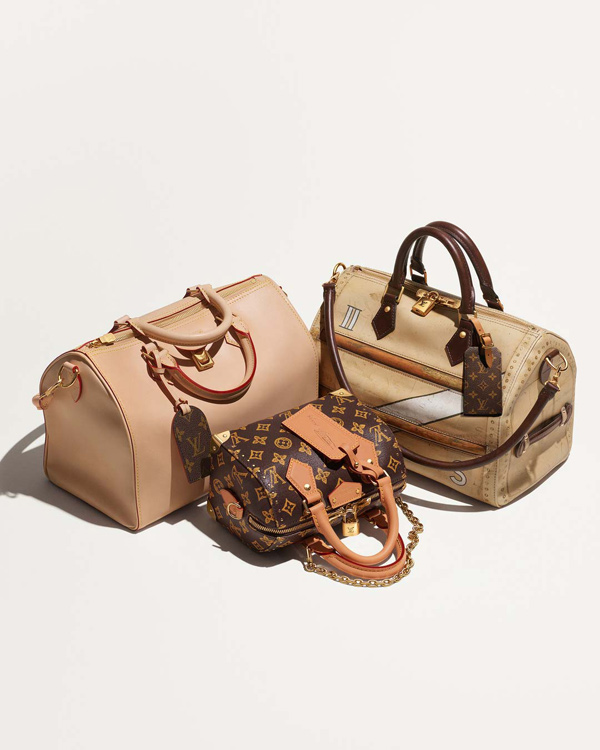
An ode to Louis Vuitton's leathergoods legacy, the VVN Collection—the acronym for "Vache Végétale Naturelle"—is crafted from the finest natural cowhide. The collection highlights the purity and tactile poetry of hand-finished, vegetable-tanned leather, with each piece designed to develop a unique patina over time. Each bag in the collection will come with a detachable Monogram name tag as well as feature an inner lining crafted from a Monogram jacquard.
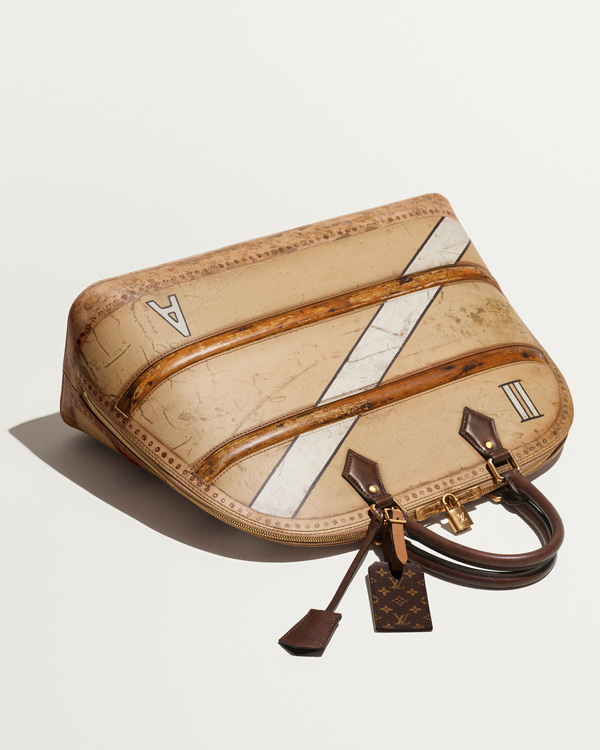
Last, and certainly by no means the least, the Time Trunk Collection is a modern reproduction of Louis Vuitton's historic trunks (the original canvas of the Monogram) on bags. Bold trompe-l’œil printing reimagines the textures and metallic details of trunks as a clever way of transforming heritage into artful illusion. The collection was first introduced by artistic director of women's collections, Nicolas Ghesquière, for the Autumn/Winter 2018 womenswear collection and then reimagined for Autumn/Winter 2024. High-definition printing allows for a remarkably clever treatment that will have just about anyone take multiple takes on the look of each Time Trunk creation.
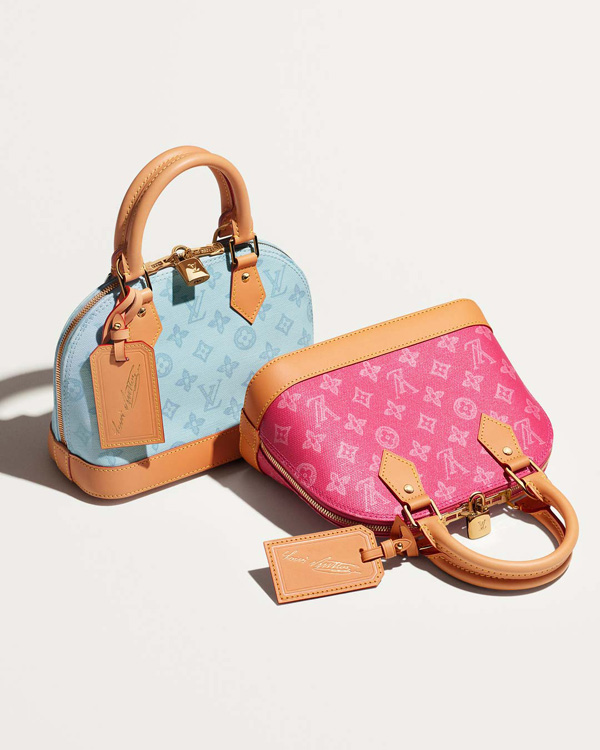
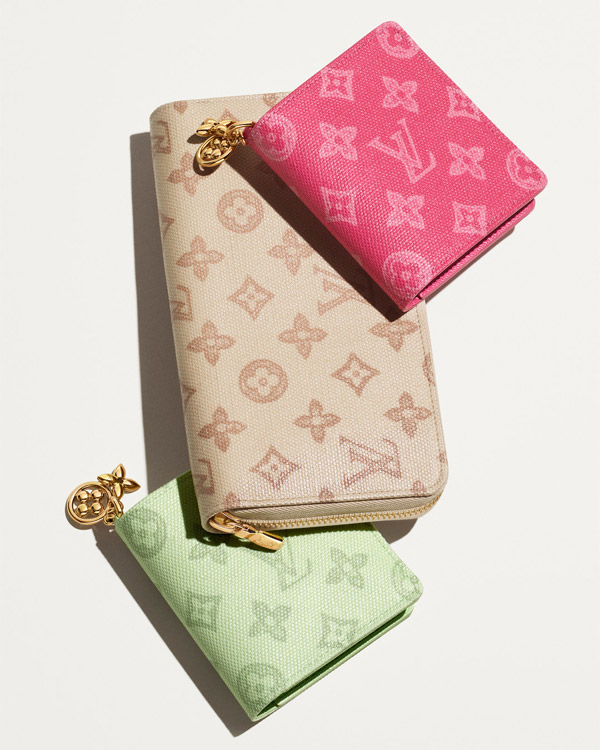
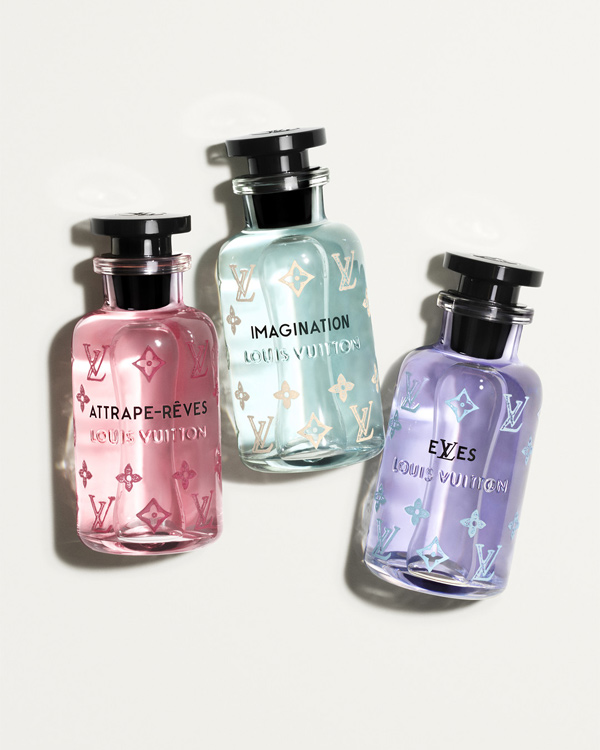
Aside from the aforementioned three capsule collections, the Monogram will also adorned some of its signature fragrances in the manner of the Monogram Origine Collection. Lin wraps Imagination, Attrape-rêves wears the Rose Ruban variation, and eLVes embodies the Bleu Courrier. In addition, two travel cases in Rose Ruban and Bleu Courrier offer accompaniments to these new variations.
And all that, folks, is just the beginning.