With the rise of non-surgical fillers to 10-step skincare routines and AI tools to sculpt your selfies, the pursuit for aesthetically pleasing perfection is becoming more than just a beauty ideal. Although the term “Looksmaxxing” is now popular in Singapore, this cultural phenomenon has existed within our society since the early 1970s, when the craze for Bruce Lee’s body standards emerged, and continued into the 1990s-00s, when the obsession with being built like Aaron Kwok or local celebrities such as Pierre Png prevailed.
Looksmaxxing, a term originally coined from online “incel” forums to improve someone’s sexual market value (SMV) in the 2010s, has since seeped into mainstream social media such as TikTok and Instagram. Today, it’s the Gen Z vernacular for self-improvement in the form of anything from skincare routines to surgical wishlists. In Singapore, where a high-achievement culture meets image-conscious social media habits, it becomes more evident.
Online looksmaxxing communities push a growing list of hyper-specific, often invented flaws like interpupillary distance, canthal tilt, or lack of “hunter eyes”, encouraging young men and teenage boys to obsess over their appearance through practices like bone smashing, chin implants, or mewing. These forums often rate users based on arbitrary beauty standards, rewarding features like chiselled jaws, hollow cheeks, and low-set eyebrows while ridiculing those who don’t meet them. It’s a space where appearance is constantly scrutinised, and where being “mogged” (outshined by someone better-looking) can lead to bullying and insecurity.
The deeper someone gets into these communities, the clearer it becomes that looksmaxxing isn’t just about appearance. Its roots in incel culture bring with it a streak of misogyny and defeatist thinking, often disguised as self-help. In a society obsessed with achievement and image, it’s not surprising that young men begin to view appearance as a form of capital. When every photo, video, or interaction is subject to judgment, the pressure to be visually perfect can quietly turn confidence into insecurity.
To unpack the nuance, we sat down with three individuals at the heart of the matter: a content creator, a writer, and a plastic surgeon. Together, they reveal the highs, lows and the quiet truth behind
Singapore’s looksmaxxing culture.
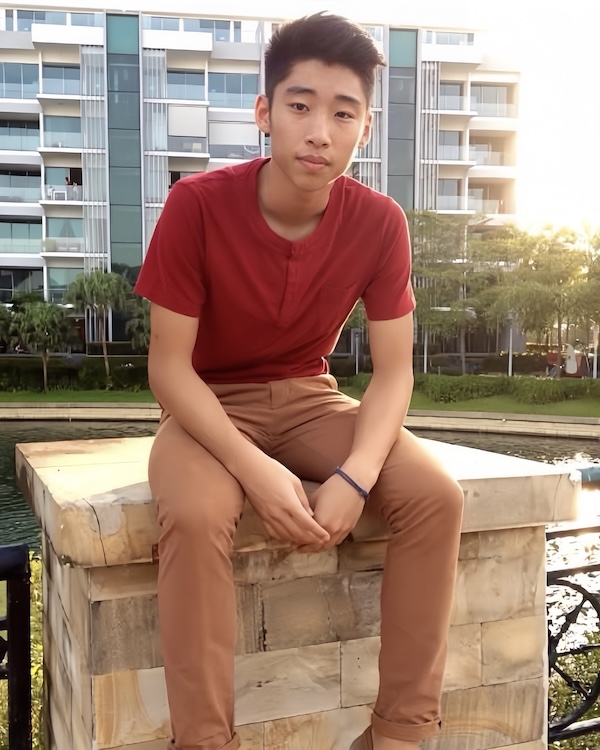
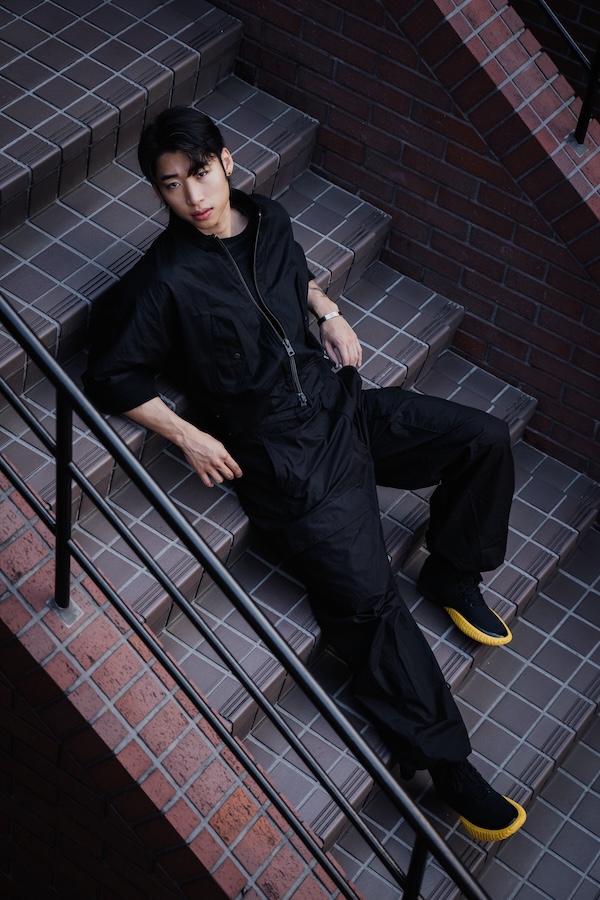
For Kevin Chatchapon, a 27-year-old content creator and aspiring actor with over 233k followers on Instagram, the way he thinks about his appearance has completely changed. “Last time, I didn’t really care about how I looked because I wasn’t in the industry,” he tells me. “After I started attending events, I got a lot more self-conscious about how I look and the way my skin looks, the way my hair looks, the way I dress; every single way, every single aspect.”
Chatchapon did it all. He started taking the gym seriously and even went for skin treatments to help himself look better. “I think it’s [a] very industry normal [process], if you are a creator.” And honestly, can you blame him? Social media throws you into constant comparison, “like, K-pop, Thai pop, the celebrities you see online on the shows, [and] you [start to] see their influence.” But for him, it’s about balance. He thinks it’s fine to take care of yourself, as long as you don’t go overboard. “If I obsess over getting a new nose, then I think that’s too much. [And] that’s where I draw the line.”
Still, even with all the effort, Chatchapon admits that staying camera-ready is a never-ending process. He pauses for a moment and says, “I definitely want to work out a bit more, lose some fat around my face, because I want to look good on camera.” At the same time, he tries to stay grounded. He knows it’s okay to be where he is now, and that confidence, in itself, is part of the work.
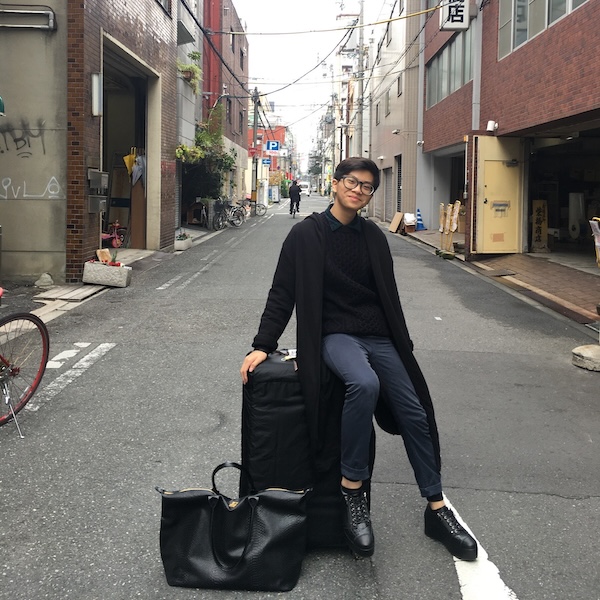
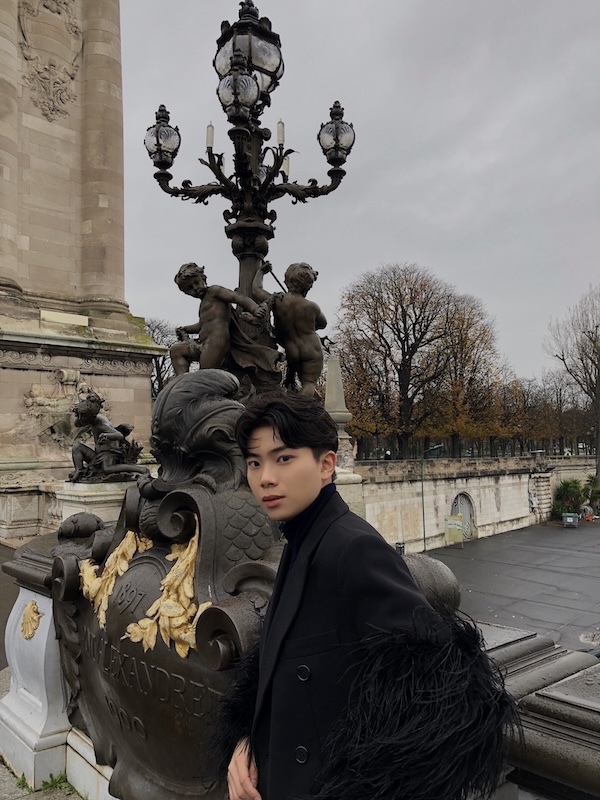
In a quiet corner of the office, I sat down with Mitchell Hoo, a writer for a local publication. Back in secondary school, Hoo had craved recognition; he wanted to be seen, acknowledged, and, above all, accepted. That need for validation marked the beginning of his journey towards trying to fit into certain body ideals.
“I skip breakfast, so it’s lunch [and] dinner, then I do a 45-minute workout. So, it consists of a 15-minute run and 35-minute callisthenics exercises. And sure enough, I [had] slimmed down and I managed to appeal to people.” But with that appeal came something else…. vanity. “And I even remember skipping a lecture one day to go for my perm,” he admits, half-laughing at the memory. It’s telling. For a while, appearance felt like it was everything to him.
Now, however, Hoo seems to be looking inward more. He tells me he’s come to believe that feeling good on the inside matters far more than how others see you. Still, it’s hard to ignore the way image culture affects the younger generation in Singapore. “I think that in the past, looks weren’t as important. Perhaps just being decently well-groomed was sufficient. But right now, it’s so much more than that.”
Even as he speaks with more clarity and self-awareness these days, he admits it’s a work in progress. He’s slowly unlearning the pressure to look perfect all the time, and credits this shift to feeling more at ease with who he is. That peace, he says, has allowed him to grow, without constantly needing to check his reflection every time he goes out to buy a matcha. “I think that beauty is meant to enhance our every day-to-day. It’s not meant to replace, life can happen without looking absolutely flawless [all the time].”
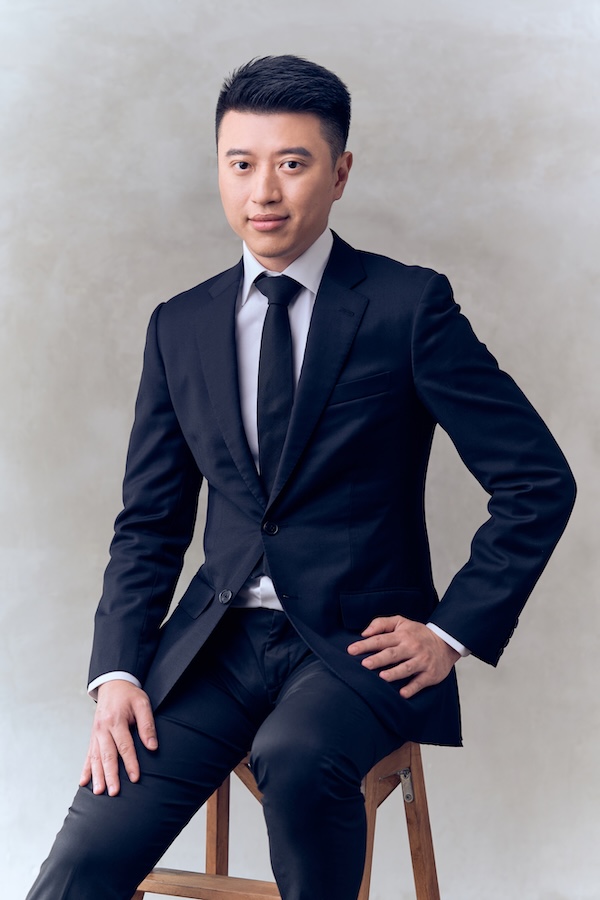
If influencers and everyday people show us how looksmaxxing plays out on the surface, then plastic surgeons are the ones who witness what it looks like beneath the skin. Dr Matthew Yeo, a plastic surgeon with over a decade of experience in Singapore, has observed a clear shift in his clientele in recent years.
“With men, the main increase is the face and [one of the most common] is the eyelid surgery. [As well as] facial contouring.” It’s a trend that’s becoming harder to ignore. In Singapore, the number of men opting for cosmetic procedures is growing year by year. According to Yeo, “There is a lot more focus on facial-based aesthetic procedures in Asia. And I think [in] Singapore, we do see a trend.”
He links this rise to the growing pressures brought on by social media; an amplified need to conform to certain beauty standards, especially among younger men. As he puts it, the influence of social platforms has made these ideals feel not only desirable but almost expected.
Still, despite the demand, Yeo maintains a firm stance on patient safety. He regularly advises those under his care to choose reputable clinics and avoid being tempted by cheaper, riskier alternatives. “Disasters” is the word he uses, cautioning against the darker side of aesthetic culture that can result from poor decisions made in the pursuit of perfection. Even so, he acknowledges that cosmetic surgery is no longer a niche in Singapore. It’s becoming part of the mainstream.
In Singapore, where competition runs deep and appearances often speak before words, it’s no surprise that the looksmaxxing trend is gaining traction. Beauty has long been tied to success, from job interviews to dating apps. In some cases, just being conventionally attractive can open doors that talent alone may not. And this isn’t only an issue of vanity. It intersects with class, race, and access. Not everyone can afford aesthetic treatments, gym memberships, or premium skincare. Yet the pressure is democratised and everyone feels it, even if not everyone can act on it.
As we wrap up, Hoo leaves with a thought that lingers. “I think that the idea of curation is really damaging and that’s the one message that I really hope that people can take away from this.”
In the end, looksmaxxing is just a mirror; one that reflects not just our insecurities, but our aspirations. The question is: what do we want to see when we look into it? And more importantly, who are we doing it for? To look in the mirror and not recognise yourself. That’s the real tragedy of looksmaxxing. And for many young Singaporeans, that moment comes too soon, too often. In a world that’s constantly telling young people to change themselves, maybe the most radical act is learning to be enough as you are.