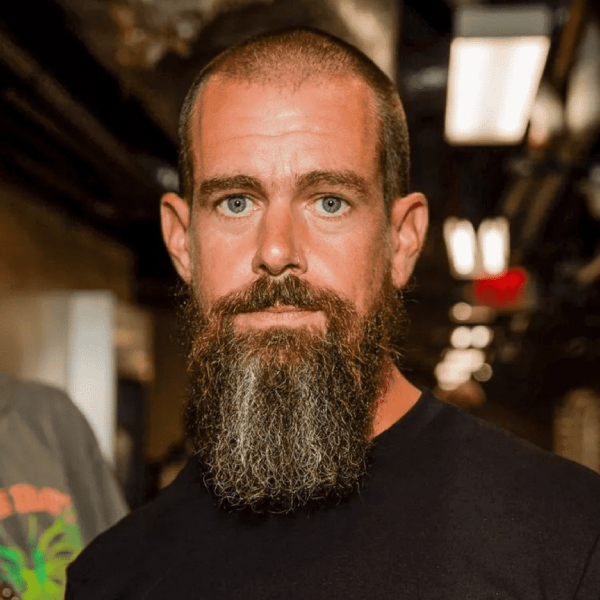
Jack Dorsey is bringing the Internet's most chaotic and cherished fever dream back. Resurrecting something that nearly for a decade was non-existent, Vine is making a comeback for a second run bringing an entire generation's inside jokes, early influencer culture and looping comedy.
One of the major platforms that made reel-making, goofy less than a minute skits and random comic sketches popular form of entertainment and engagement on social media, the return of Vine as a project, diVine, has been personally funded by Dorsey through his non-profit.
He is joined by Evan Henshaw-Plath, better known as Rabble, one of Twitter's earliest employees and together with him Dorsey is not only trying to bring the app back but also restoring a lost piece of Internet history.
At the launch, diVine is set to offer not only the nostalgia-driven features of the original app but also access to the original Vine archive—a treasure trove of tens of thousands of six-second clips that shaped early meme culture.
Many of these moments including "road work ahead", "what are thoossee!", "its an avocado, thanks", "I could have dropped my croissant" and in a way a generation's collective comic timing were all born out of the app, thus holding a special place.

Now, fans can revisit them in their native format, and creators will have the power to request takedowns of their old content if they choose. While diVine stays loyal to the iconic looping format, it’s stepping firmly into the present with modern tools and a clear, almost radical stance: no AI-generated content, period.
Rabble says the decision is a deliberate pushback against what he calls the “enshittification” of social platforms—a phenomenon writer Cory Doctorow popularised to explain how apps decay as they prioritise automation and profit over actual humans.
In a digital landscape where feeds feel increasingly synthetic, diVine aims to be a refuge, a human-first creative space, at a moment when that feels rare. And users seem ready. Early reactions online frame the platform as a much-needed safe zone from the rising tide of AI-assisted micro-content.
The timing helps. TikTok faces mounting political scrutiny, Instagram and YouTube are awash in machine-generated clips, and Elon Musk’s X is leaning heavily into AI video creation. Meanwhile, nostalgia for the messy charm of early-internet culture is peaking.
According to TechCrunch, after Twitter announced it was shutting down the short video app in 2016, its videos were backed up by a group called the Archive Team. This community archiving project is not affiliated with Archive.org but is rather a collective that works together to save Internet websites that are in danger of being lost.
So, diVine wants to bet on the past, on people and hopes that in 2025, six seconds is still enough to make the Internet laugh again.