
It’s only fitting that Salman Rushdie’s new work, The Eleventh Hour, is as much about mortality as it is about the life and times he’s lived. Death is everywhere, and Rushdie makes no bones about it. After surviving that brutal attack back in 2022, you’d think that’s not where he’d like to go, but Rushdie is as Rushdie, and he makes death his leitmotif and, might I say, writes the life out it.
The Eleventh Hour is the first piece of fiction he’s written since that horrid day in New York, and his second work post Knife. That book was bereft of his signature magic realism; this one makes good use of it. As a massive Rushdie fan, I’ve always detested calling anything his "signature" because a man of his genius must have many such signatures in his writing armour. But over the years I’ve come to understand—and this is strictly my own philosophising, mind you, for Sir Rushdie is yet to give me his audience, sadly—that magic realism isn’t a tool he uses, but his way to take you along for the ride. A magic carpet, maybe? But I digress. Though you get it, I’m sure. As will Rushdie, should this "review" find its way to him. A man can wish, after all.
Five stories set across three countries—India, UK and USA. Each of these great nations hold much significance in his life, and it’s reflective in both the setting and the characters in each of them. You’ll have fun finding easter eggs—each story houses something or the other from Rushdie’s life, work or both. "The Musician of Kahani", for instance, is set in India and is about a protagonist who was born at midnight, “the approved hour for miraculous births in our part of the world” as Rushdie writes. It’s one of my favourites in the book. As is "The Old Man in the Piazza".
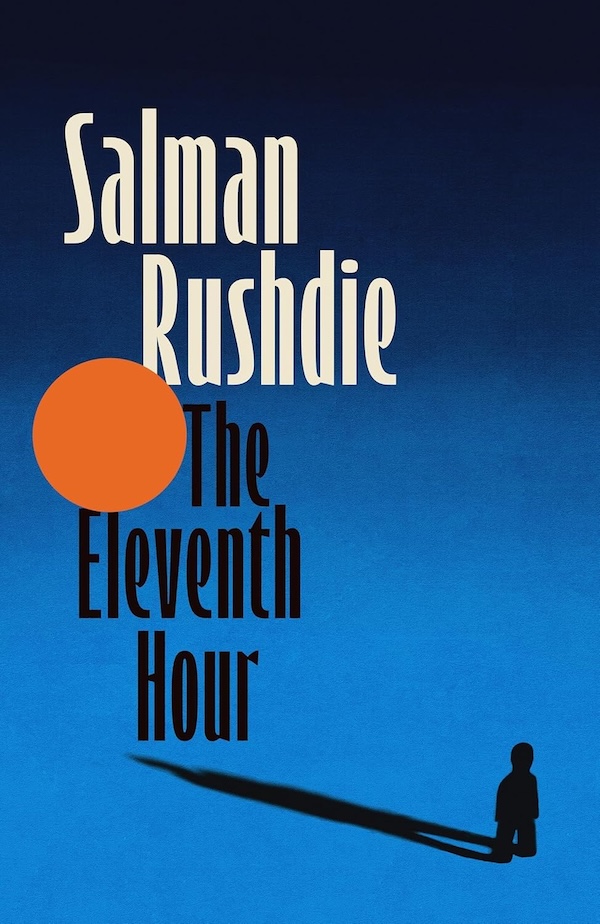
Some of them stay with you longer than the others, which isn’t a bad thing because you can’t expect each story to hit you with the same force of emotion, the same whiff of intoxication. A true writer rarely cares much about his readers at the time of his writing—he pours the words out as they cook in his mind. Will the dish be palatable? That’s an afterthought. I’m no one to critique Rushdie’s writing though. I’m an outright fan who lapped up every word of his new book.
Like I’ve said, death looms large over all of them. The first and fifth story are both about old men as well. Yet, there’s enough and more life in all of them for you to enjoy. Think about even. Not necessarily your own morality but Rushdie’s. Is that what he’s wanted all along? I can’t be sure. He did call himself a dead man in Joseph Anton (2012), remember? A memoir that some found "too long" and "too much about celebrity". What do these people know, I remember thinking back then. Rushdie, of course, didn’t care much. But in a world of fatwas and fascism, the fact that wordsmiths like him are still around and writing is certainly a cause worth celebrating. The Eleventh Hour is that celebration, at least that’s how I read it cover to cover.