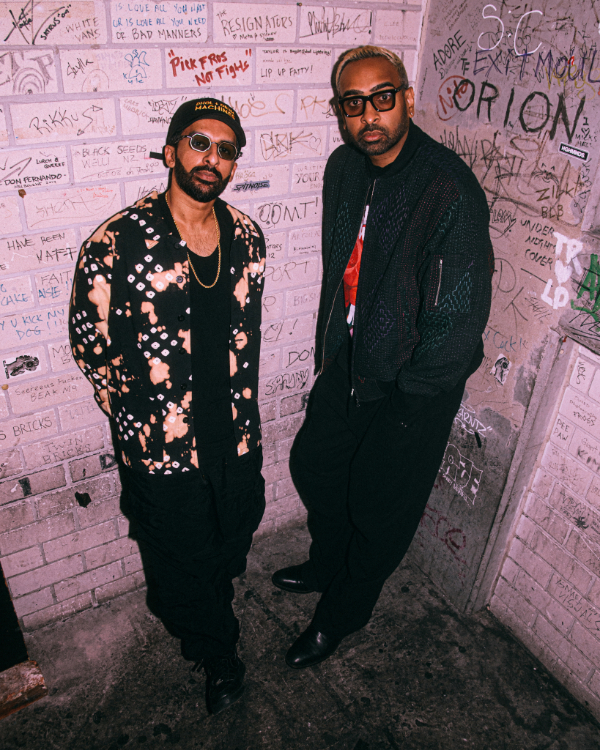
Music has always been around through generations. However, in the past decade, we have seen a striking shift in who gets to define the soundscape. The faces and voices driving music forward are no longer tied to a narrow narrative of Western experimentations. Instead, diaspora artists are creating their own genre of sound and community, rooted in cultural memory yet being entirely future-facing.
One of the clearest examples of this shift is Indo Warehouse. Founded by Armaan Gupta and Kunal Merchant, the collective has become synonymous with a sound that fuses South Asian rhythms with electronic elements. For many, it is more than just the music. The collective represents the balancing act of living between cultures yet finding their own way of showcasing it; where tabla patterns or classical ragas fold into hypnotic beats designed for a global dance floor.

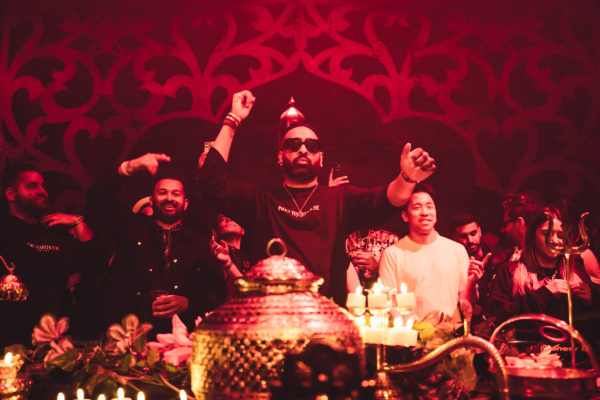
What began as small gatherings in New York has grown into a movement that now stretches across continents. Indo Warehouse is no longer confined to the underground; it is claiming its place on some of the biggest stages in the world. For many in the diaspora, music is a way of reconciling split identities, folding childhood memories into present-day realities. By blending South Asian instruments and rhythms with house, electronic, and techno, Gupta and Merchant are making something that mirrors the experience of being in between cultures.
This momentum is not confined to New York or London. Across Asia, artists are threading in similar stories. In Singapore, Tamil rapper Yung Raja is a vivid example of what happens when heritage and modernity collide on the mic. By weaving diaspora themes directly into his music, he shows that authenticity resonates more than conformity. His presence in the region also proves that diaspora music is not only an export shaped abroad, but a dialogue happening at home, in the very place where cultures meet daily.
Decades since, experimental music and culture have been framed through the lens of white artists, celebrated as the pioneers of boundary-breaking. This framing overlooks the long history of artists of colour who have been reworking soundscapes for generations. The foundation of modern music has always been written by those who lived outside the mainstream like Jazz, reggae, hip hop, funk, to name a few.
What feels different now is visibility. Platforms, collectives, and a global audience are more attuned to stories of heritage and migration, making space for artists who refuse to compromise their identity in pursuit of recognition. And perhaps that is the most exciting part; the sense that music is moving in step with a more inclusive understanding of creativity, one where identity and innovation are inseparable.
The rise of diaspora voices does not mean the work is finished. The industry still tilts towards Western recognition as the ultimate validation, and structural inequalities remain deeply embedded. Yet the presence of artists like Kahani, Merchant, Yung Raja and others makes it harder to ignore that the map of global music is changing.