
If anyone’s still following along, welcome back. Nothing much has changed since last month. I’m still waiting to hear back from ICA about my citizenship appeal. But in the meantime, the wait has given me space to think more deeply about what citizenship actually means, beyond the forms and documents.
Of course, like any life decision, becoming a citizen comes with trade-offs. And it would be naive to romanticise the process entirely. There are policies to navigate and obligations to consider. For male applicants, National Service is an inevitable part of the conversation. For others, it’s the reality of renouncing a previous citizenship. But the pros, at least for someone in my position, do outweigh the cons. As a citizen, you gain access to more affordable housing, greater career mobility in certain sectors, and full CPF benefits. You also, gain a say, however small, in the direction the country is heading. You become a participant in the national conversation, not just a bystander.
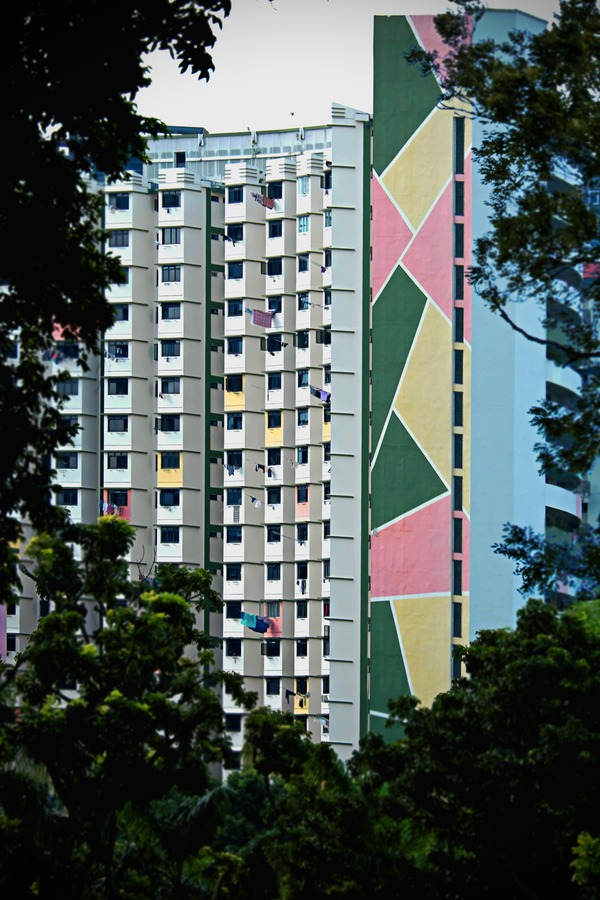
Then there’s the intangible gain, a peace of mind. The relief of knowing you won’t have to re-apply, renew, or justify your presence here every few years. That you can lay down roots and grow with the country, not just alongside it. That said, I do think we need to talk more openly about the emotional costs of becoming a citizen.
There’s a tendency, I’ve noticed, to draw a line between those who were born here and those who weren’t. As if nativity grants authenticity, and migration dilutes it. But identity doesn’t work that way. Singapore is, and always has been, a nation built by movement; by people arriving from elsewhere, bringing with them their languages, cuisines, and contradictions.
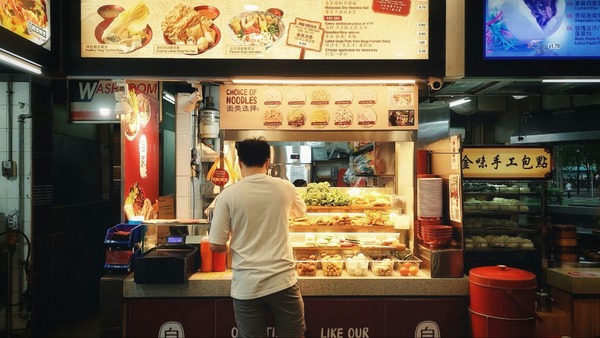
And yet, it persists. In hawker centre conversations or job interviews where your name or accent is subtly questioned. It shows up in the form of microaggressions, side-eyes, and the ever loaded question: “Where are you really from?” To become a citizen, then, is not just to apply and be approved. It is to constantly negotiate your place within a nation that values diversity but also prizes conformity. It is to learn which parts of yourself to mute in certain settings.
Nevertheless, citizenship is never just a transaction (at least, it shouldn’t be). It’s also a question of allegiance, of history, of who you are and who you’re becoming. And that’s where things get a little more complicated. I still carry my birth country’s passport. It’s where my grandparents live, where my mother tongue is spoken without self-consciousness. Letting go of that, even partially, feels like loosening a tether to the person I once was. It’s not just about gaining a new nationality, but about reconciling with the fact that identity is layered and rarely clear-cut.
Lee Hsien Loong once said, “Immigration is essential—even existential—for Singapore’s survival.” The truth is, most migrants live in quiet duality. We carry more than just belongings when we move; we carry former selves, languages, smells of old kitchens, lullabies half forgotten, and so much more. These fragments travel with us, stitched imperfectly into the fabric of our present lives. And while we may grow fluent in new customs, forge new friendships, and even adopt new dreams, the past never fully loosens its grip.
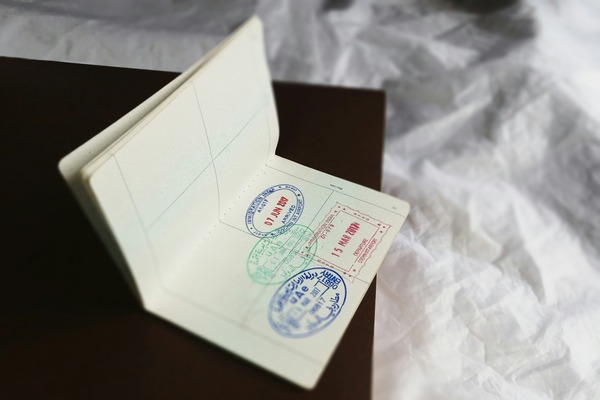
It’s a familiar ache for many who’ve crossed borders, where belonging is conditional, measured not just by legal status, but by how well you fit an imagined mould. Citizenship may open doors, but it doesn’t always close the gap between being accepted on paper and feeling accepted in spirit. For those who straddle identities, home becomes something you carry within, not something you’re always handed.
For most Singaporeans, citizenship is inherited. It comes bundled with birth certificates and pink ICs, a default setting. But for the rest of us, it is a conscious decision, a leap of faith, really. You’re choosing to tie your future to a place that may never quite see you as its own, not in the way it does those who were born and bred within its borders. And yet, perhaps that is what makes the bond all the more profound. Because when something isn’t handed to you, but pursued, it carries a different kind of weight. It’s more like, ‘You haven’t simply received it, you’ve earned it.’
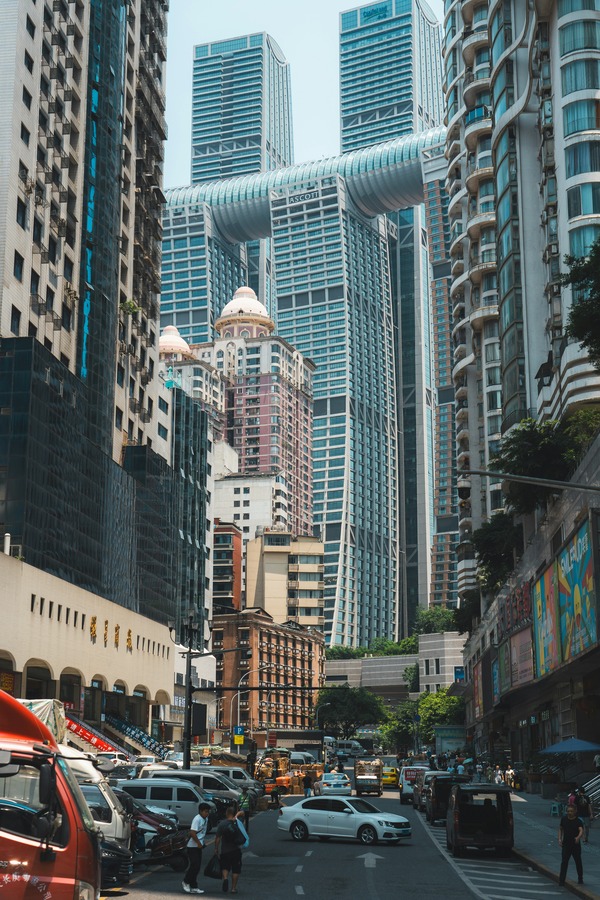
It would be disingenuous to ignore the privilege embedded in the ability to apply at all. Many don’t get the chance. Others, despite living here for decades, remain in limbo. Singapore doesn’t grant citizenship easily, nor should it. But that doesn’t make the process any less fraught with questions of worth, of identity, of acceptance. For some, becoming Singaporean may feel like arriving. For others, it might feel like a compromise, giving up one version of self to fit into another. But I think it’s less about abandoning where you came from, and more about weaving that past into a present you’re choosing. After all, Singapore itself is a patchwork of different languages, legacies, and lineages.
Alas, I’m reminded that no piece of paper can fully capture the complexity of what it means to belong. But some documents do help. They open doors and grant rights. If Singapore accepts me as one of its own, I’ll be grateful. But even if it doesn’t, I know I’ve already become something of a local (at least in spirit).